A Local’s Guide to Riding in Australia
Riding in Australia is far more varied than postcard clichés suggest. Beyond the beachfront many people instinctively think of, there lies a vast continent of terrain you might not expect: rolling vineyards, deep desert interiors and even sinuous alpine climbs.
Whether you are a local looking for a new weekend route or a visitor looking to experience the continent as the locals do, this is an insider's guide to the finest terrain in Australia, on the ground, from the people who ride it every week.
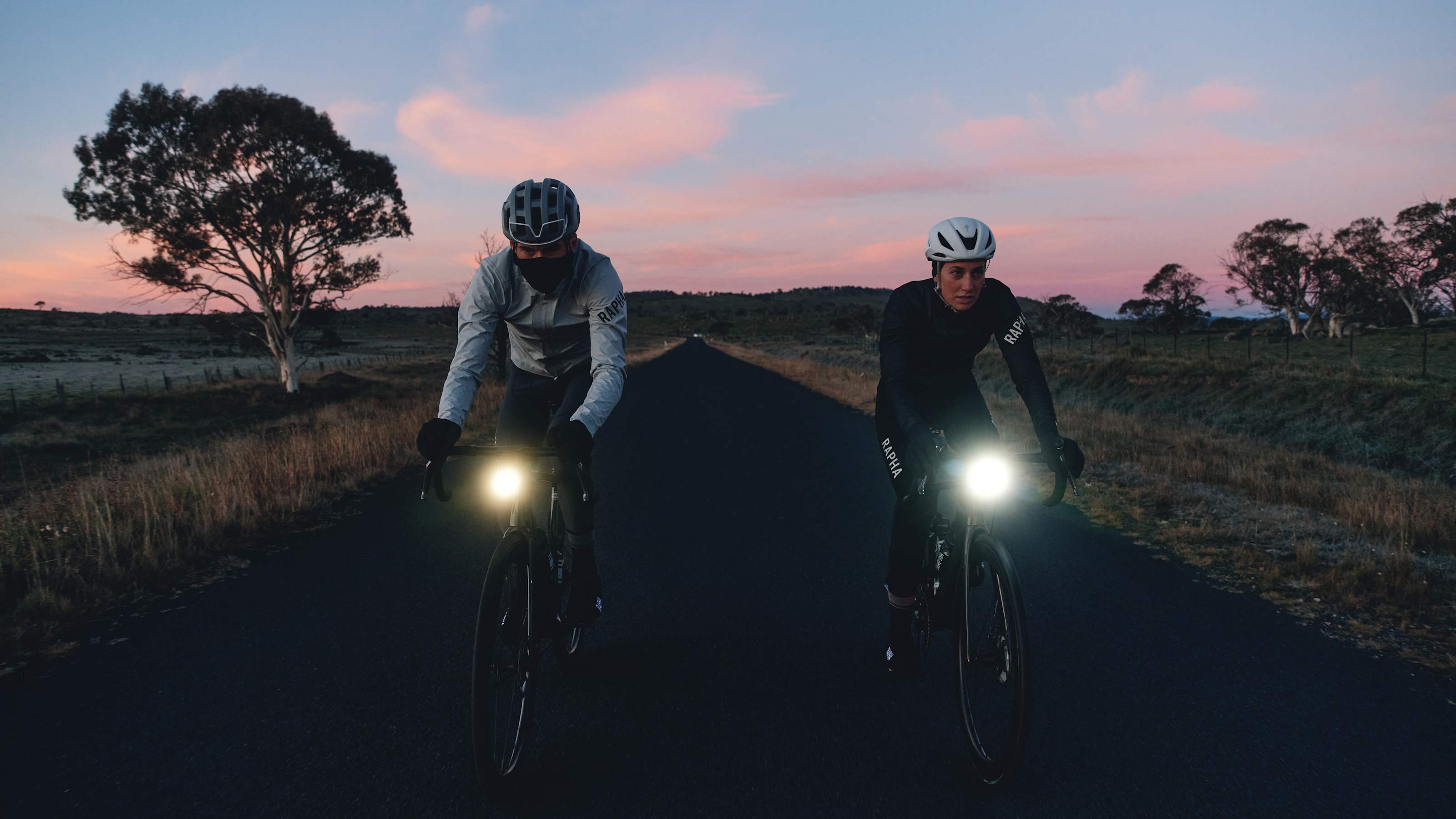
New South Wales
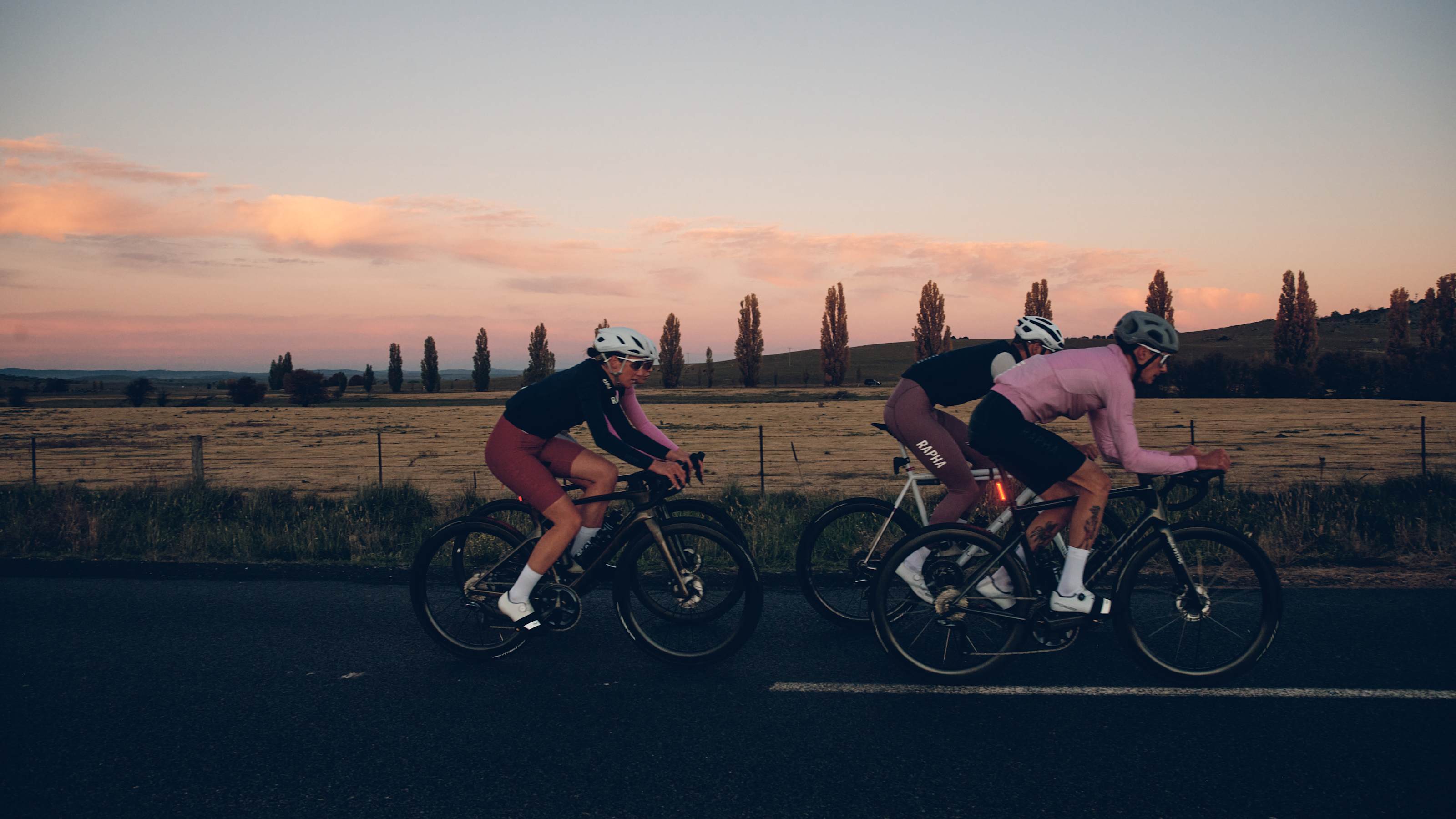
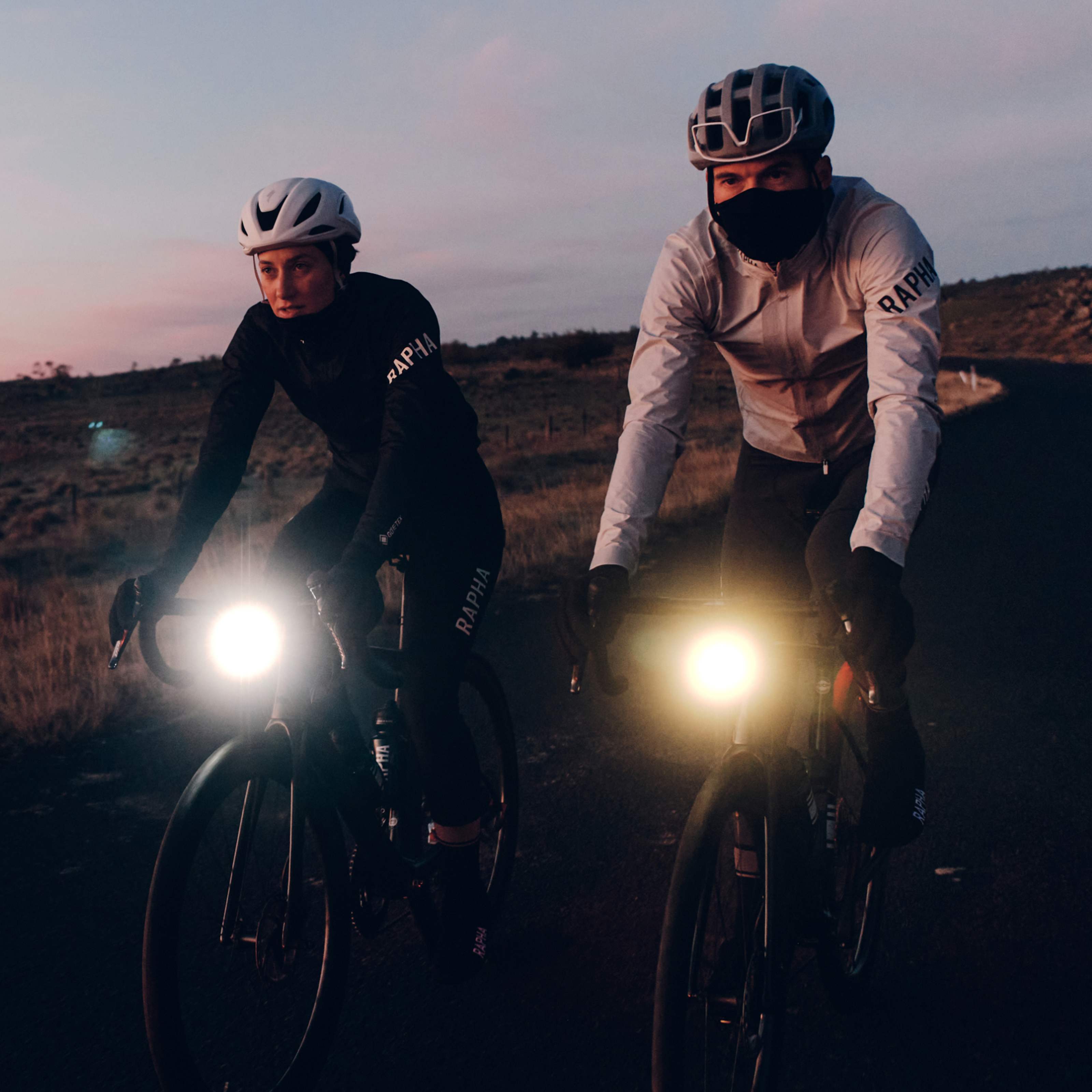
If you are riding in New South Wales, and Sydney specifically, the first thing to understand is the clock. Local ‘bunchies’ roll out at 6:00 am. Departing any later means battling peak traffic, turning a smooth ride into a stop-start commute. While Sydney possesses a growing network of cycle paths, established group rides generally stick to the road. The paths are often shared with pedestrians and recreational commuters; on the tarmac, the pace remains steady and predictable.
Local Loops
In the City: For those short on time, Centennial Park offers a smooth, uninterrupted 3.7km loop in the heart of the city for early interval work. To the east, the run out to La Perouse provides sweeping harbour views before the morning rush begins.
The Harbour Divide: A quiet rule of cycling in Sydney — riders based south of the Harbour Bridge rarely head north during the working week. People tend to stick to their side of the water until the weekend allows for longer hours in the saddle.
Heading South: Royal National Park and Wollongong
When Saturday arrives, local riders face a choice: head north into the national parks or go south toward Wollongong. RNP offers a few options for rides, with some pretty nice climbs and access to beaches if you're that way inclined. Ride further south and you can get to the 'Gong, home to Mt Keira, a local staple.
Riding south from the city centre requires navigating a short stretch of highway and the airport tunnel. The surface here can be unforgiving, with deep potholes requiring sharp attention, but it remains the most direct connector to the coast.
Once clear of the urban fringe, the roads open up:
Royal National Park: A network of punchy climbs cutting through dense eucalyptus bushland, leading down to quiet ocean beaches.
Bald Hill and Sea Cliff Bridge: A dramatic stretch of tarmac suspended directly over the ocean, offering uninterrupted views on the approach to Wollongong.
Mt Keira: A sustained 7km climb gaining over 420m of elevation — a central feature of the 2022 UCI Road World Championships course.
Heading North: Gorges, Ferries and Long Mileage
Crossing the Harbour Bridge to the north unlocks plenty of varied national park riding. The classic benchmark route is 3 Gorges, a challenging loop that tackles the climbs and descents of Galston, Berowra, and Bobbin Head. Uniquely, two of these gorges require a short cable-ferry crossing mid-ride, offering a brief moment to reset before the next ascent.
Escaping the City
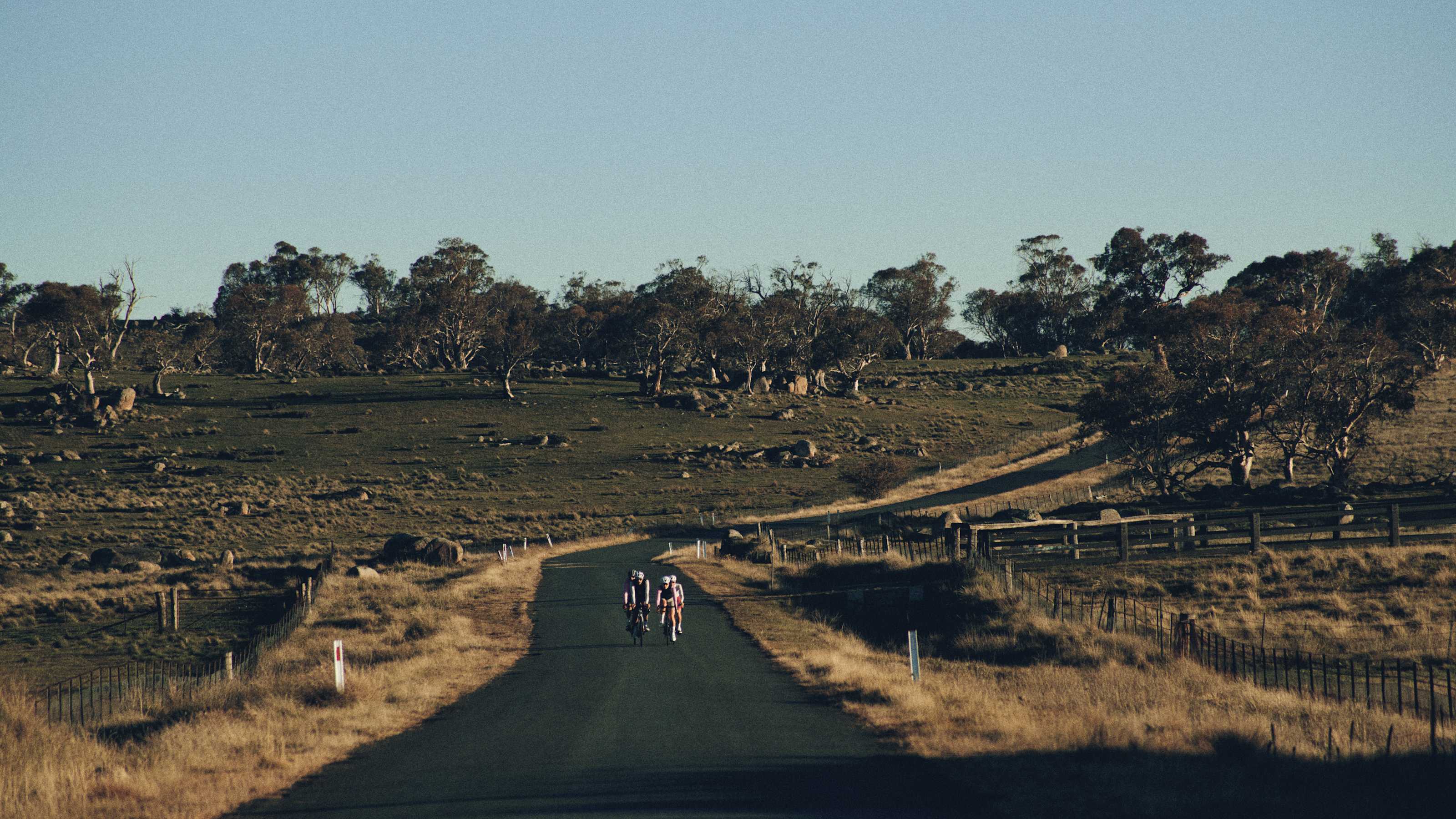
Southern Highlands: Catching a train to Wollongong and riding inland brings you into the Southern Highlands, a landscape of quiet back roads, sweeping farmlands, and long, steady climbs.
The Blue Mountains: Defined by relentless undulations, hard surfaces, and dramatic sandstone escarpments.
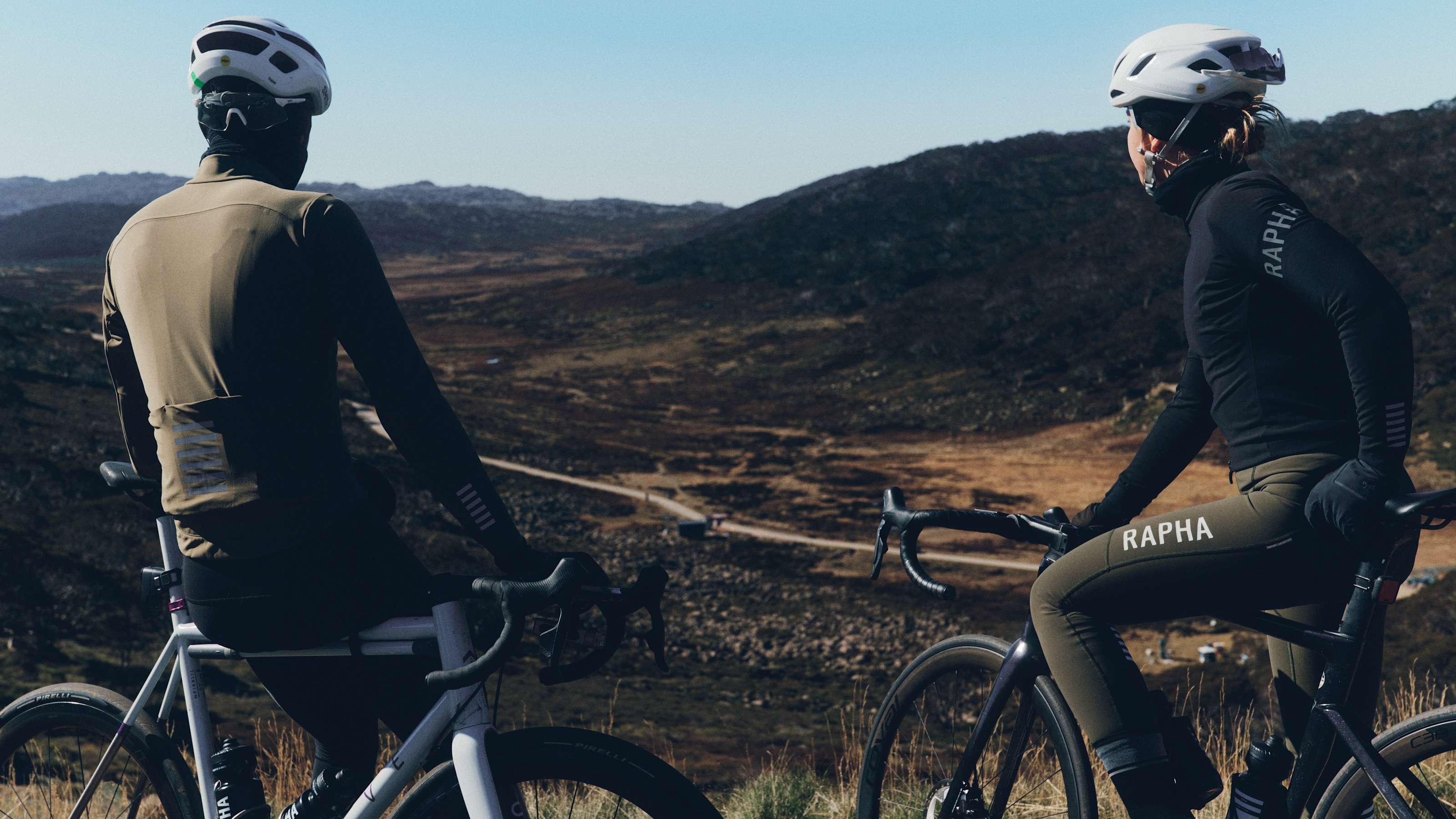
The Snowy Mountains: Located a six-hour drive south of Sydney, the Snowies host Australia's highest paved roads. Expect true alpine landscapes, sweeping vistas, and sustained high-altitude climbing.
Recommended Kit
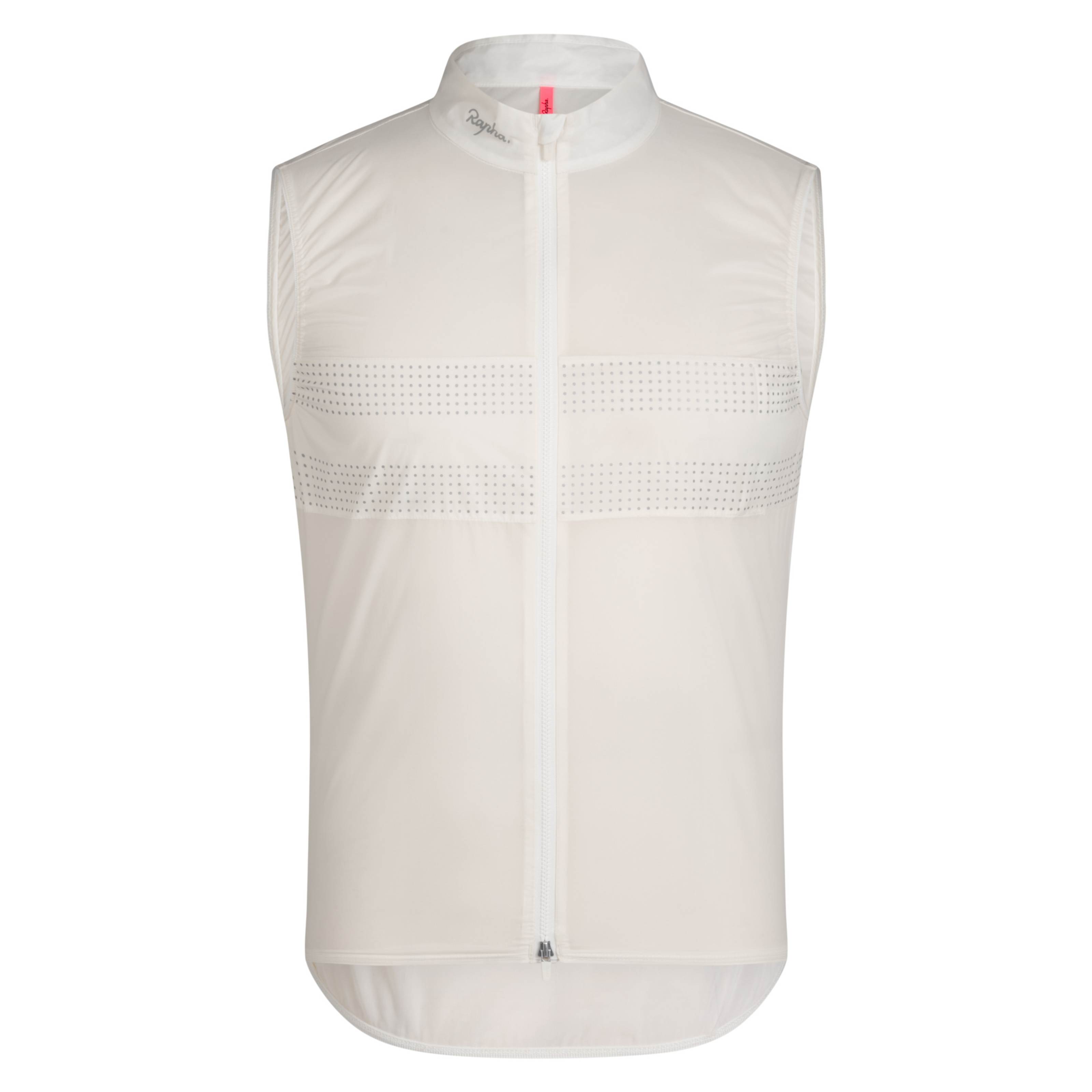
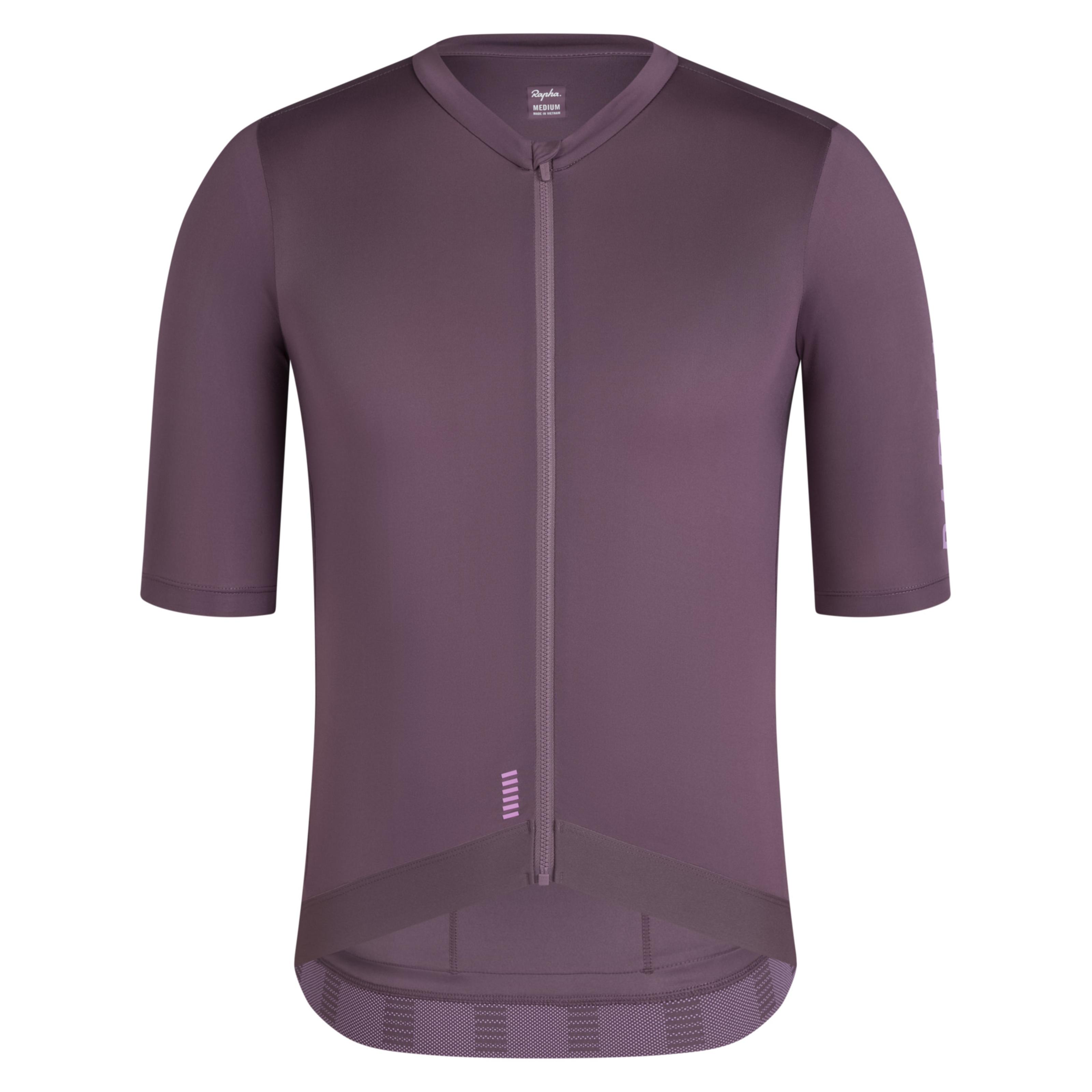
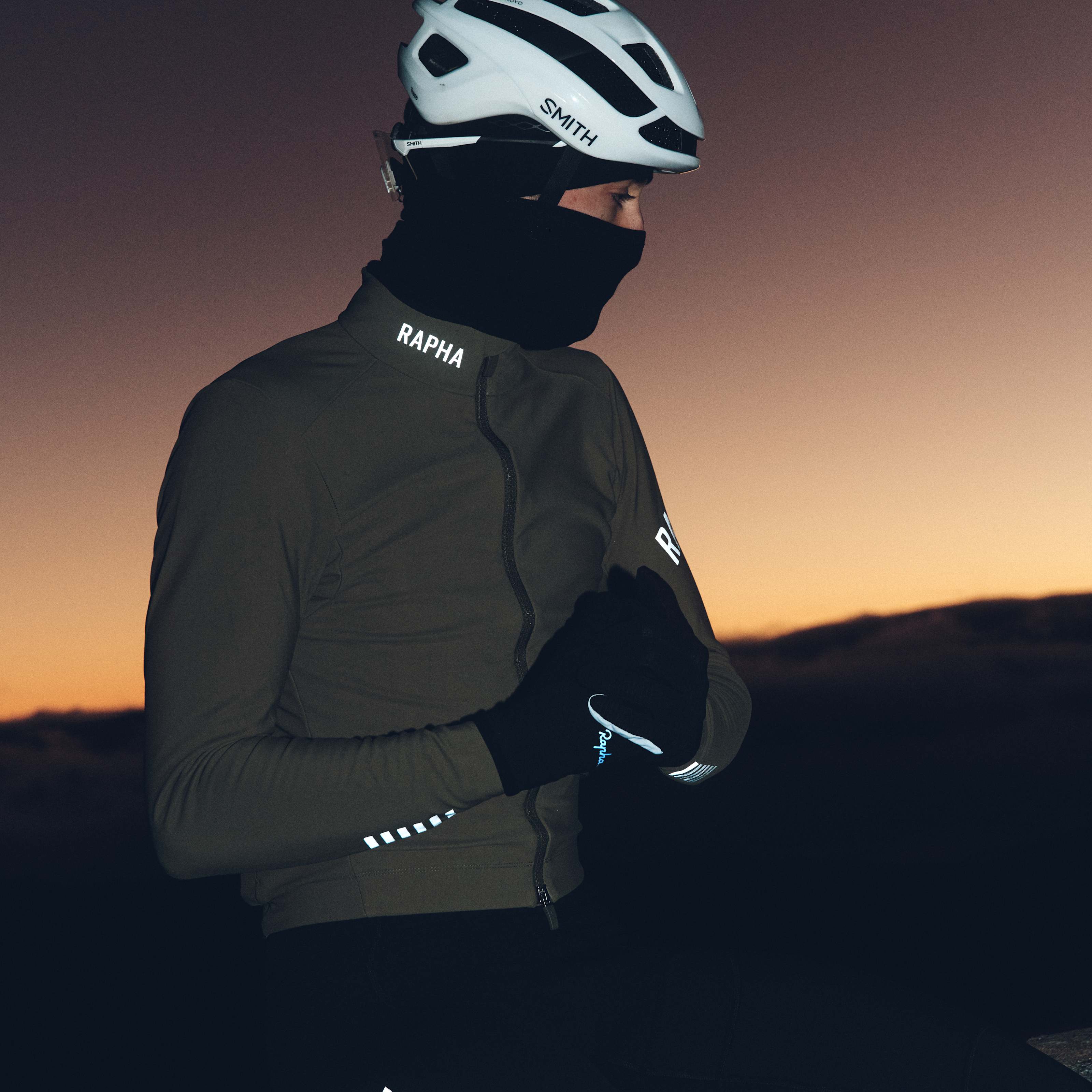
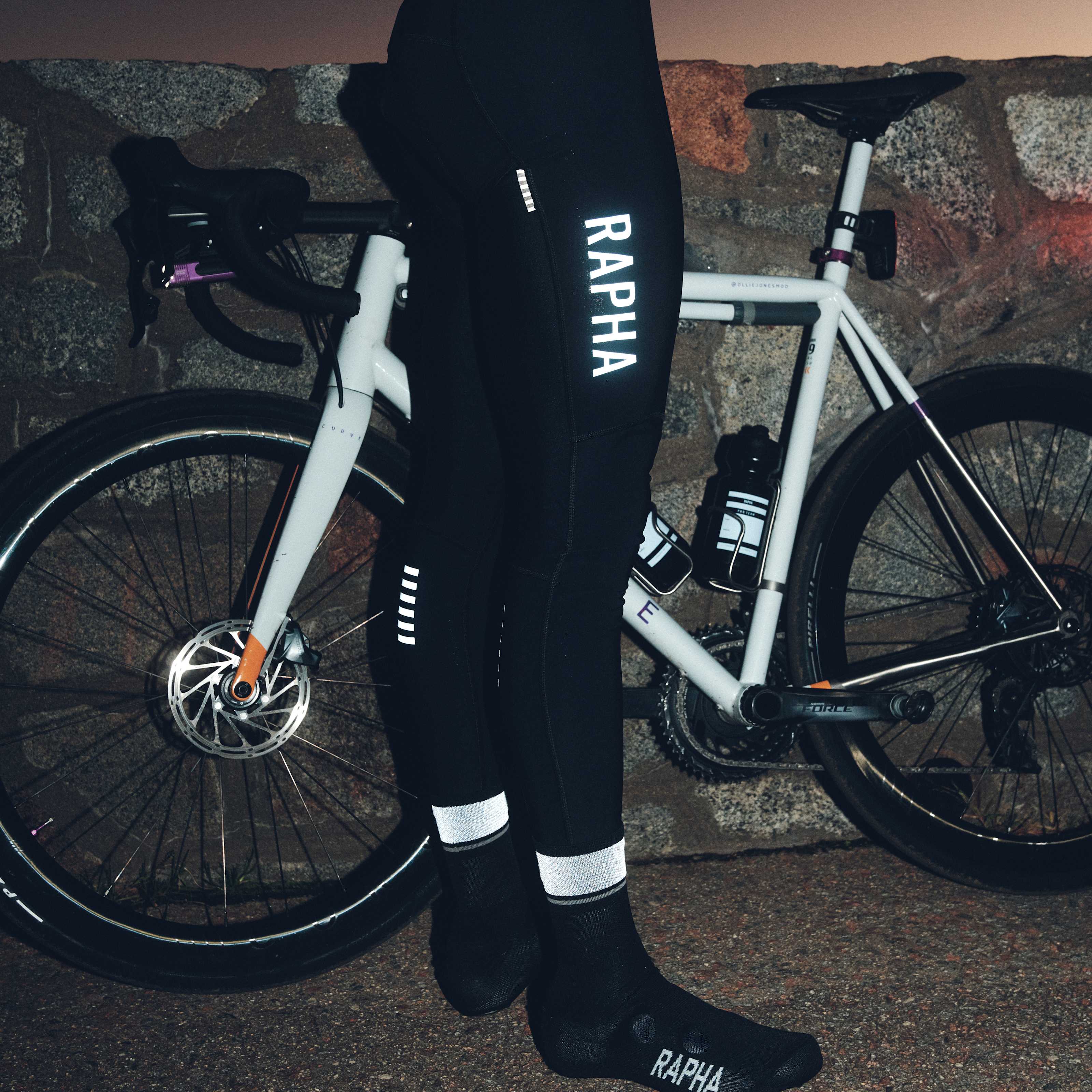
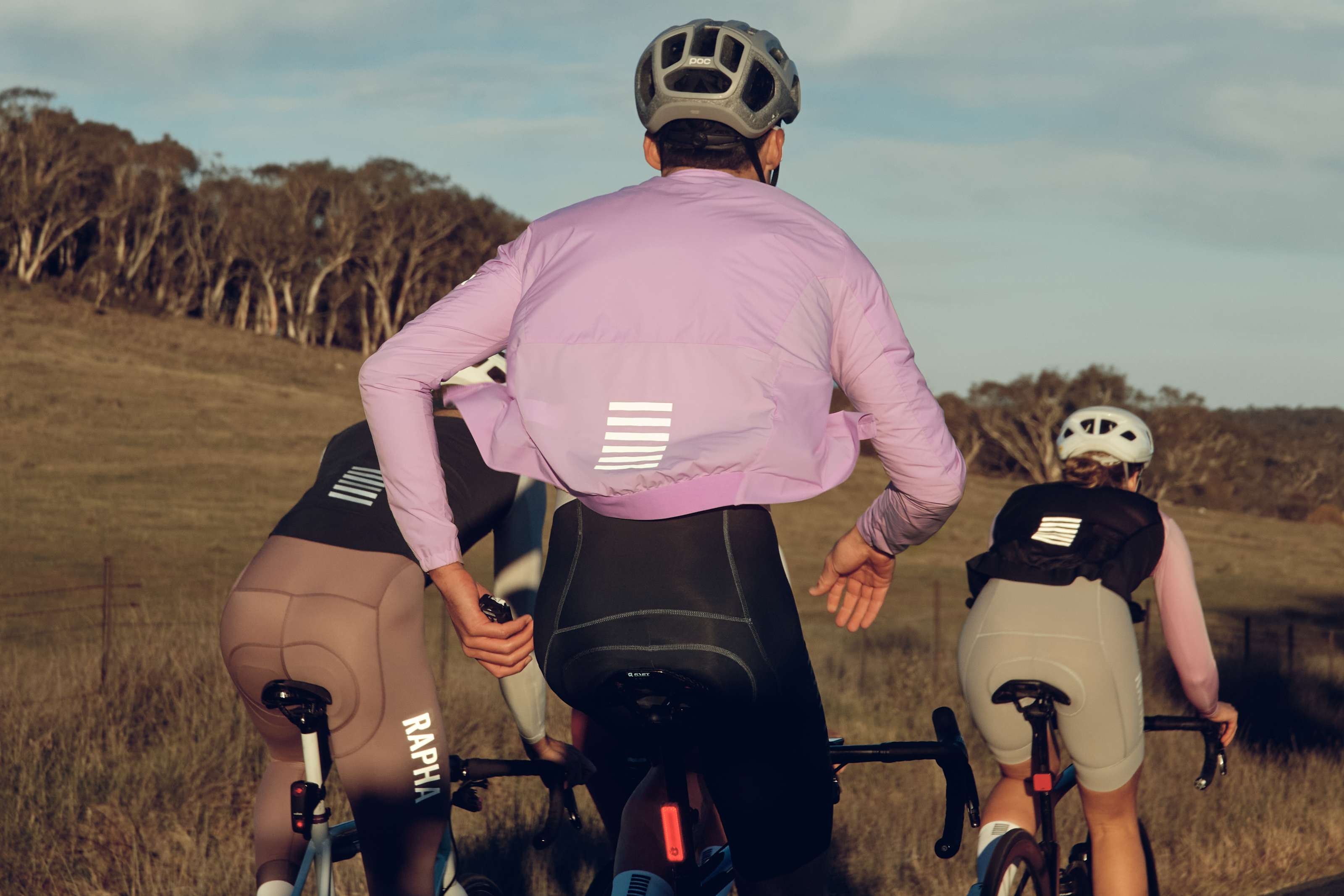
Cooler 6:00 am starts with the potential for quick temperature increases and high UV exposure by mid-morning. Lightweight jerseys, high-wicking mesh baselayers and waterproof gilets/jackets for passing showers.


Victoria
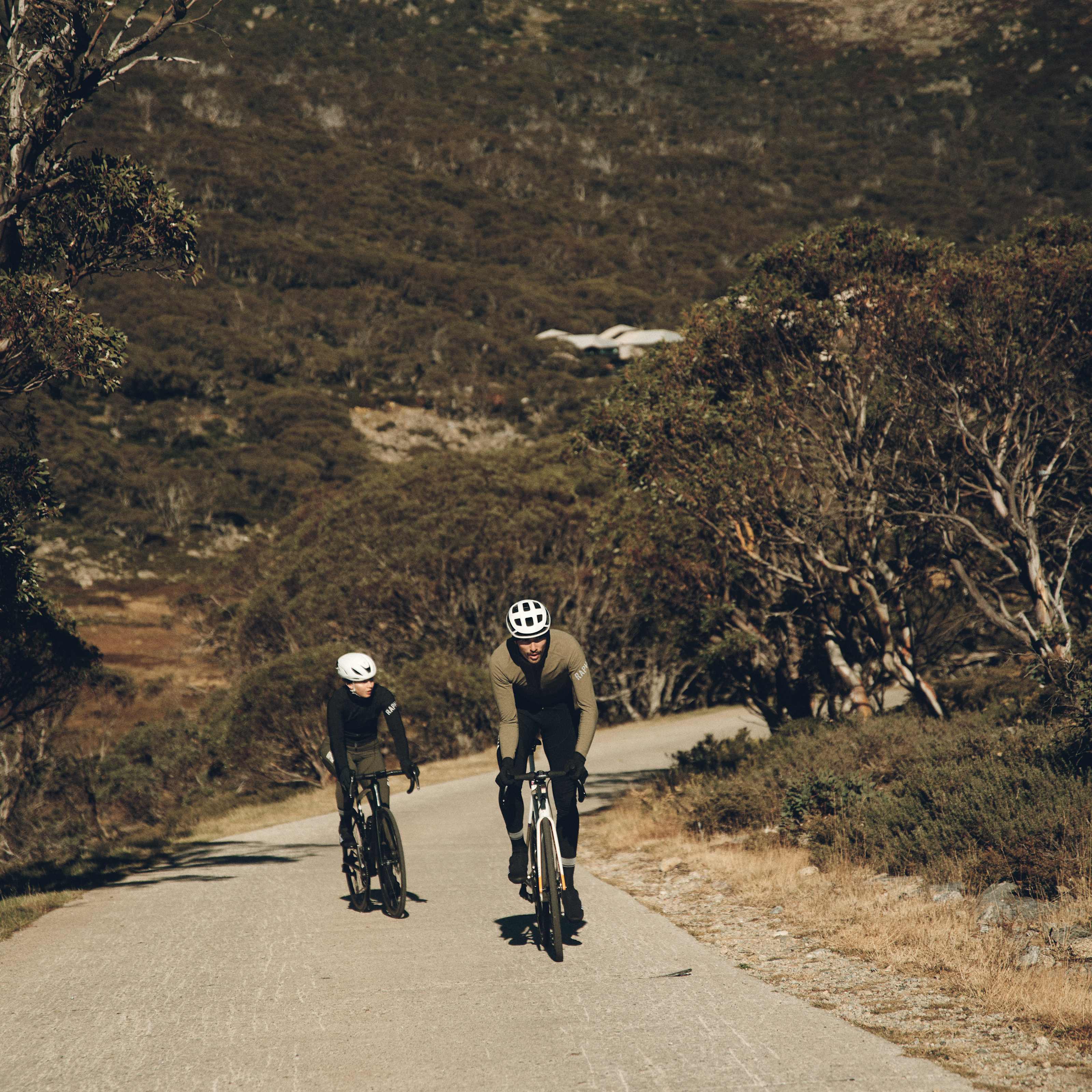
Victoria is widely considered the beating heart of Australian cycling culture. It is a state where you can join a fast, flat bunch ride along the Port Phillip bay one day and be surrounded by 2000m mountains the next.
Mount Hotham
When local riders seek serious climbing, they look toward the Victorian Alps, a region of world-class terrain that remains criminally underrated outside of Australia.
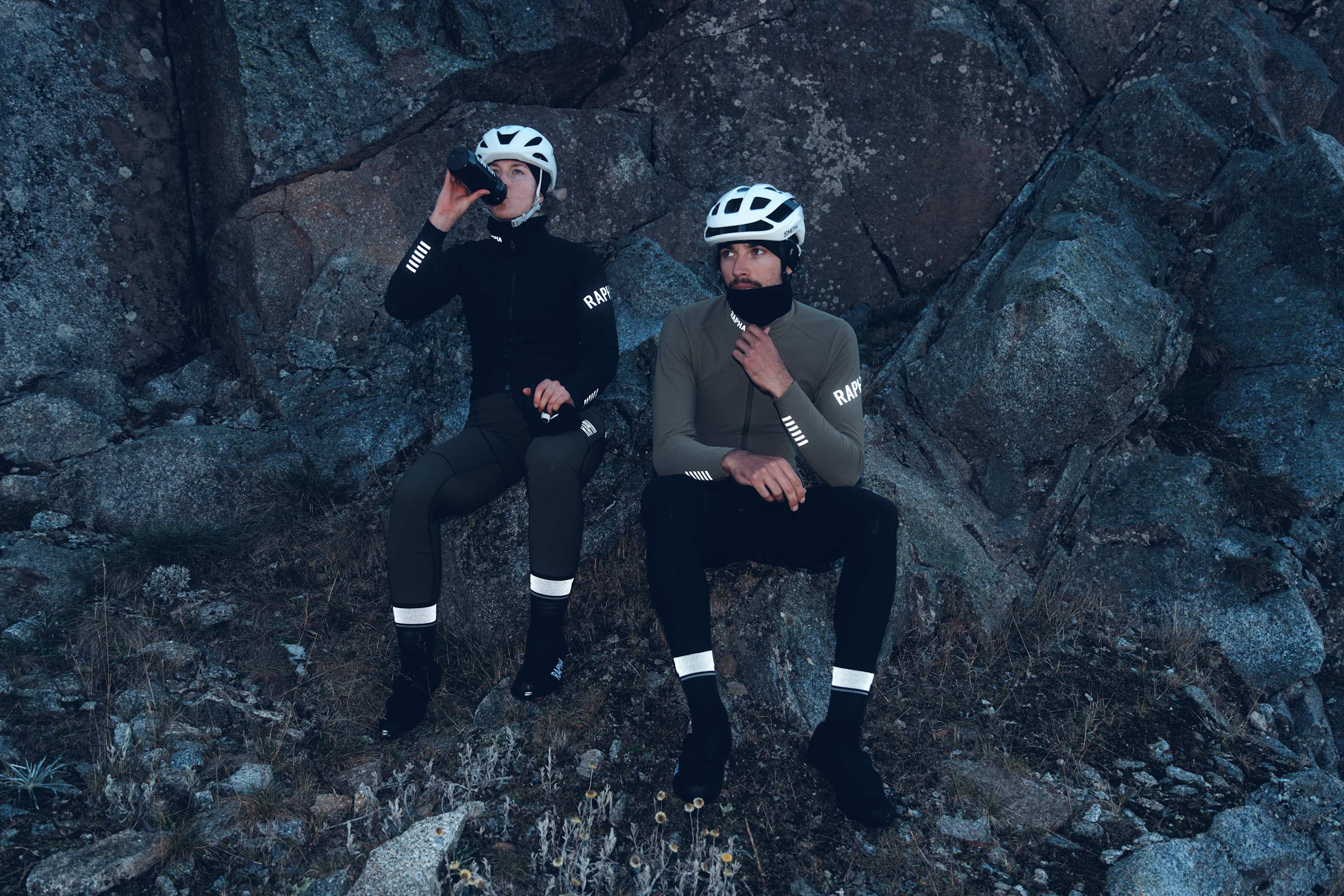
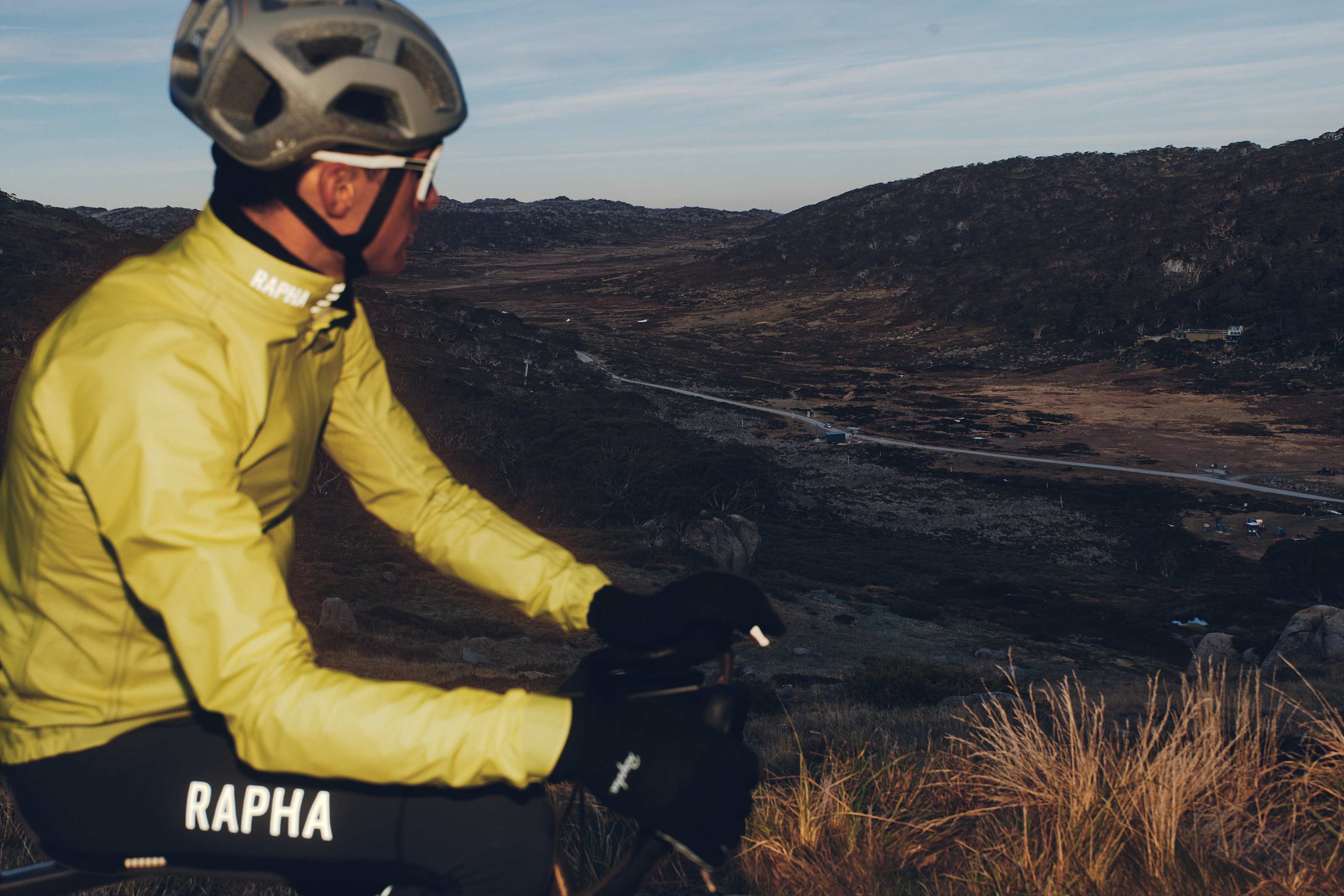
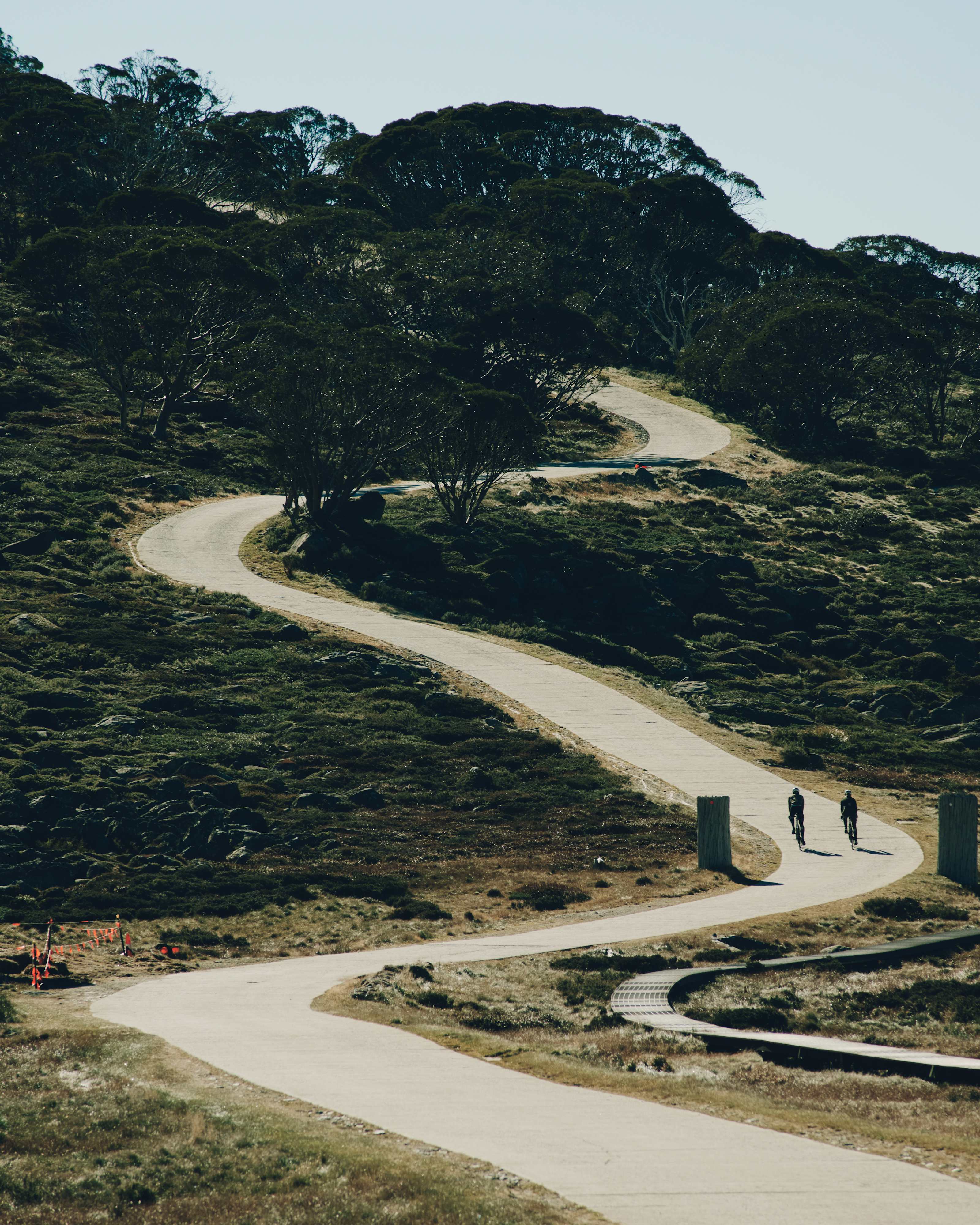
The Ascent: The climb up Mount Hotham is a 30km, highly exposed effort; it can get very blustery. Starting down in the eucalyptus-scented valleys, the road snakes upward until you break through the tree line, finishing among the stark, exposed ridge lines of the high country.
Grassroots Racing: The region is home to the Tour of Bright, one of the most respected and fiercely contested stage races on the domestic calendar. It is a proving ground where local amateurs test themselves alongside national-level talent.
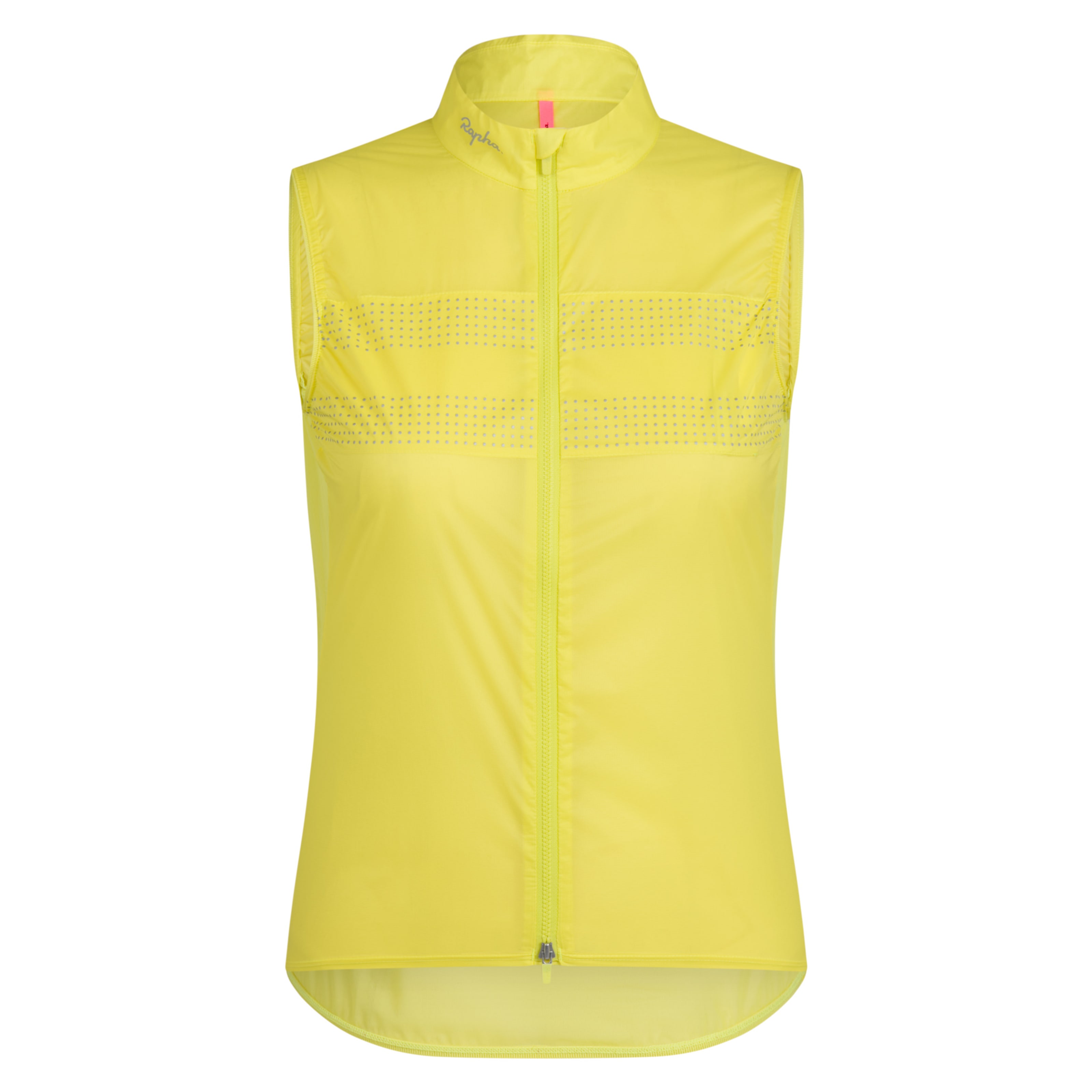
Pack Carefully: The microclimate in the Alps demands respect. You can easily overheat on the long, sun-drenched ascent, only to face freezing temperatures on the 30km descent back to the valley floor. A lightweight, highly breathable mesh baselayer paired with a packable, windproof gilet or jacket is an essential kit for the high country.
Melbourne CBD and Off-Road Connections
Yarra River Gravel: You do not need to travel hours from the city centre to find quality dirt. Melbourne’s trail network allows riders to transition seamlessly from urban pavement onto the gravel paths following the Yarra River, weaving out of the CBD into quiet, wooded corridors.
Beach Road: The famous coastal strip running along Port Phillip Bay toward Frankston and Sorrento beyond. Flat, fast and exposed to coastal winds, it is a Melbourne institution where large bunches like ‘The Hell Ride’ roll from first light.
Recommended Kit
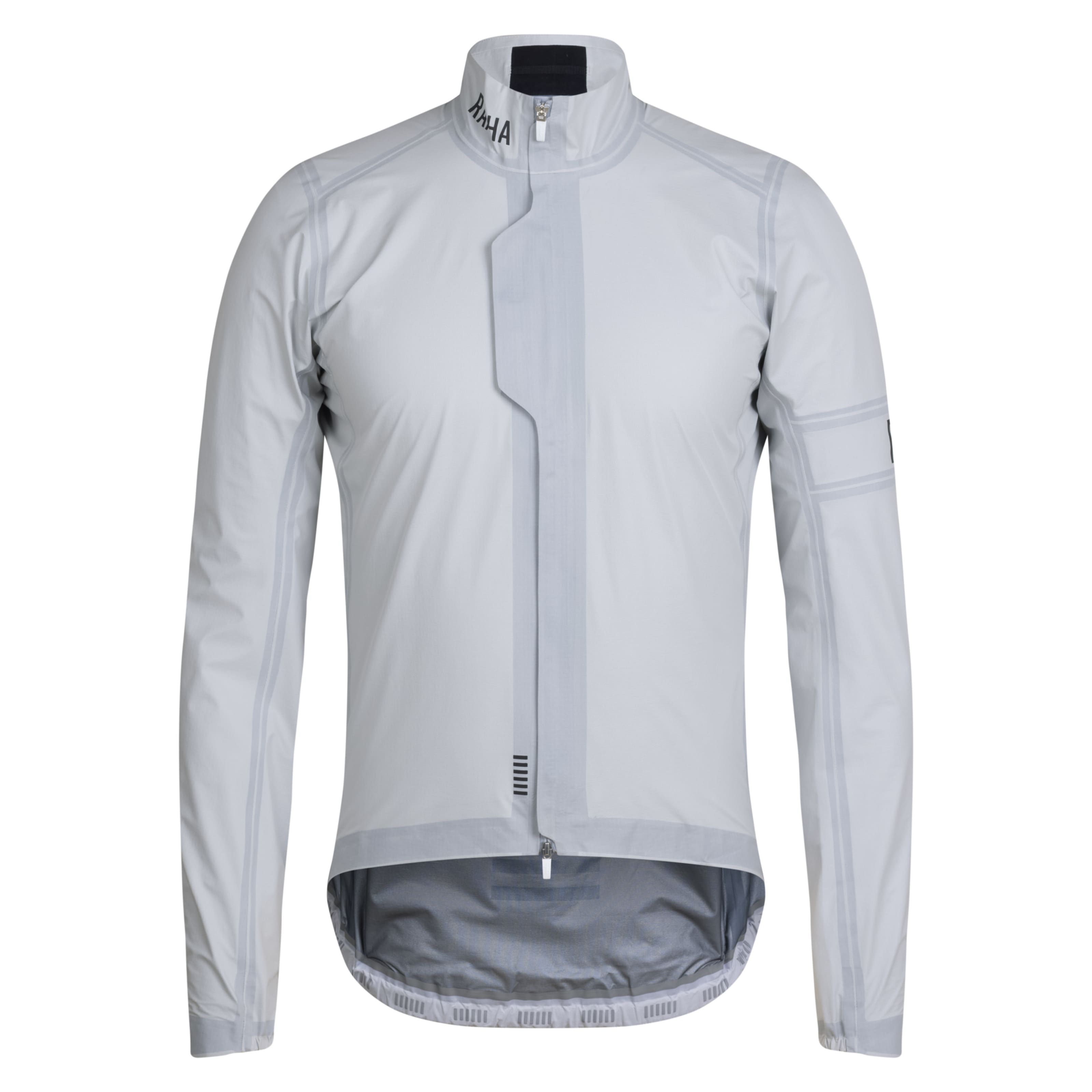
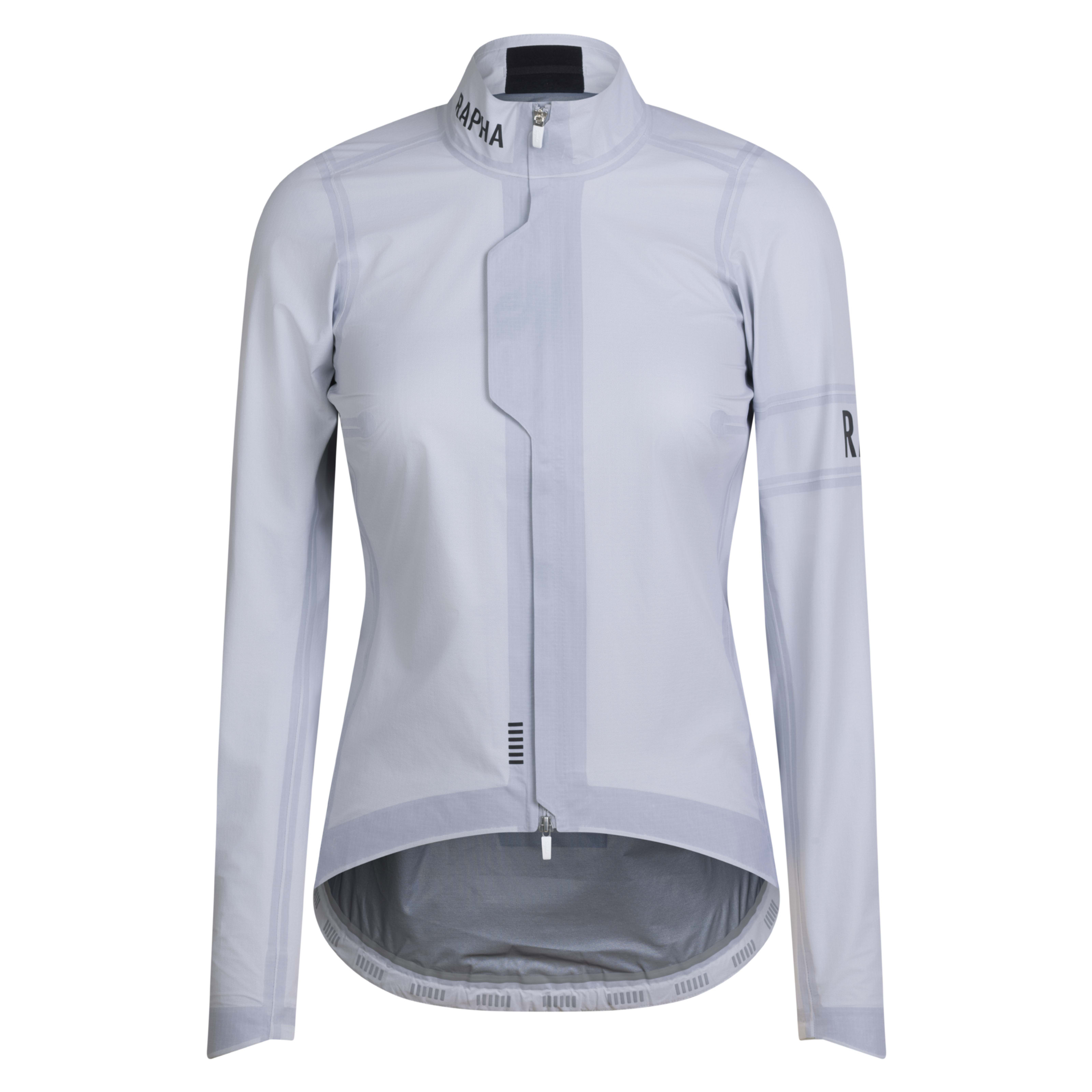
High thermal output on long climbs; cold, high-speed descents that can last up to half an hour or more. Packable windproof gilets, packable rain shells and thermal arm warmers.
South Australia
Adelaide is uniquely suited to life on two wheels and has been host to Australia's premiere race, the Tour Down Under, since the 90s. The city’s grid layout means you can roll out of a central hotel and tackle 10% gradients in the Adelaide Hills within ten minutes.
Old Willunga Hill
Made famous by the Tour Down Under, the Southern Hemisphere's premier WorldTour event, Old Willunga Hill is a mandatory set piece for any visiting cyclist. At 3km with an average gradient of 7%, it is short, punchy and demands an explosive effort right from the foot.
Off-Road Wine Country
Beyond the tarmac of the Adelaide Hills, the terrain softens into the rolling vineyards of the McLaren Vale and Barossa regions. Here, networks of unpaved sector roads connect the estates. It is ideal terrain for all-road setups and wider tyres, allowing riders to link steep road climbs directly into fast, sweeping dirt sectors away from traffic.
Recommended Kit
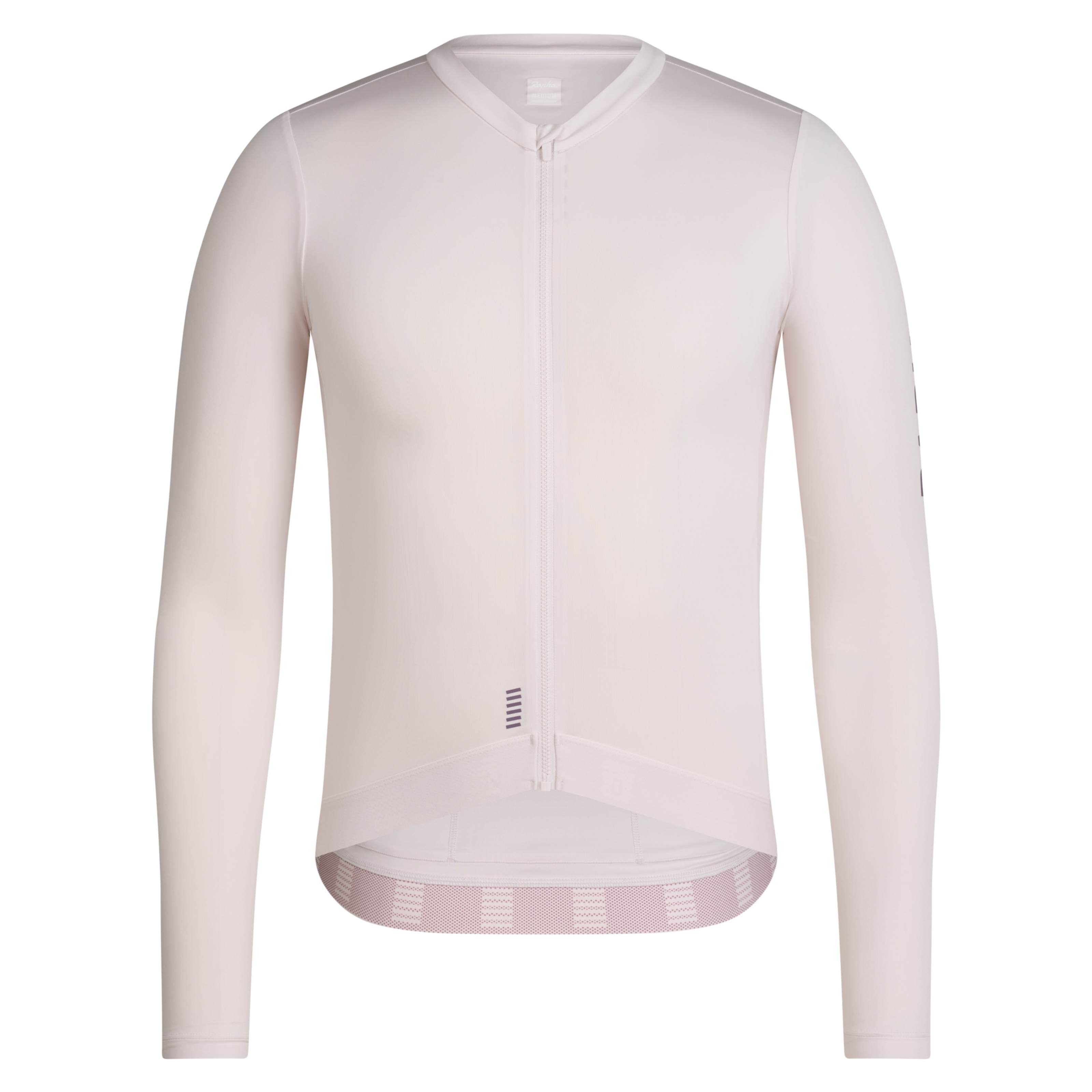
Dry, intense heat on short, steep gradients during peak summer months. Jerseys and bib shorts with maximum ventilation, and a lightweight wind jacket for any cooler days.


Tasmania
Isolated from the mainland by the wild Bass Strait, Tasmania offers a stark, wild landscape. The roads here are quiet, rugged and very atmospheric, rewarding riders who pack for the region’s unpredictable weather.
Mount Wellington / Kunanyi
Rising directly behind the city of Hobart, Mount Wellington presents a formidable 18km ascent gaining over 1,200m of elevation. Starting at sea level, the road winds through temperate rainforest before emerging onto an exposed, sub-alpine summit that is frequently shrouded in ice or gale-force winds.
The Western Explorer Highway
For those in search of something very distant, the western half of Tasmania gets very quiet, very quickly. This remote 120km off-road route cuts through the Tarkine wilderness in North-West Tasmania. Remote, brutally gravelled and sparsely populated, it demands diligent self-sufficiency and proper endurance.
Queensland and Western Australia
While New South Wales and Victoria draw much of the editorial spotlight, Queensland and Western Australia offer some of the most distinct riding experiences on the continent.
Queensland
In South East Queensland, the humidity and summer heat dictate an even earlier start, 5:00 am rollouts are standard practice. With the Olympics coming to Brisbane in 2032, now’s the time to start reconnoitring the routes that’ll host the road racing.
Mt. Coot-tha: Located minutes from central Brisbane, this classic city loop provides short, sharp climbing before the heat sets in.
The Hinterland: Heading inland toward Tamborine Mountain reveals lush, sub-tropical forest climbs with high humidity, quiet roads, and long, sweeping views back toward the coast.
Western Australia
Western Australia is vast, sparse, and a haven for gravel riders. The region around Margaret River and Yallingup hosts world-class unpaved routes, including those featuring in the 2026 UCI Gravel World Championships. Riding here means vast red-dirt roads, dense karri hardwood forests and long, isolated stretches between coastal towns where self-sufficiency and durable equipment are paramount.
For true adventure, riders set their sights on the Munda Biddi Trail, a world-class off-road touring route spanning over 1,000km from Perth to Albany. Winding through ancient jarrah forests and coastal scrub, the trail's distinctively coloured surface demands wide tyres, stable luggage setups and plenty of patience.
Recommended Kit
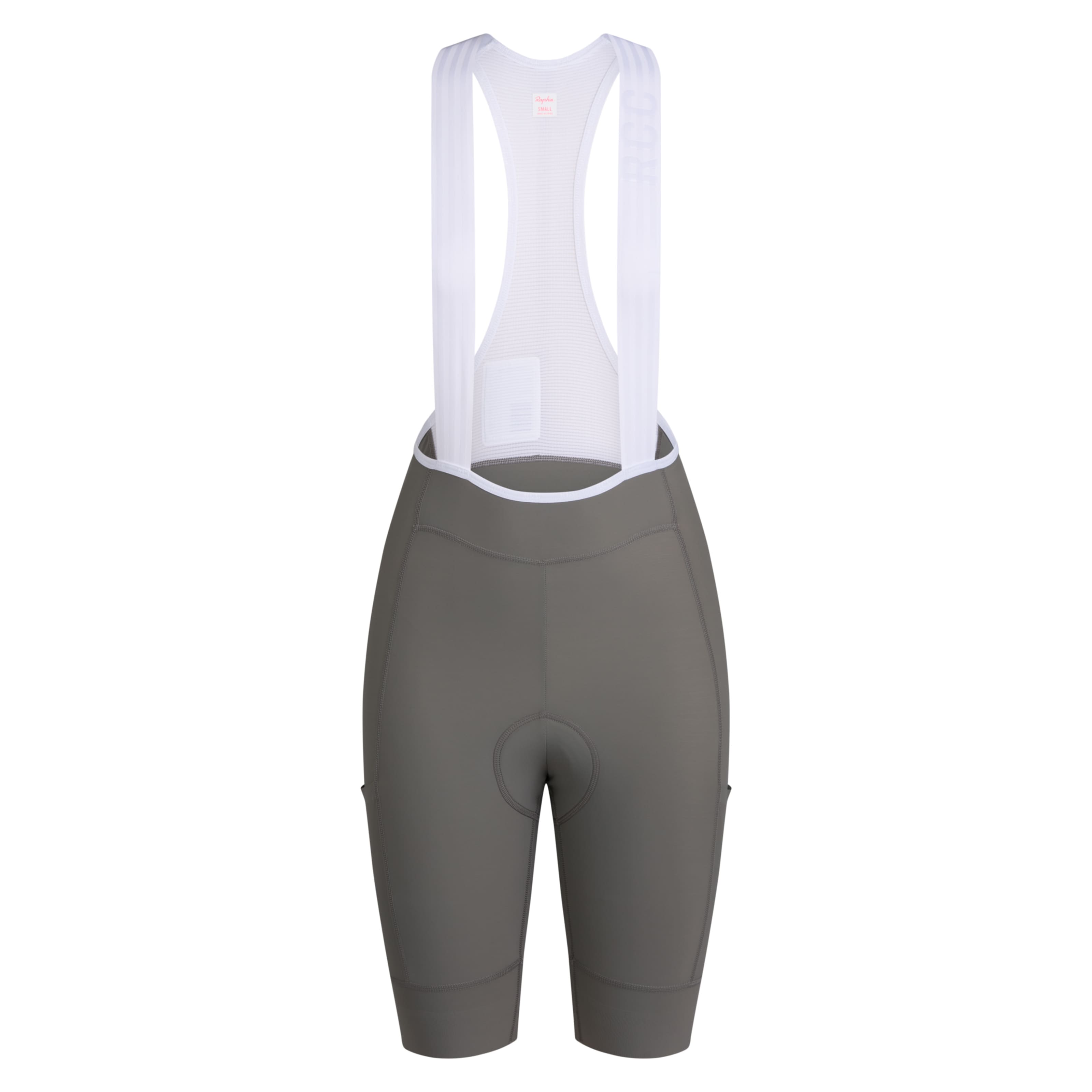
Rough gravel, exposed terrain and long distances between service stops. Cargo bib shorts with integrated pockets, lightweight jerseys and extra deployable storage.
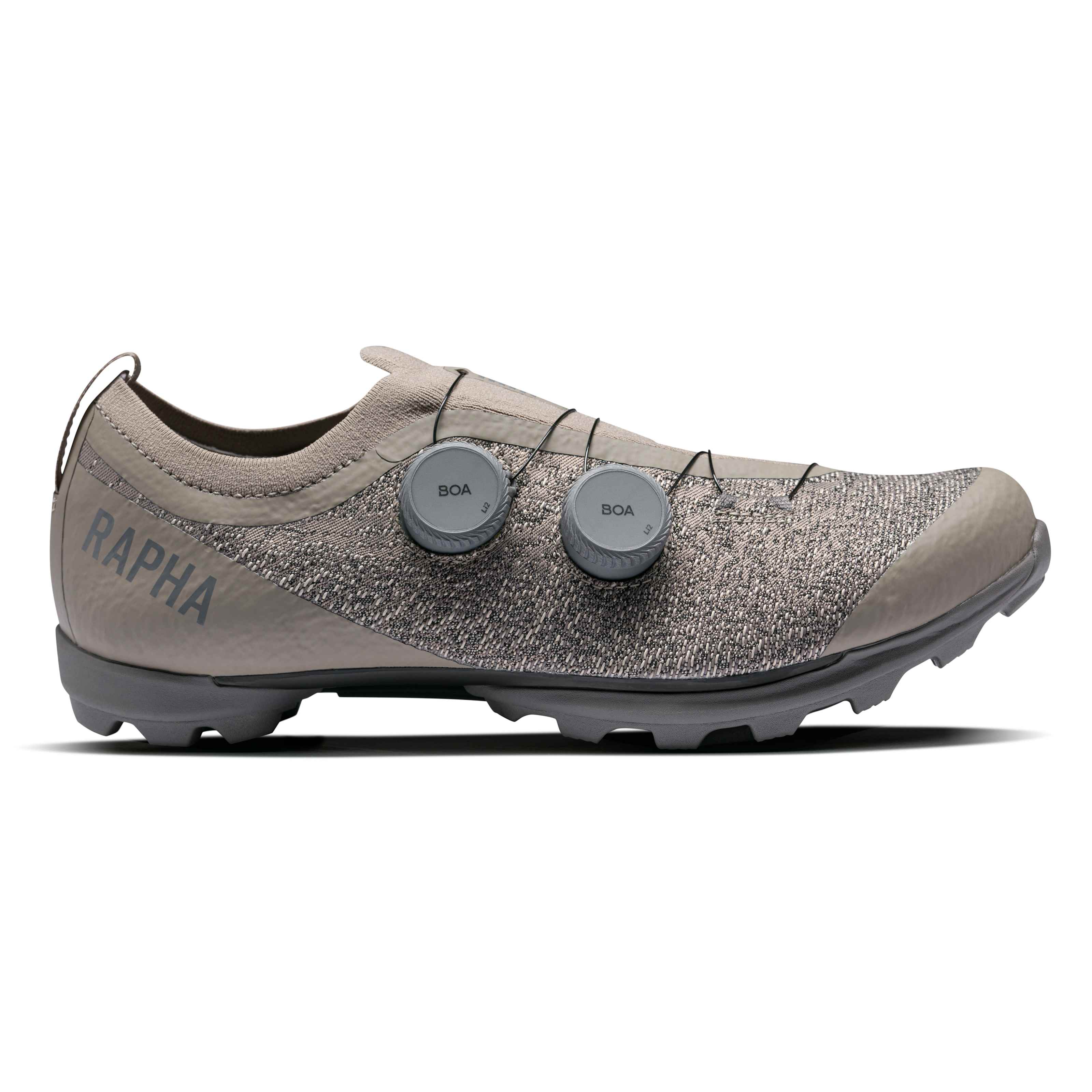
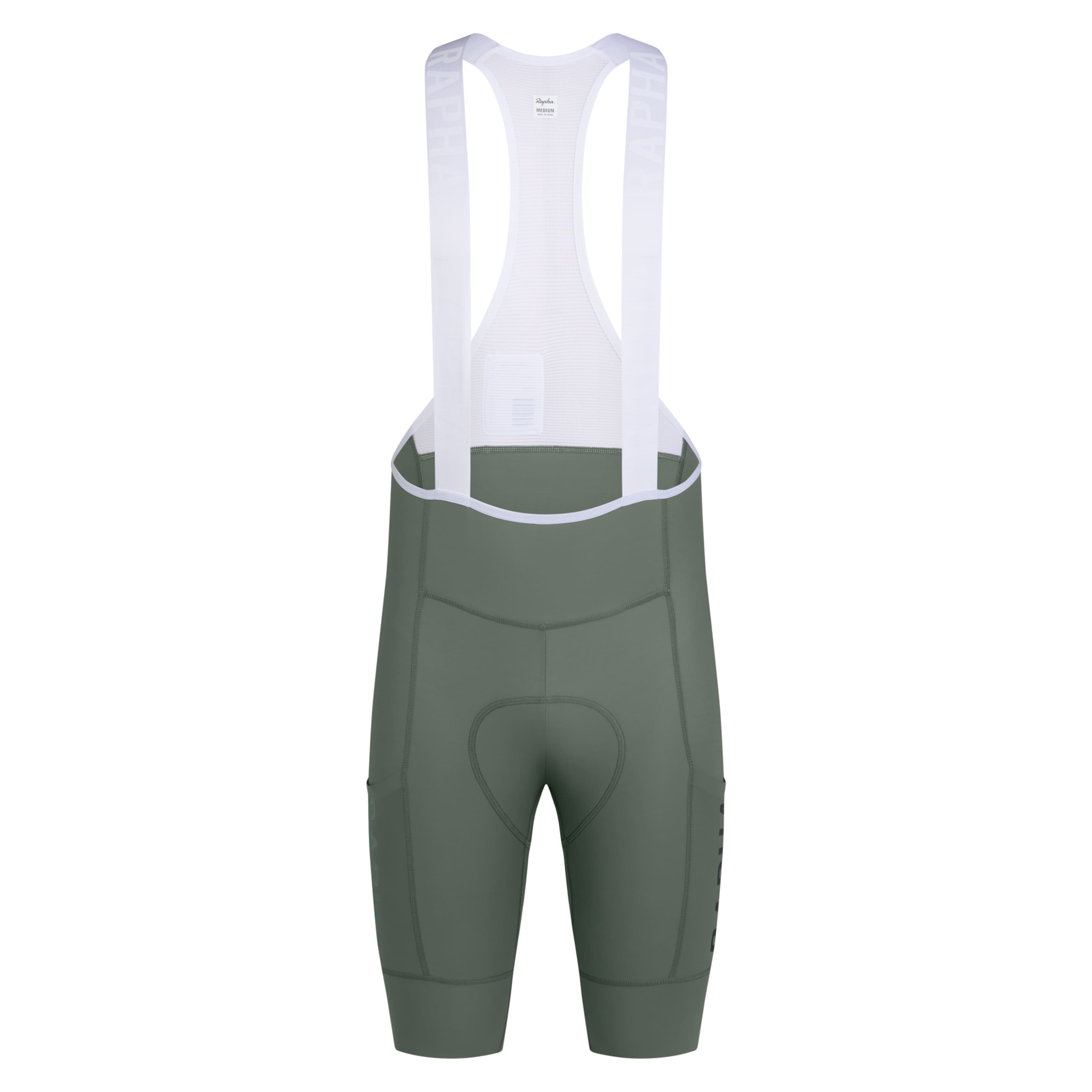
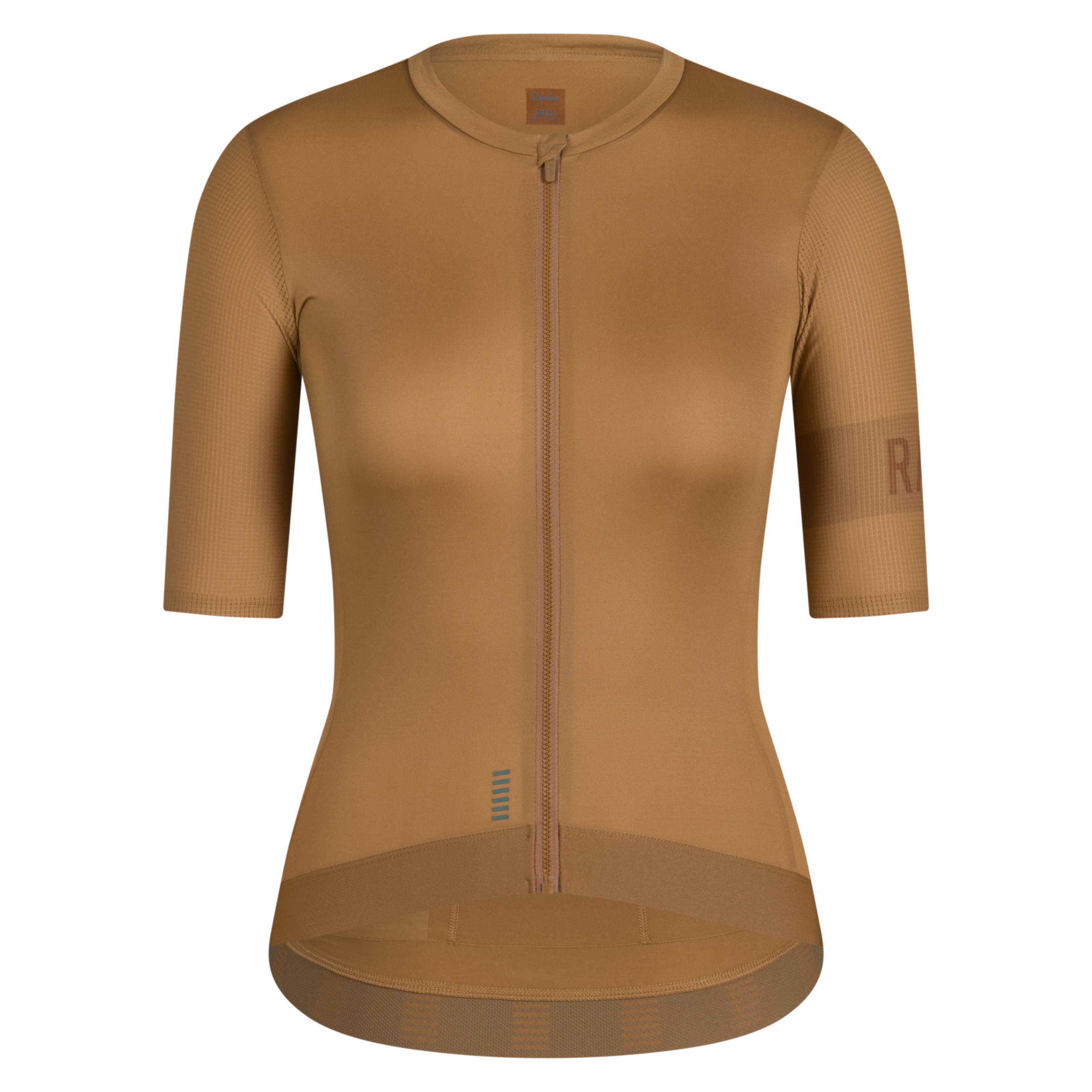

Bright is a special place to all cyclists in Victoria. It is the only area where you can ride multiple high mountains - Mt Buffalo, Falls Creek and the infamous Mt Hotham that looms large at 1,862m. This climb is feared by all riders that take it on, with its irregular gradient being the most difficult challenge, especially at the top where at the 10km to go you see the village across the wide open plains in the distance similar to the great Mt Ventoux.
Hotham has been used in races such as the prestigious Tour of Bright and the Hearld Sun Tour, Australia’s oldest stage race. In 1998 and 2002 racing up Hotham in 1998 and 2002 during the Sun Tour. From many years of training in the area to race as a professional up these climbs was a very special moment.
The township of bright which sits at the base of the Victorian Alps has a European feel with conifers and oak trees that are spectacular in autumn, and pine forests on either side of the village, after leaving Bright township you definitely know that you are in Australia with all the gum trees and roads that are made up of heavy chip asphalt, nothing that resembles the hot mix of the Swiss alps. When you come to Bright, you are in for some tough riding. - Allan Iacuone, Events and Community Lead.
Ready to Explore Australia?
READ MORE STORIES
See what's new this season to get yourself out there.
Sa Roqueta: A Rapha Guide to Mallorca
Everything you need to know about Europe's finest training destination.

PRO TEAM GUIDE
The complete system built to carry you to the limit. Sharpened at the highest levels of the sport to make sure you find your edge.