The Rapha Indoor Cycling Guide
The ‘season’ for indoor cycling arrives in the northern hemisphere around October and ceases – according to the rider’s preference – at some point during the spring classics. Without the rigid structure of the professional cycling calendar to shape it, the other half of the globe is a little more freeform when it comes to swapping the road for the trainer. That means it’s always indoor cycling season somewhere – and given its huge benefits for intense, focused workouts, there’s no reason you can’t jump on the trainer at any time of year.
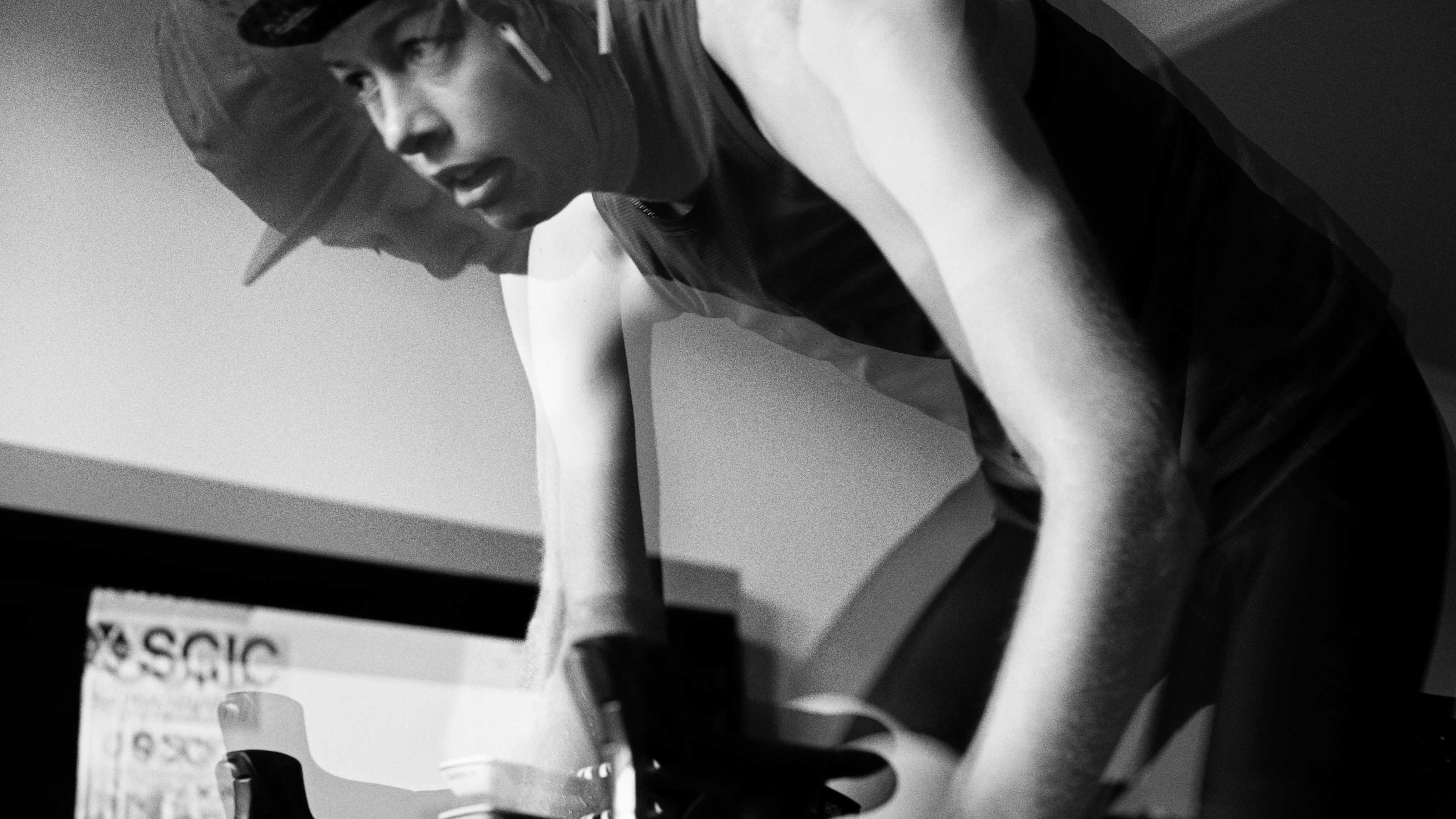

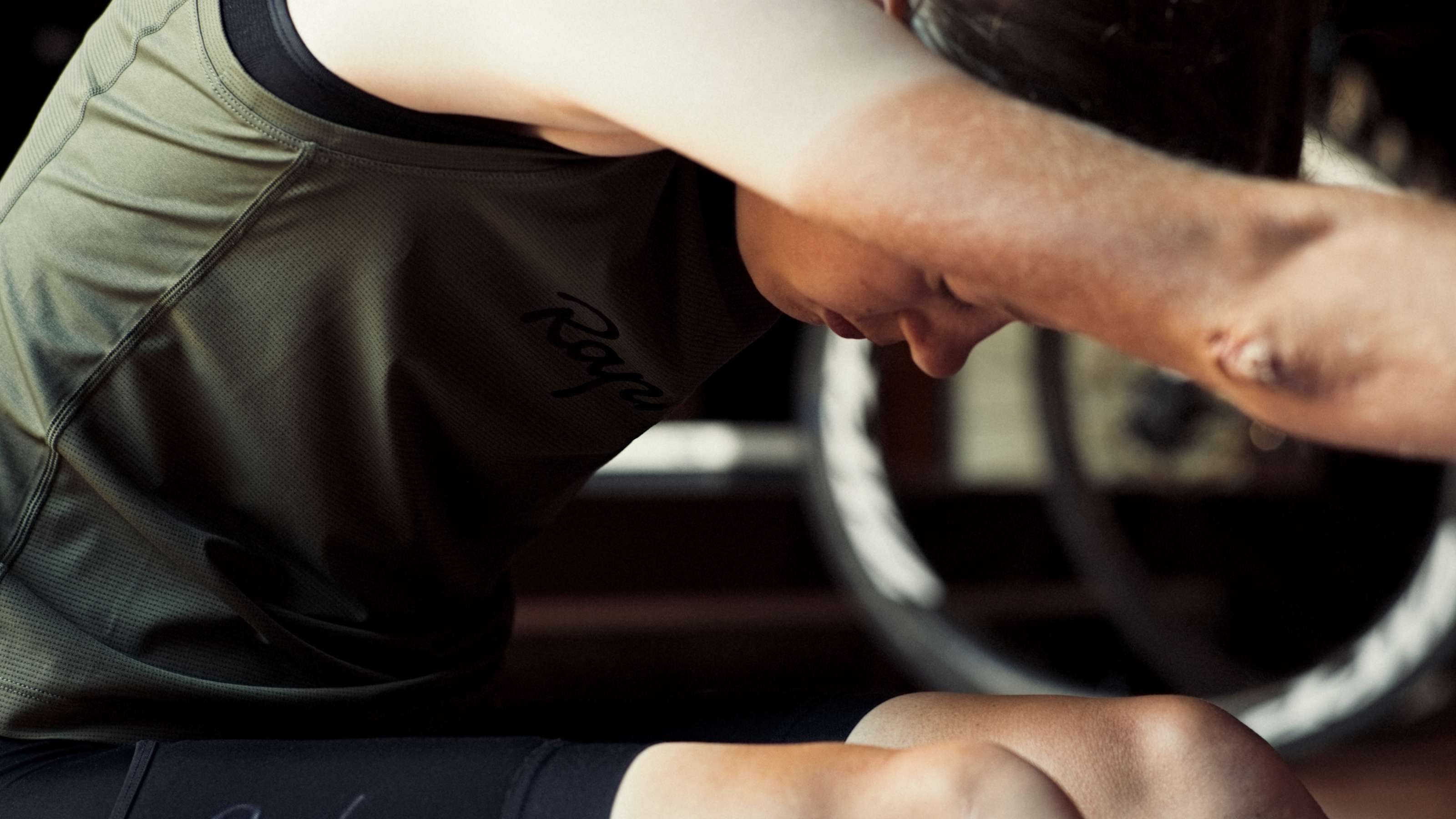
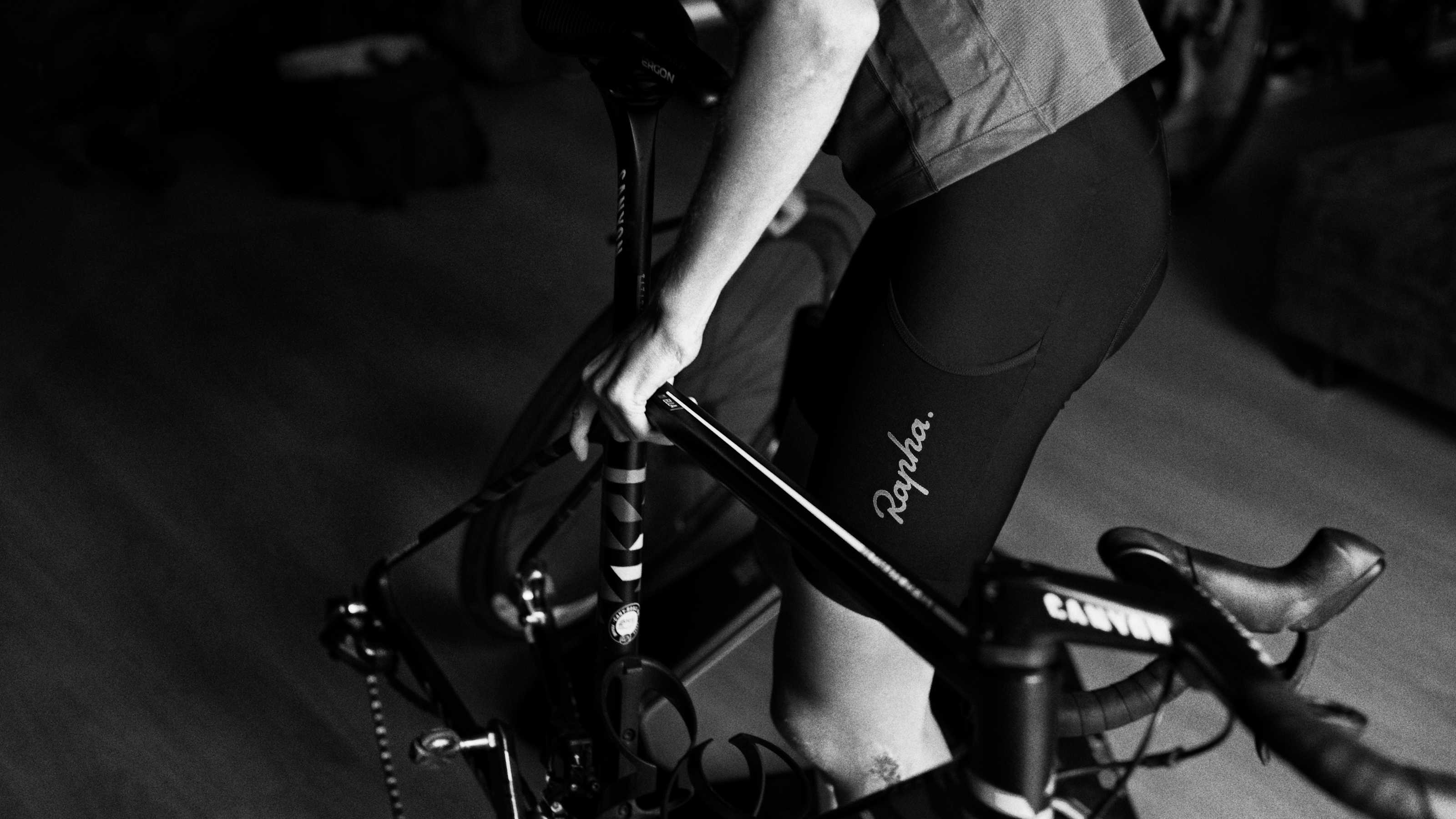
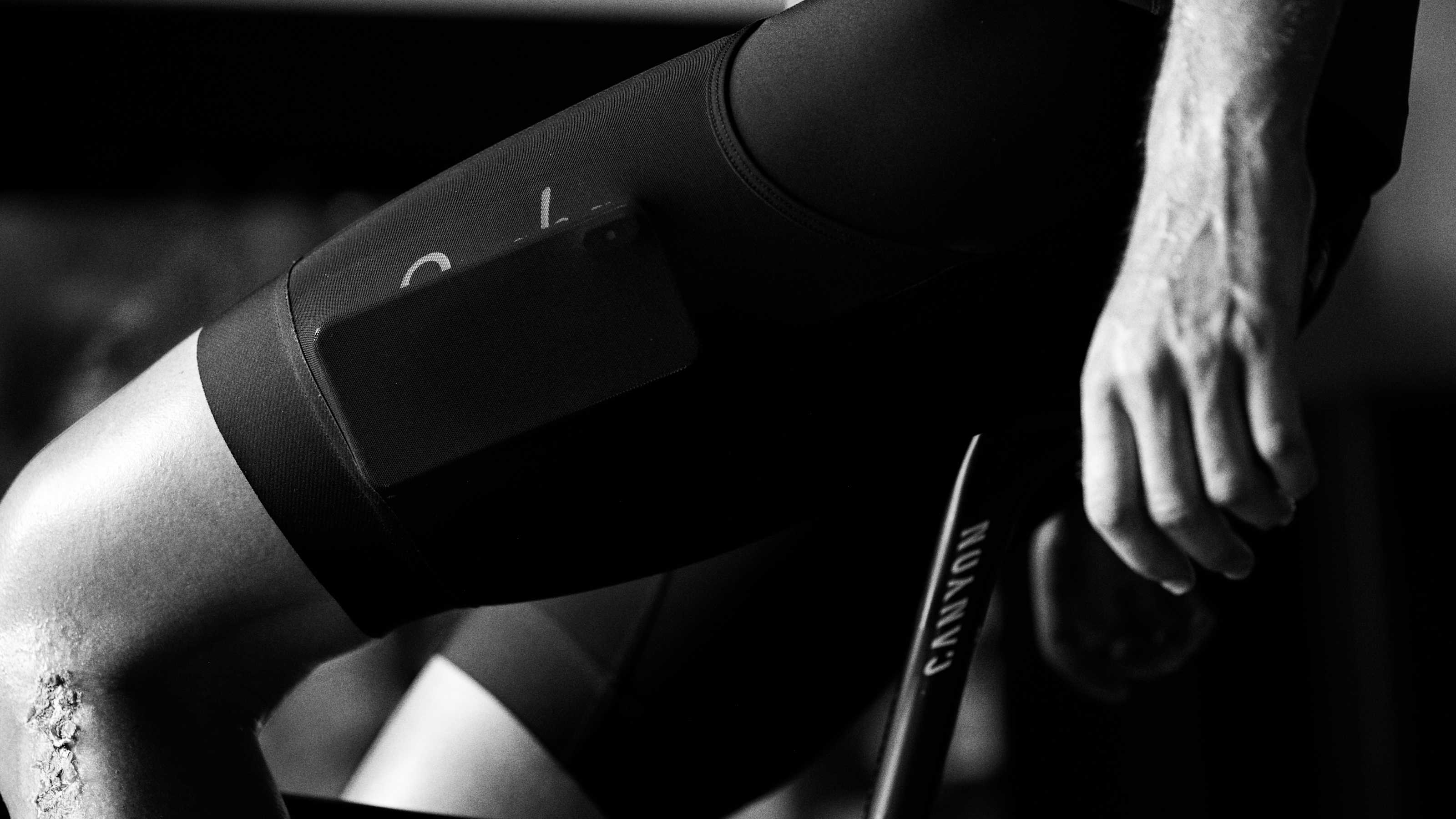

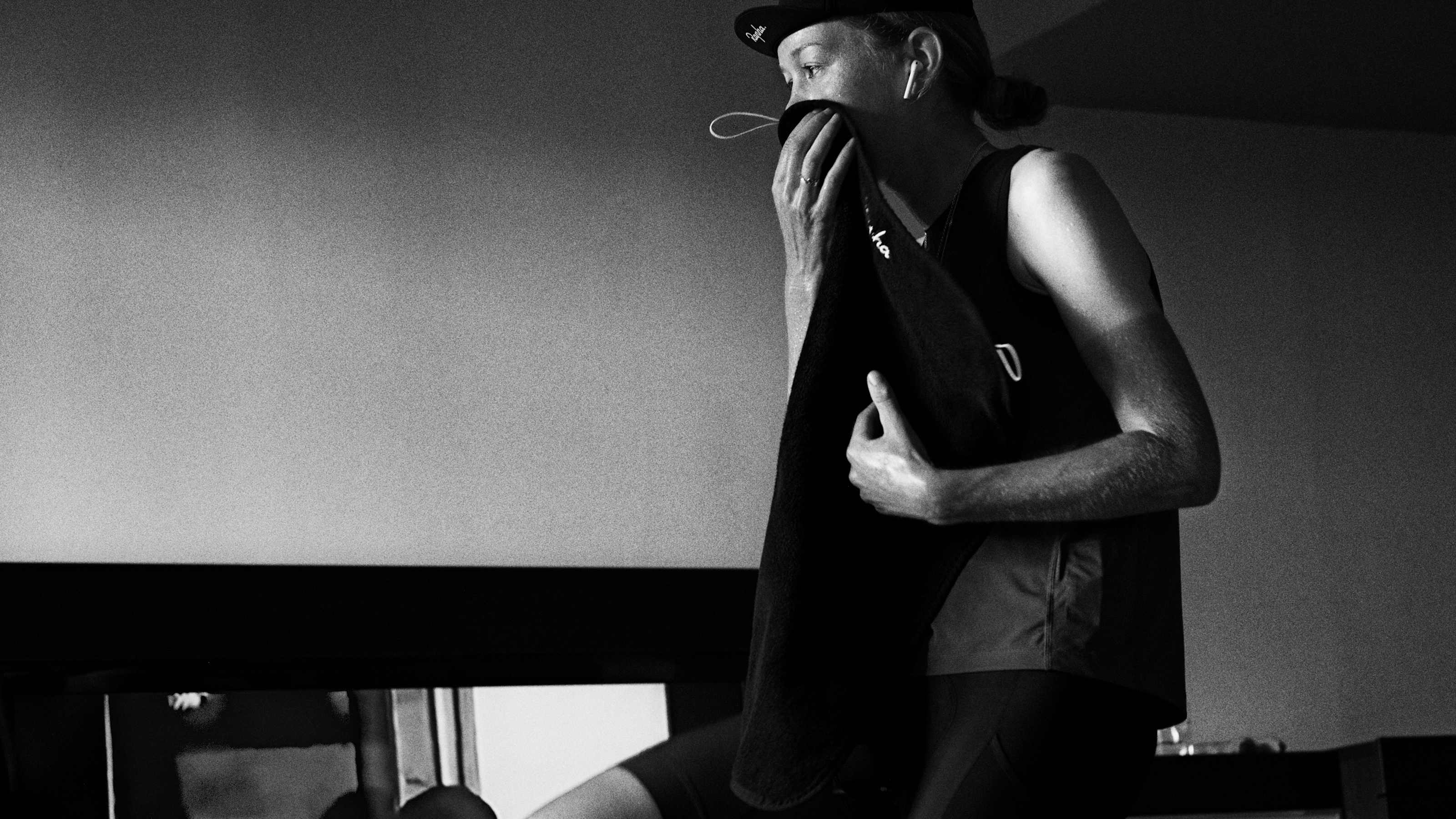
Why ride indoors?
While indoor bike training was long seen as a fallback option for when the weather outside was so foul it made cycling untenable, nowadays we know there are many more benefits.
The fact is, there are few methods more time-efficient for getting in a bike-focused workout than jumping on the indoor trainer. In a tight 60 minutes, you can change into kit, warm up, thrash some intervals and be on your way to the shower. Or you can log on to an online training platform, drop into a race and turn yourself inside-out competing live against riders from all over the planet.
Not everyone feels like they need another monthly subscription, but signing up with platforms like Zwift, Rouvy or TrainerRoad (to name just three) typically grants you access to a library of training plans, from single sessions to eight-week programmes to tune a specific aspect of your cycling skillset. When viewed like this, indoor training gives more riders access to structured support, particularly those who may not be able to work with a professional coach one-on-one. While off-the-peg training plans will never replicate the direct insight of a human coach, if you’re just getting started, they’re a great way to access periodised training.
Setting up your space for indoor cycling
Happily, it doesn’t take much setup to get ready for an indoor training session. If you’re fortunate enough to have a space at home where you can leave your trainer set up, that’ll minimise the amount of time spent getting things ready.
Airflow:
This is the most important factor in setting up your space. You won’t believe how much you sweat from even a mild indoor workout without the rushing of air to move all that moisture away from your body. A fan is essential and opening windows (or the garage door) is also going to help keep things fresh. Remembering to turn off the radiator in the room you plan to cycle in is a top tip and a lesson you hopefully only need to learn once.
Equipment:
Contemporary smart trainers work right out of the box. Set aside about 15 minutes to assemble everything the first time you use it, and after that it should be pretty much instant. As mentioned above, online platforms (Zwift, TrainerRoad, Rouvy et al) add an extra dimension to your training – but are not essential. If you’re just grinding out a session, you may want a second screen you can use to watch Netflix, or the final 30km of Omloop Het Nieuwsblad 2015 on YouTube.
Fuel:
Most indoor rides are short compared with a session on the road and don’t require much fuel, but you’ll want at least a full bidon, if not two, to help replace the huge amount of perspiration you are going to work up. If you’re going past the hour mark, a gel can help you finish the session – or the race – as strong as you started.
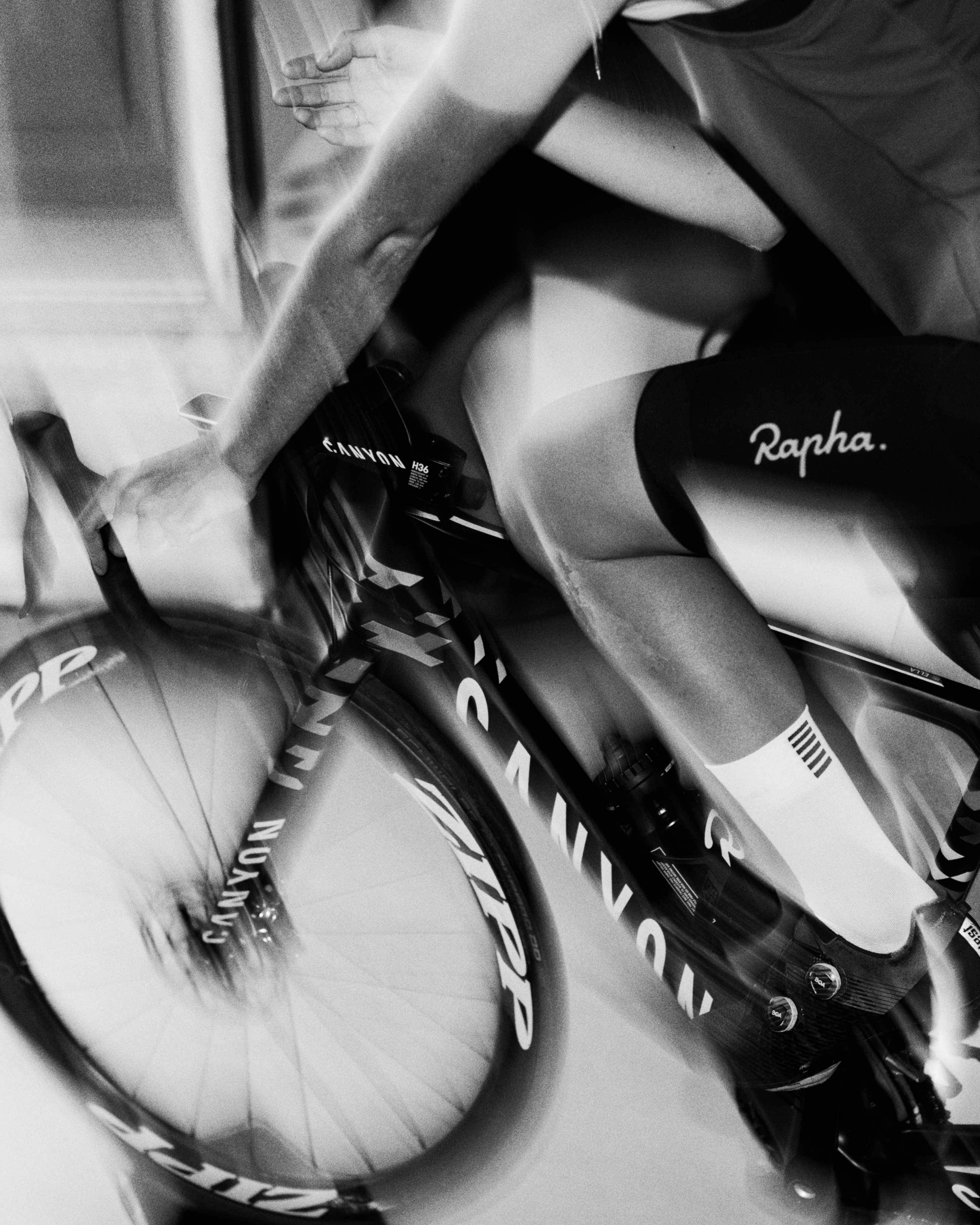
What is a turbo trainer?
You’ll hear the word ‘turbo’ a lot in relation to indoor training. Since the heyday of the turbo trainer, gear for indoor training has developed leaps and bounds, but the term ‘turbo’ is still used colloquially as an umbrella term for all indoor bike-riding machines. If a modern indoor machine is a “smart” trainer, then a turbo trainer is its “dumb” older brother. Traditional turbo trainers don’t connect to services like Zwift and offer far less variation in resistance – usually adjusted manually with a knob or dial.

What to wear: indoor cycling apparel
As we’ve already alluded to, indoor cycling places high demand on the body and with that comes a high rate of perspiration. The intensity of the workout, combined with the lack of airflow, means you’ll sweat heavily and the moisture won’t be moved away from your body by the wind.
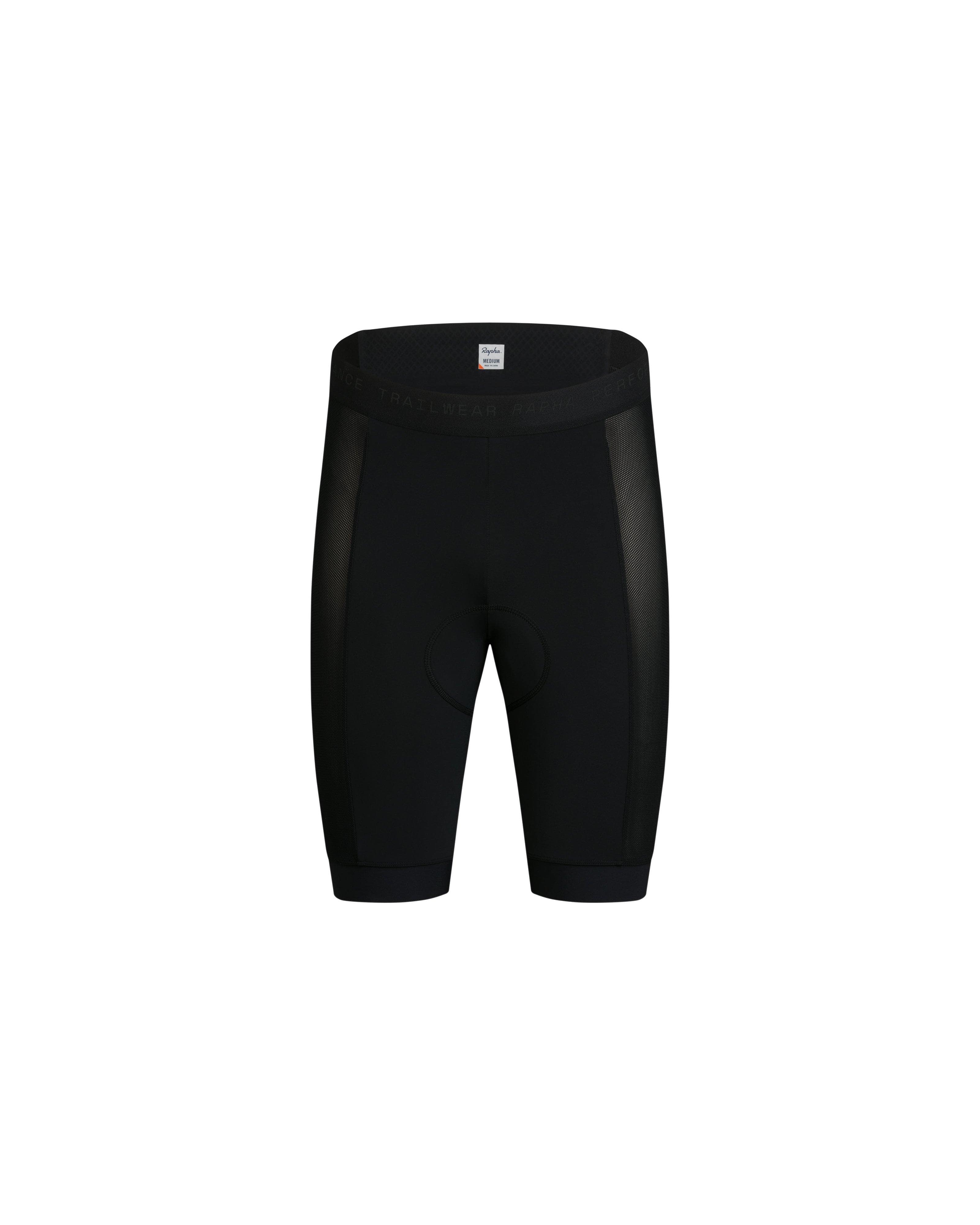
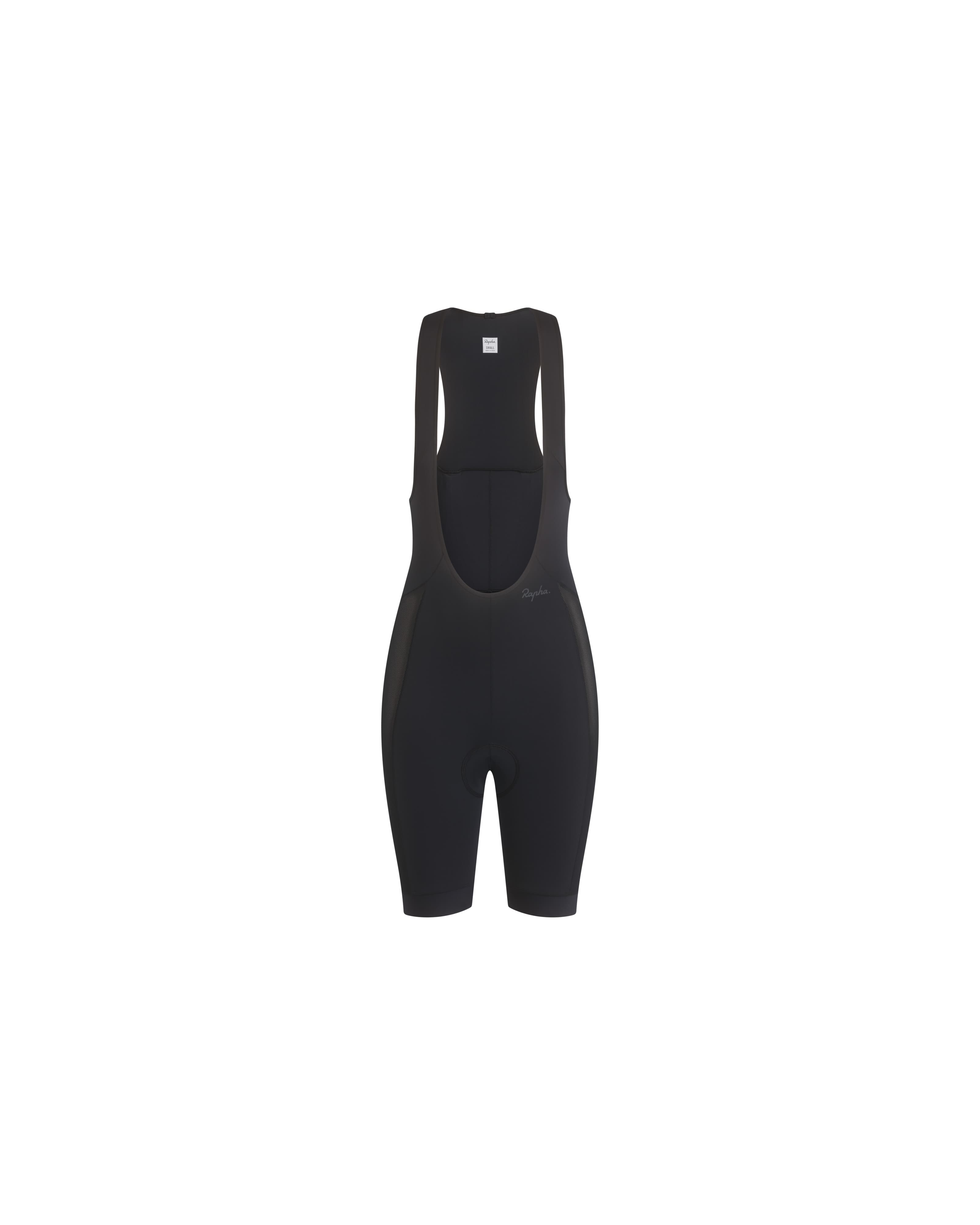
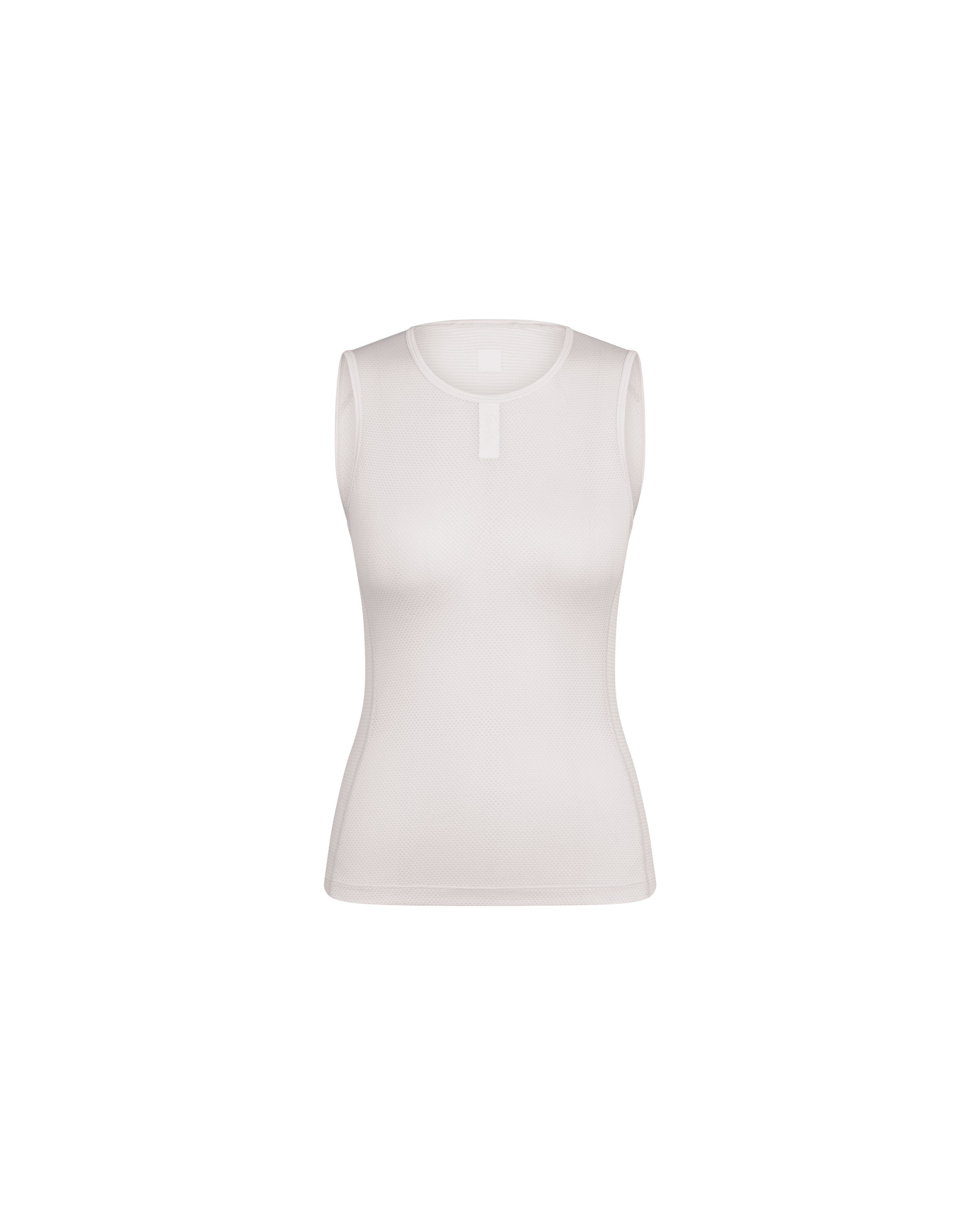
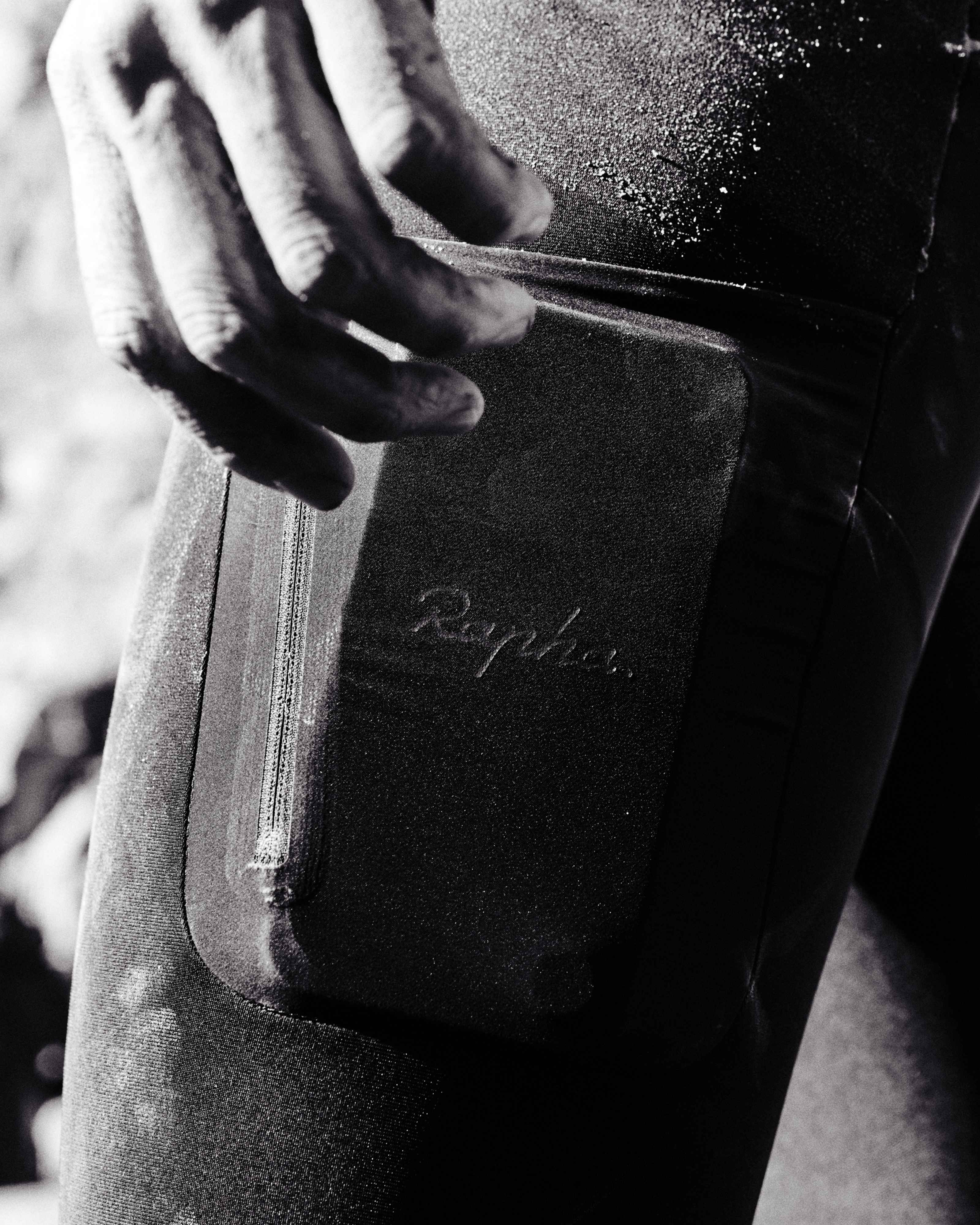
We created a dedicated Indoor range to support riders working out at home. It features shorts with and without bib straps – for those who don’t feel like putting on a full kit for an indoor ride – and a sleeveless T-shirt for covering up without overheating.
The indoor cycling apparel range features super-lightweight and breathable fabrics across the board, to get as much moisture away from your body as possible.
Riding indoors with the Rapha Cycling Club
We often describe the RCC as the world’s most connected community of cyclists and that never feels truer than when riding with the club online. Very bad weather or time constraints may keep you from joining an in-person club ride, but the RCC flag flies in Watopia as well.
The RCC organises regular online meetups in Zwift, with multiple global club rides each week. We’ve also organised pre-season training camps on the platform, so you can work towards a specific fitness goal alongside clubmates from around the world.
If you’re a member of the RCC, you can customise your in-game Zwift avatar with a recreation of the club kit.
READ MORE STORIES
See what's new this season to get yourself out there.
PRO TEAM GUIDE
The complete system built to carry you to the limit. Sharpened at the highest levels of the sport to make sure you find your edge.
RAPHA BREVET: FOR THE AUDACIOUS
A new iteration of our iconic collection engineered for true endurance athletes.