OUR MATERIALS
Material selection shapes our footprint more than anything else. Focusing on this area ensures we are creating the most sustainable cycling clothing possible.
Our materials are the biggest driver of our environmental impact. To tackle this, we focus on fabrics that create the best-performing products with the smallest environmental impact.
“We have committed to cutting our use of virgin synthetics to 20% of the materials used in our products by 2030.”
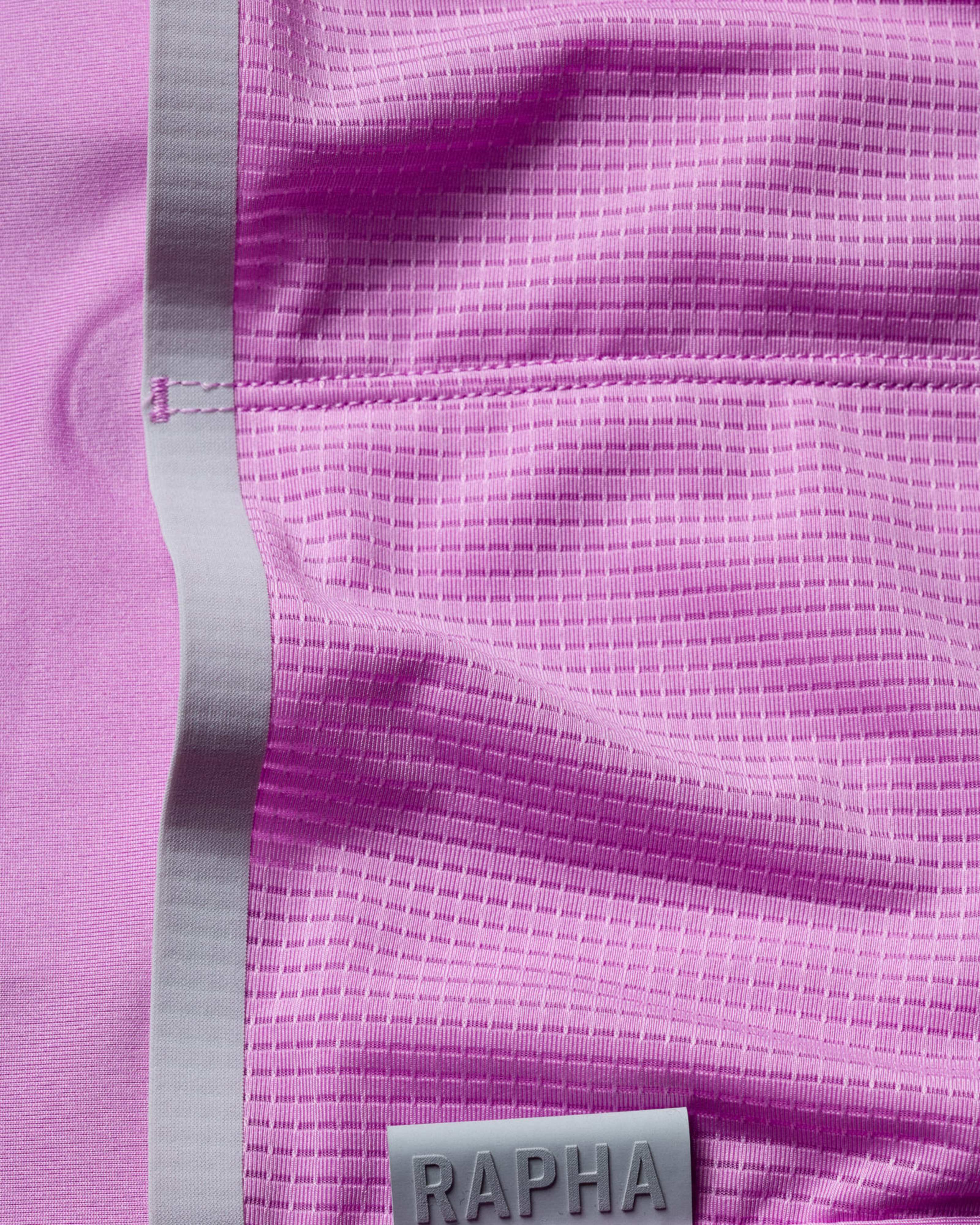
Synthetics
‘Synthetic’ is often seen as a dirty word. Particularly in the marketing world. The truth, though, is that synthetics are the most common material found in our products – and those of other cycling clothing producers. They therefore represent the biggest opportunity for us to reduce our impact.
Synthetic fibres are essential to the production of performance apparel. While natural fabrics have a certain classic cachet, there are things they simply can’t do. That said, not all synthetics are created equal.
Virgin synthetics – those made from new, never-before-used resources like polyester and nylon – are derived from fossil fuels, making their production carbon-heavy and harmful to habitats.
We’re committed to making the world’s finest cycling apparel, and we’re working to reduce the amount of virgin synthetics we use to do so.
To that end, we have committed to cut our use of virgin synthetics to 20% of materials used in our products by 2030. In doing so, our intention is not only to lower our carbon footprint, but to also address the additional impacts that the production of these materials has on the environment.
To qualify as a recycled material at Rapha, fabrics must be certified to the Global Recycled Standard (GRS) or a Content Claims Standard (CCS) endorsed by the Textile Exchange.
WOOL
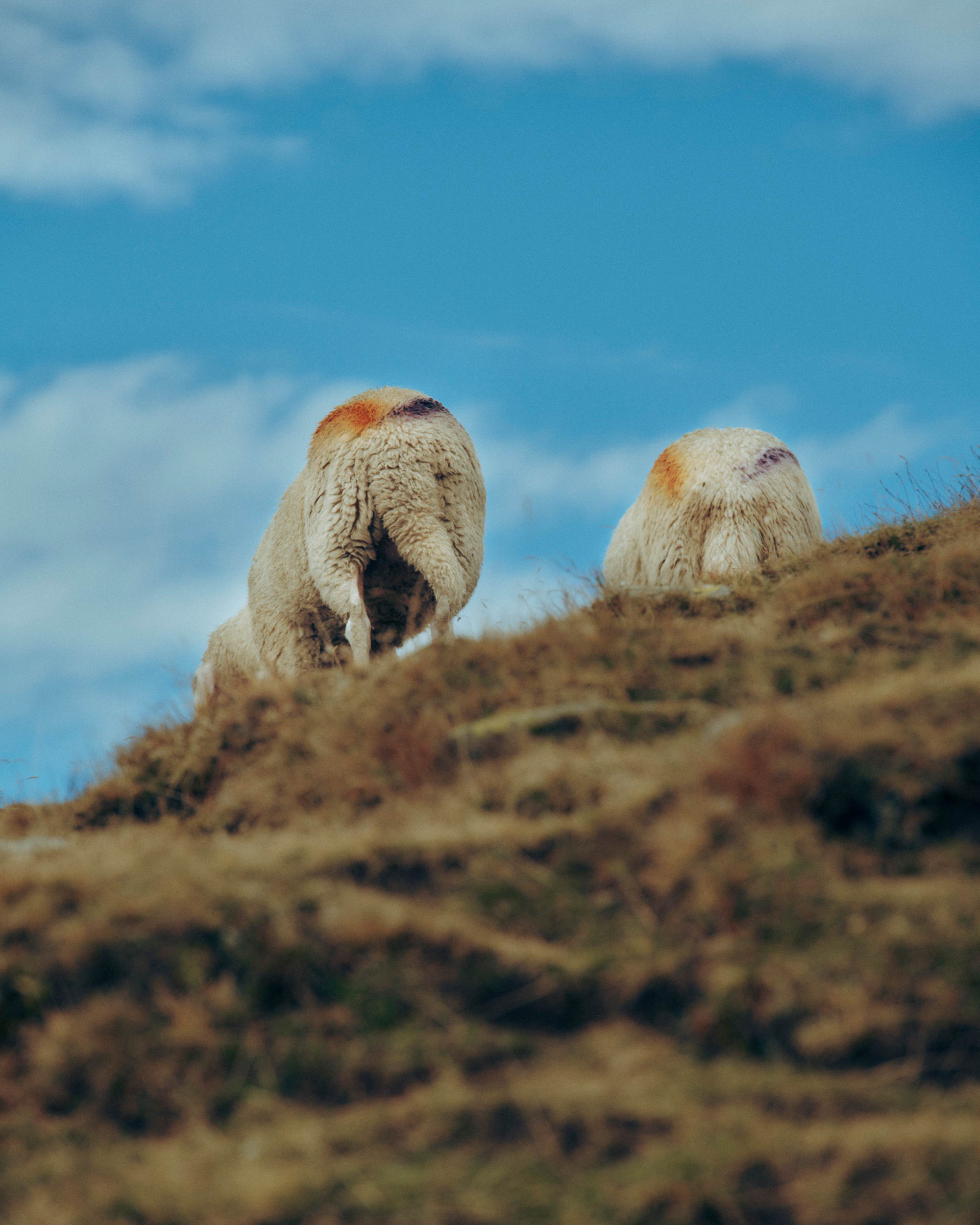
Merino wool has always been a Rapha staple, a foundation stone in the business we’ve built. Its combination of thermoregulation, low-weight, high-comfort and antimicrobial properties is what makes merino such a stalwart. It’s great for shoulder-season training rides when the temperature is unpredictable, but also favoured by multi-day adventure cyclists and audaxers.
We created our own Rapha Performance Merino (RPM) blend in 2004 and used it in our very first product, the Classic Jersey.
Merino wool remains a huge part of Rapha’s product offering, so it is critical that we tackle the environmental and social risks involved in the wool supply chain.
To address the environmental and animal welfare challenges related to wool production, Rapha has committed to only sourcing wool that is certified to the Responsible Wool Standard (RWS). This helps to improve land preservation and protect animal welfare. The RWS also makes stipulations about working conditions and the health and safety of workers associated with these wool farms.
DOWN
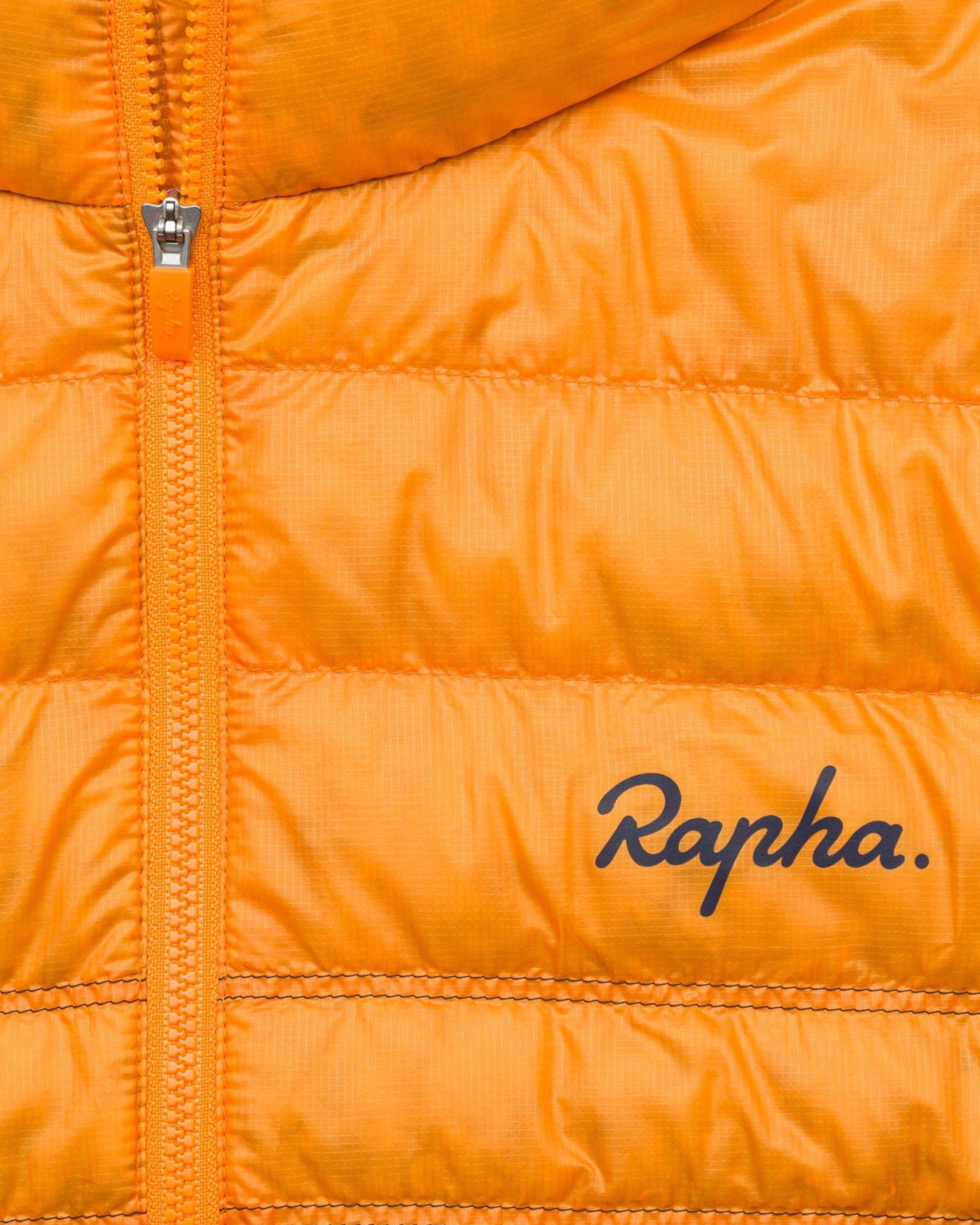
Since the launch of our first insulated down jacket in 2018, down has been a key material for Rapha. The products we design using down are for the coldest extremes, be that the limits of the day, or the frontiers of the world. High mountains, overnight bivouacs, the southern tip of Patagonia, or the rugged exposure of the North Cape.
While synthetic insulations are available, we have yet to find a solution like this that rivals the warmth-to-weight ratio and extremely low pack volume of down. And these are characteristics we believe to be vital to the best-performing products in their class.
Down is most often a byproduct of the duck and goose food industry. As a result, the main point of concern is animal welfare, ensuring that there is no force-feeding of the animals and that there is no live plucking.
To address these challenges, we only source down that is certified by the Responsible Down Standard, ensuring that ducks and geese are treated humanely.
“For natural fibres, we use only organic cotton and wool certified by the Responsible Wool Standard (RWS).”
COTTON
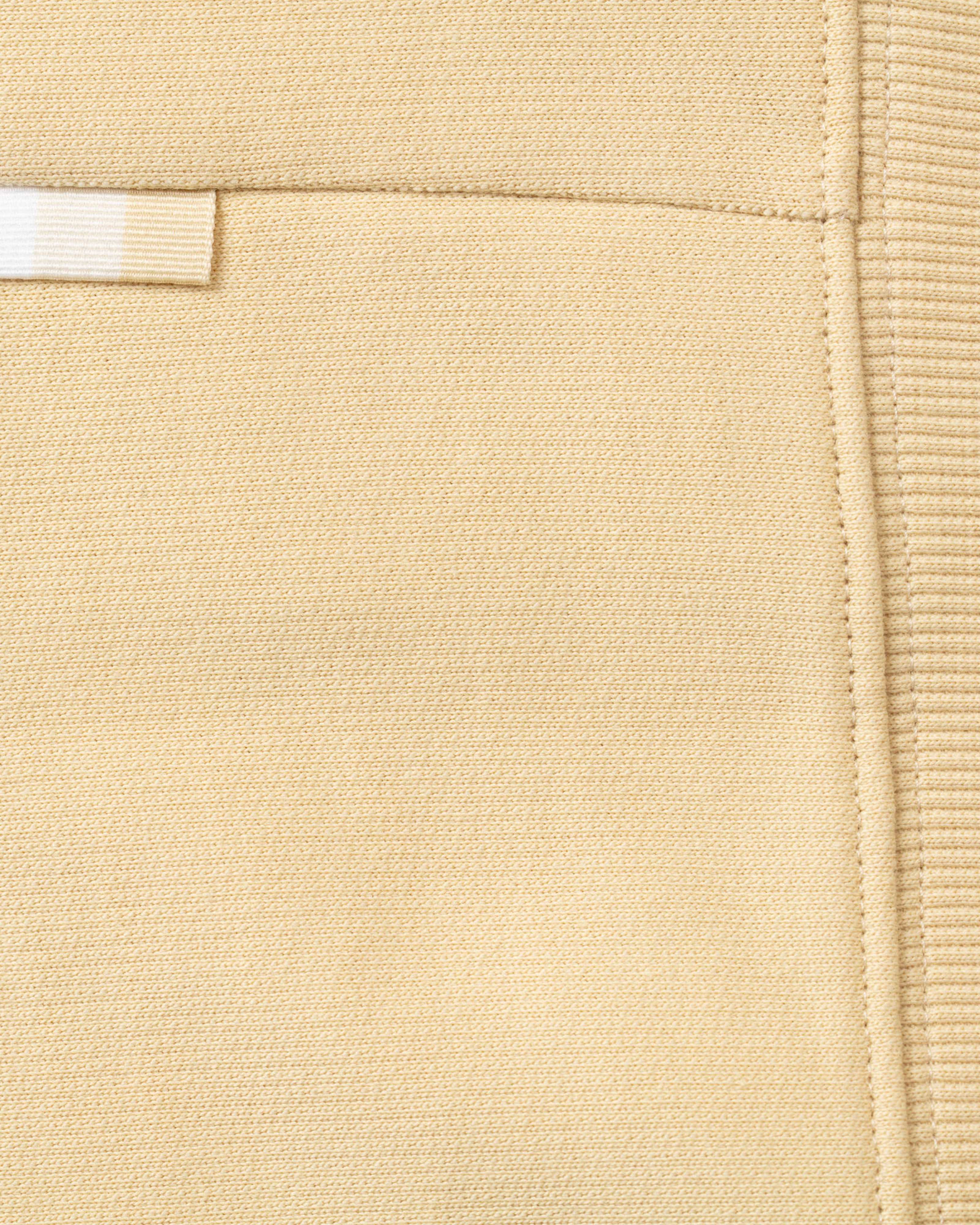
We choose to use cotton in our more relaxed, off-the-bike products. It’s breathable, comfortable, and looks great. Ideal for the moments after a ride, decompressing post-race, or well-earned rest days
High-yield cotton production is heavily dependent on chemical use. There are also extensive labour issues within the cotton supply chain.
To make sure that the cotton we use to make Rapha products has a minimal impact, we require that all of our cotton be either organic, in conversion, regenerative, or recycled. This helps ensure we minimise cotton production’s impact on the environment, provide transparency on how it’s made, and protect the rights of the people making it.
Climate Goals: Discover how we safeguard the environment
Circular Economy: Explore our innovative approach to product circularity
Social Impact: Learn more about our commitment to our makers
Latest stories
Explore our commitments to people and the planet
OUR MATERIALS
Better materials mean a smaller footprint and more sustainable cycling apparel.


Transparency & human rights
Our focus: transparency, accountability, and advancing worker rights.