Rapha + Hiut
Spending time with Hiut Denim Co. in their Cardigan home.
31 March 2026
You may also like
- RCC Exclusive
- RCC Exclusive
- RCC Exclusive
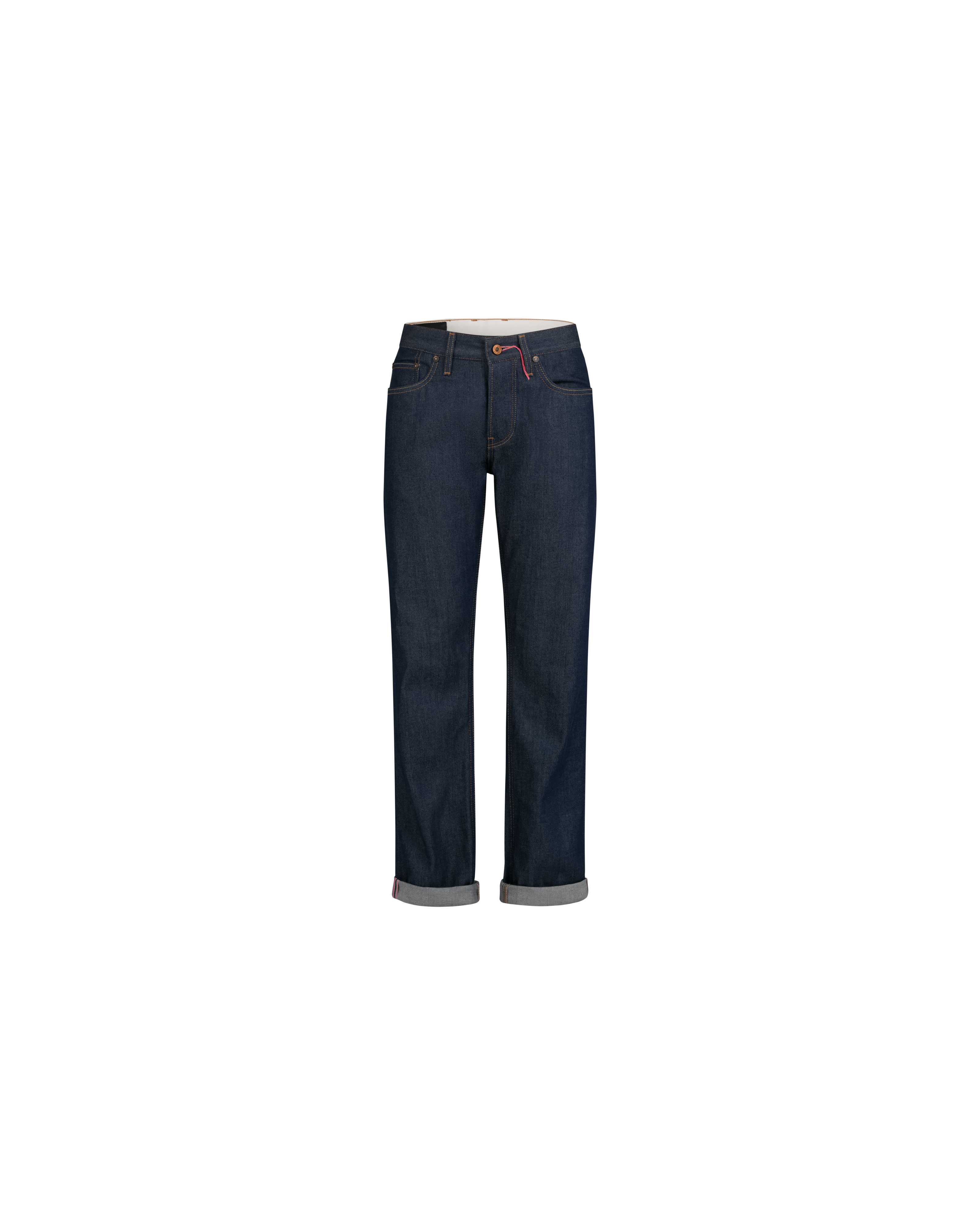
“As soon as Hiut confirmed the date the first Rapha jeans would be off the production line, I knew it was the perfect time to plan a trip… with the bike of course.”
- Ben Wallace - Product Manager, Rapha.
The train pulled into Carmarthen on a damp, misty morning in March. As hikers and day trippers filed off, we rolled onto the platform, fully loaded and ready to ride toward Cardigan. Our destination was Hiut, makers of the UK’s finest handcrafted denim.
Over two days, we sought to get under the skin of a company choosing to do things differently. We wanted to get to know the team and learn how local culture shapes their work. We planned to get hands-on, helping finish the very first pair of Rapha + Hiut Jeans to leave the factory.
Five minutes into the ride, we were already going in circles. We’d stopped at the Carmarthen Velodrome, believed to be the oldest velodrome in continuous use anywhere in the world, for a couple of laps in the rain.
Legs sufficiently warm, we climbed out of Carmarthen and into the Welsh hills. Rolling under grey skies and past swollen rivers, bleats from muddy sheep greeted us as we cruised. A quick stop at the Cilgerran Castle and Siop Y Pentre for a tea and toastie and we were dropping into our destination.
Kit damp but spirits lifted, we arrived in Cardigan. As the start of the Pembrokeshire Coastal Path, the only Coastal National Park in the country, this town of 4,000 people was once a thriving port. By the late 20th century, it had pivoted to denim, employing 10% of the local population. That era ended abruptly in 2002.
For a decade, the expertise of Cardigan’s denim masters went unfulfilled. Knowledge like this can ebb away quickly, robbing a community of its identity.
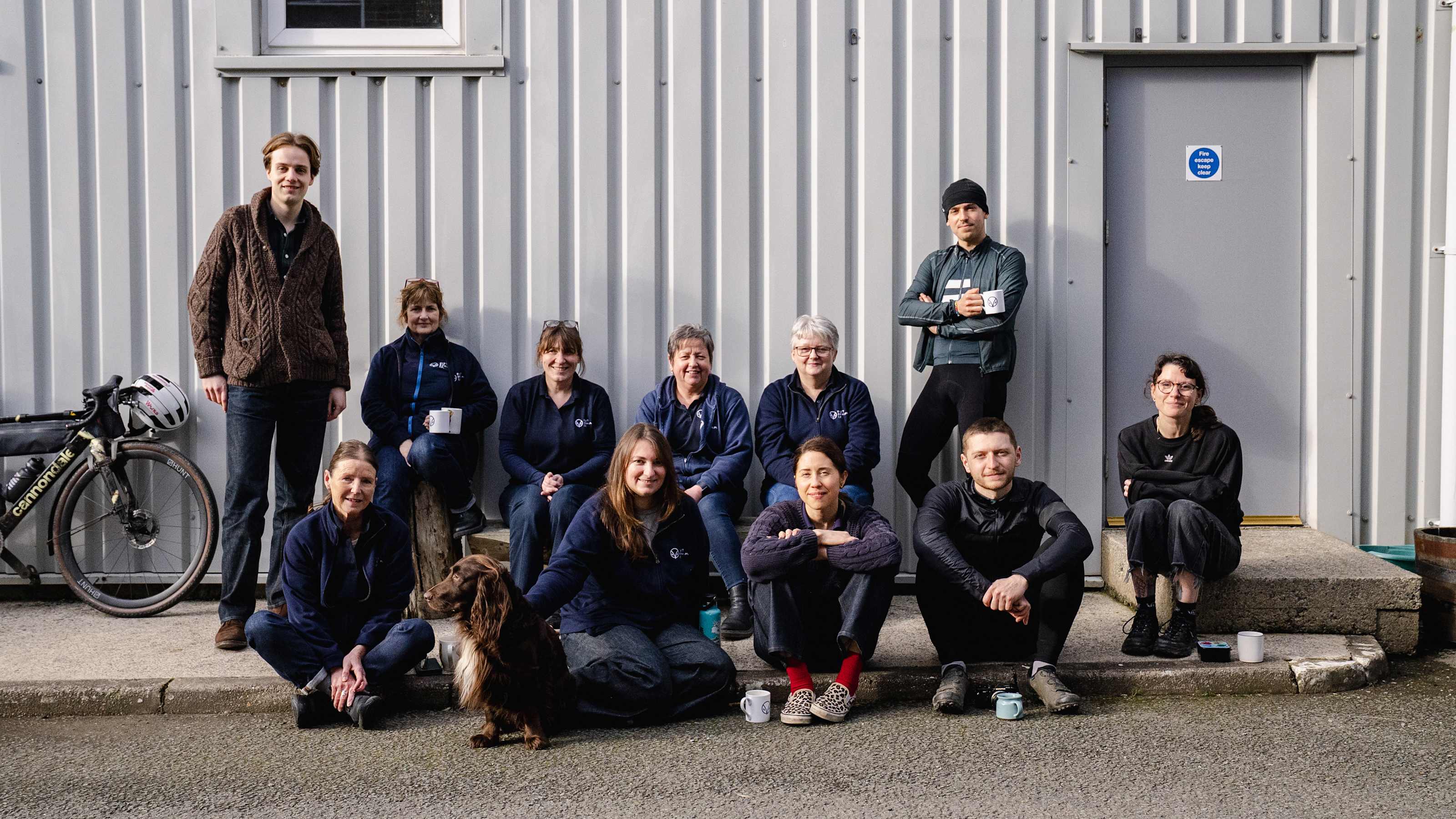
In 2012, Hiut Denim Company set out to reclaim that heritage. Employing the same artisans who had been crafting jeans since the 1960s, they committed to one goal: making the finest jeans from the world's best denim. These are handcrafted by GrandMasters who use intricate, unhurried methods. The result is a product that does not simply stand the test of time, but improves with age.
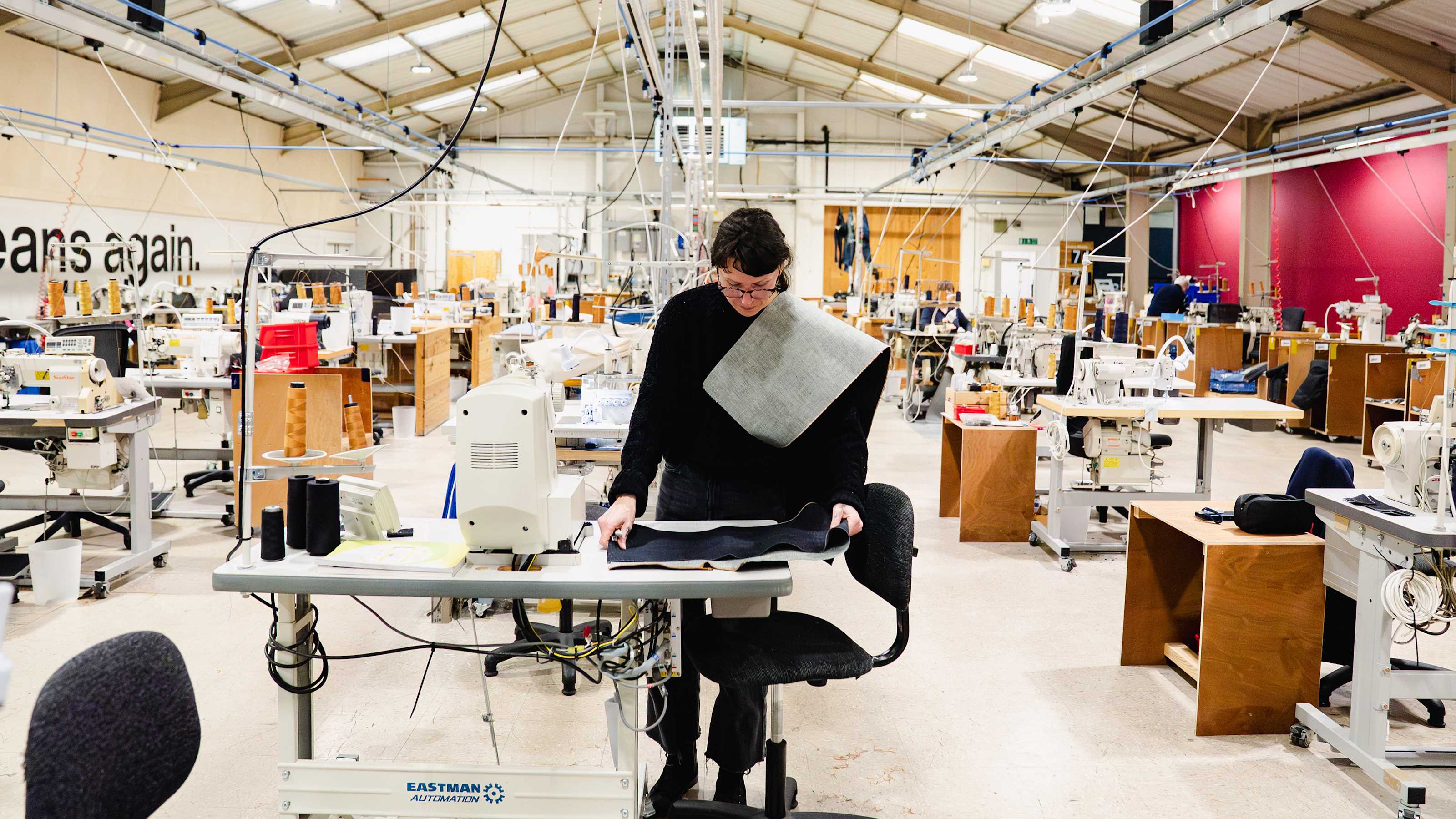
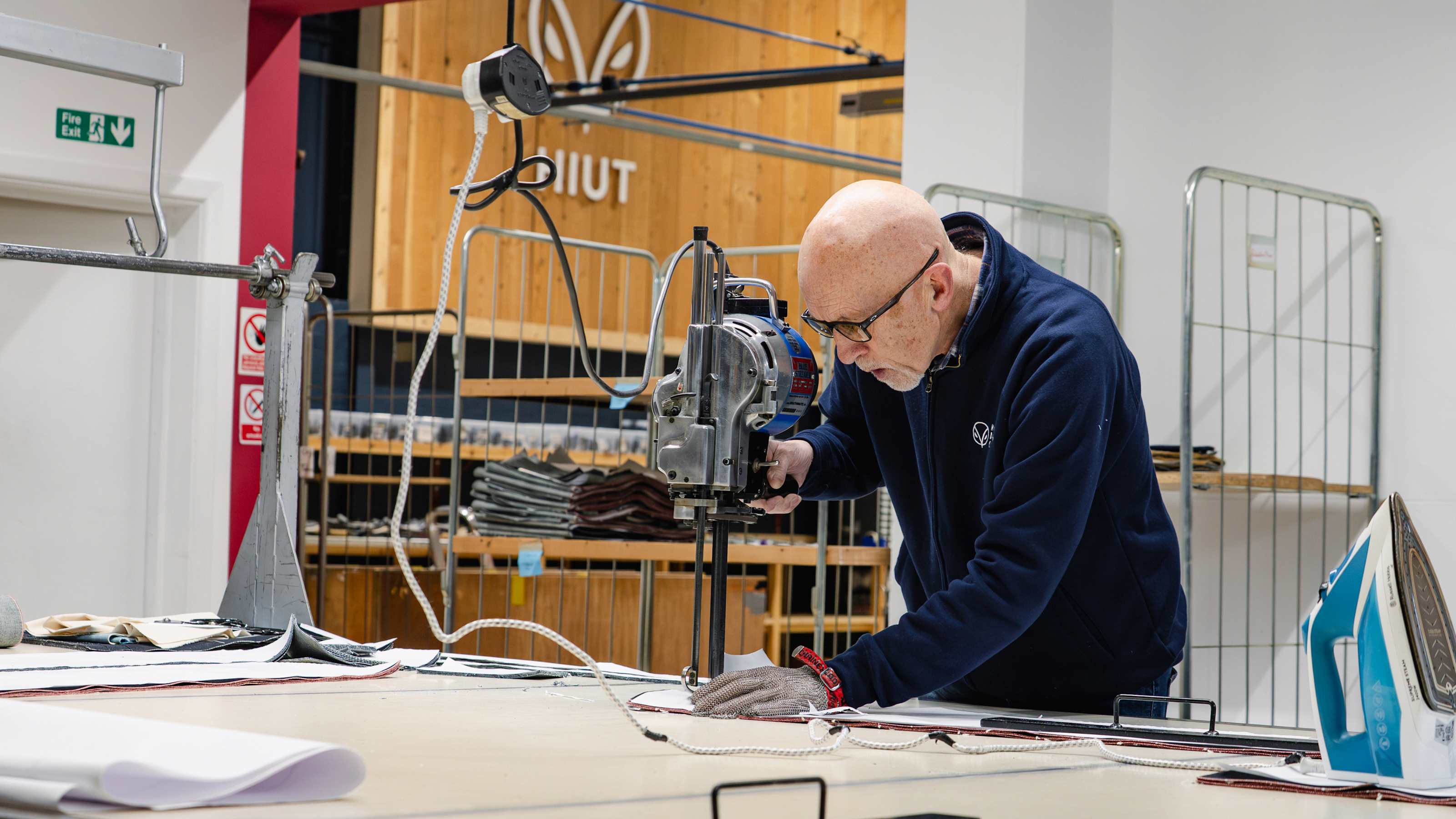
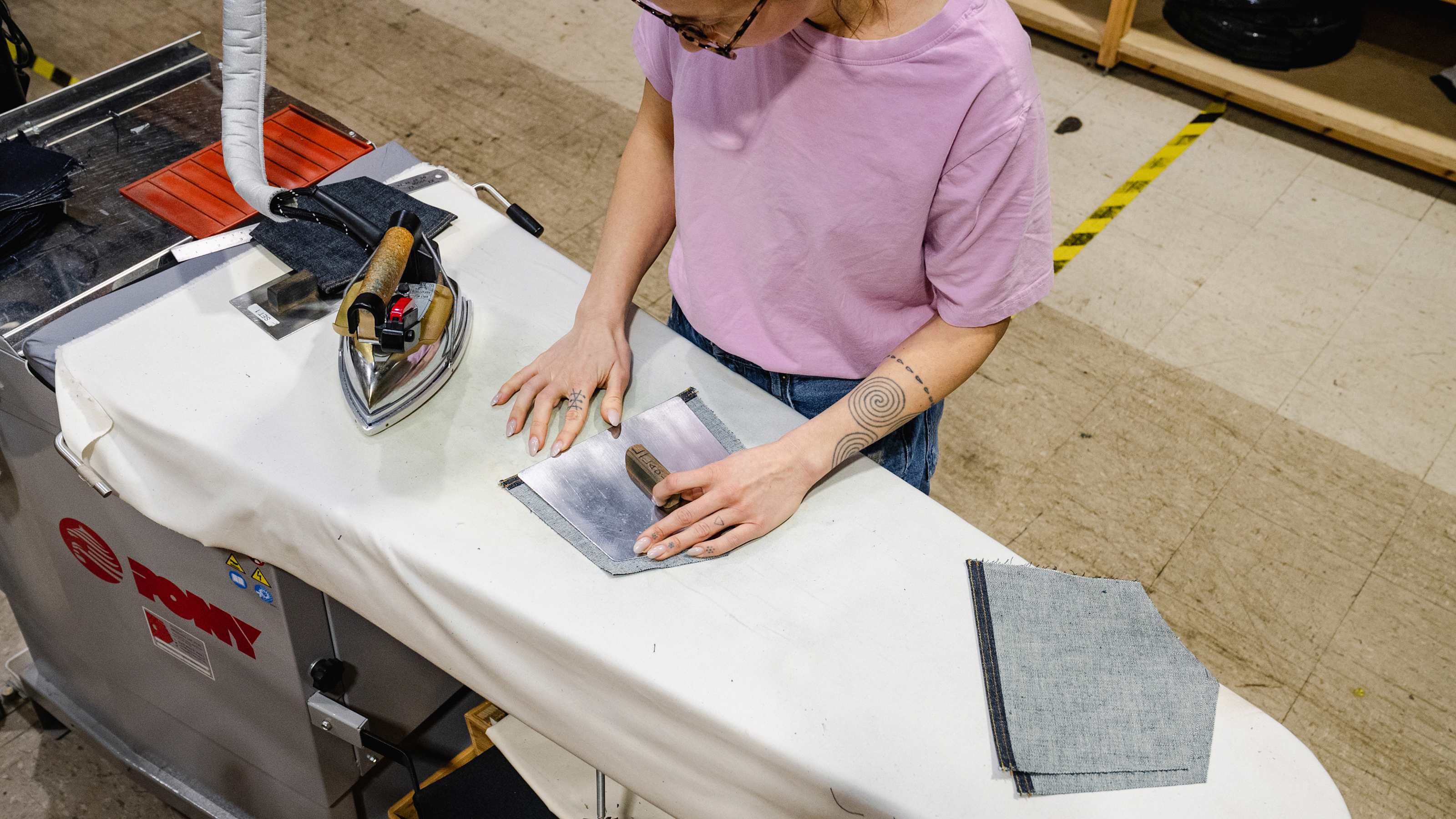
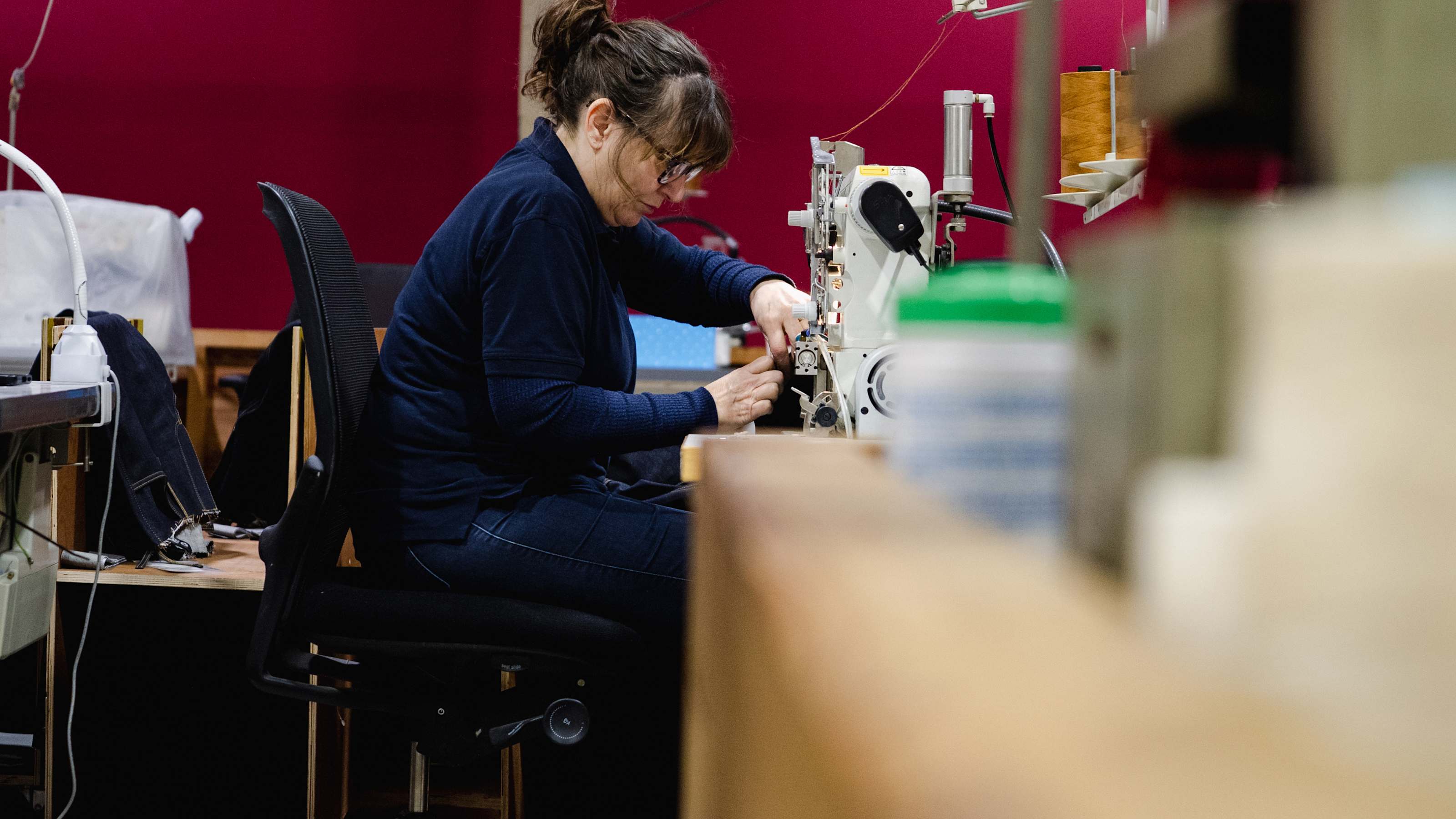
There is no automated clatter here. Instead, you hear the rhythmic thrum of vintage sewing machines guided by human hands. Every pair is an investment in hours of a GrandMaster’s life.
“The factory relies on the skills of the local area,” Joe Arnold, Content Creator at Hiut explained. “People worked in the original factory for decades. We want to train the next generation to do the same, keeping this amazing skill alive while it declines elsewhere in the UK.”
When it comes to training the focus is singular. Makers specialise in one role, cutter, maker, or specialist in rivets, refining that skill until it becomes second nature, meaning that they’re then able to turn their expert hands to any task in the factory. It is a methodical environment that values quality over output.
“You have to have sewn for so many years and be a machinist for so many years to be very good. So that's why we're called GrandMasters. It takes about eight years in our factory to become one.” - Gill Kynoch, Hiut GrandMaster.
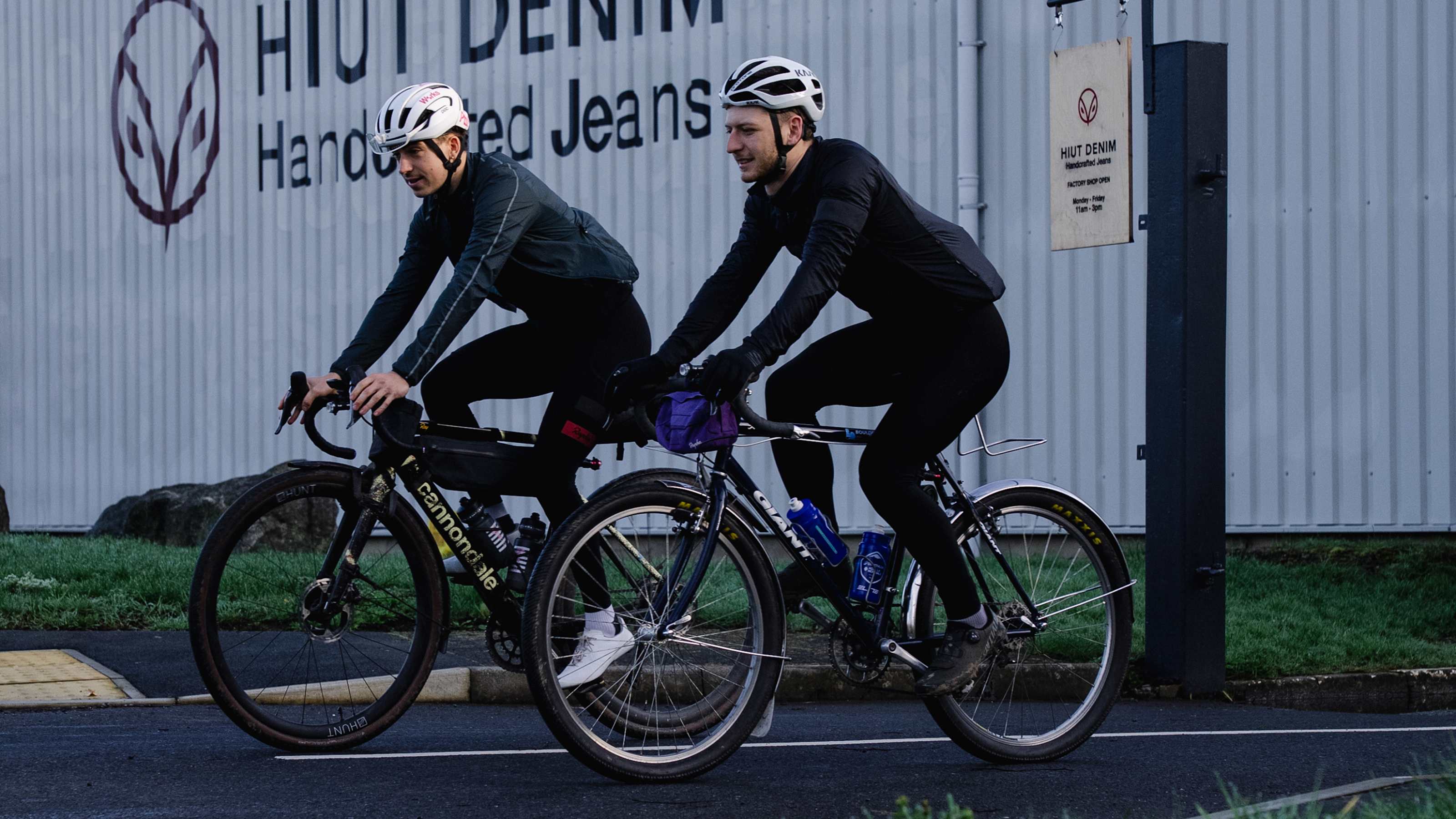
The next day, we rolled from the factory, through Cardigan and the small streets of St Dogmaels, onto roads that feel like they drop down vertiginously into the sea.
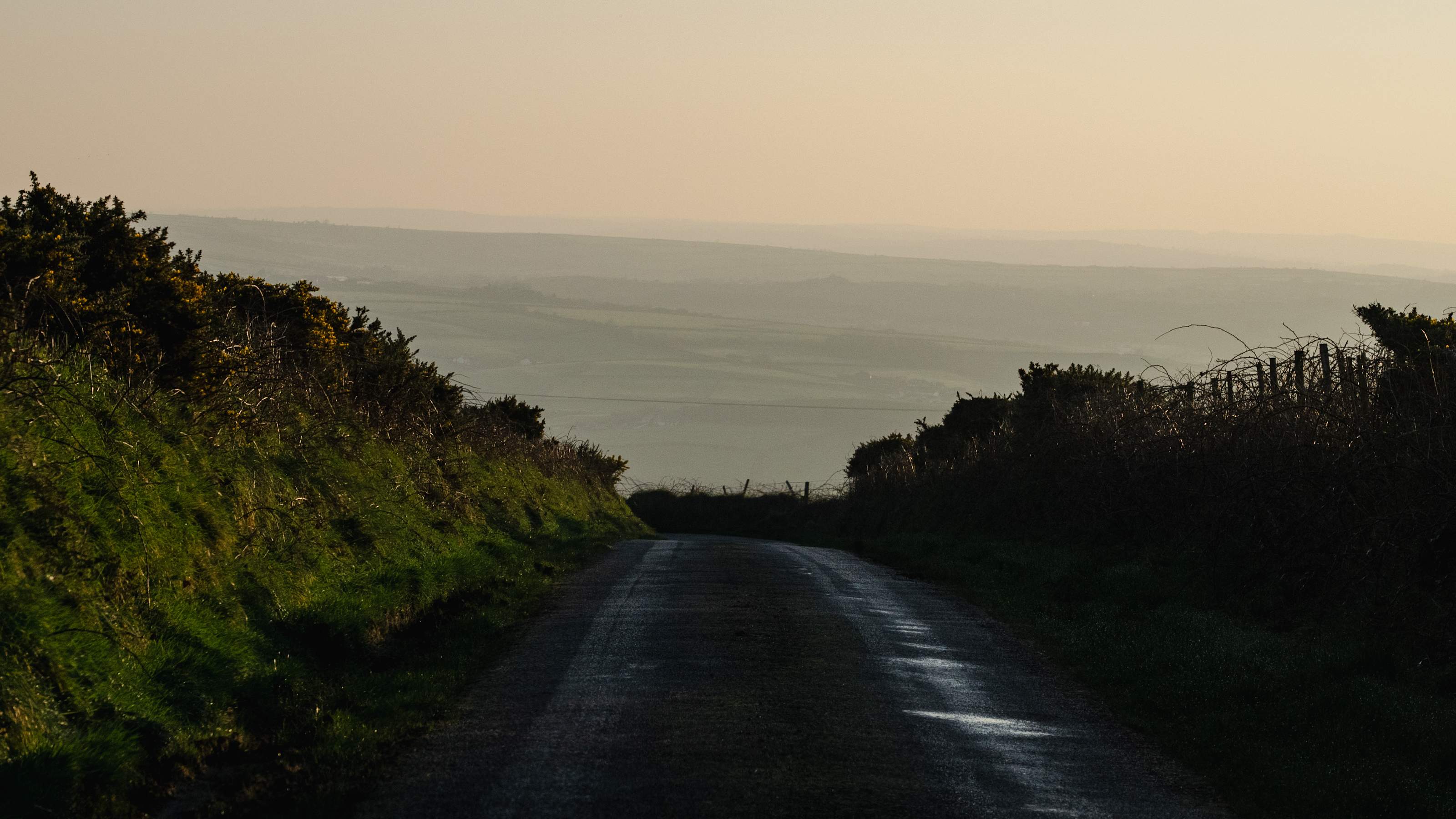
A sawtooth profile doesn’t do the roads around here justice. Going as they do from ripping downhills to heinous climbs in an instant. Daffodils bloomed on the side of the road, signalling the rapidly approaching spring. Passing by endless fields of green dotted with sheep, we stopped in Newport for Welsh cake, tea and a chat with Joe Arnold about Hiut and Wales.
We rolled back over stone bridges as the sky turned from blue to grey. 45km feels a lot longer in West Wales.
“First impressions suggest a quiet coastal town,” Joe noted. “But once you stick around, you notice the density of creative people. It is an amazing place to be.”
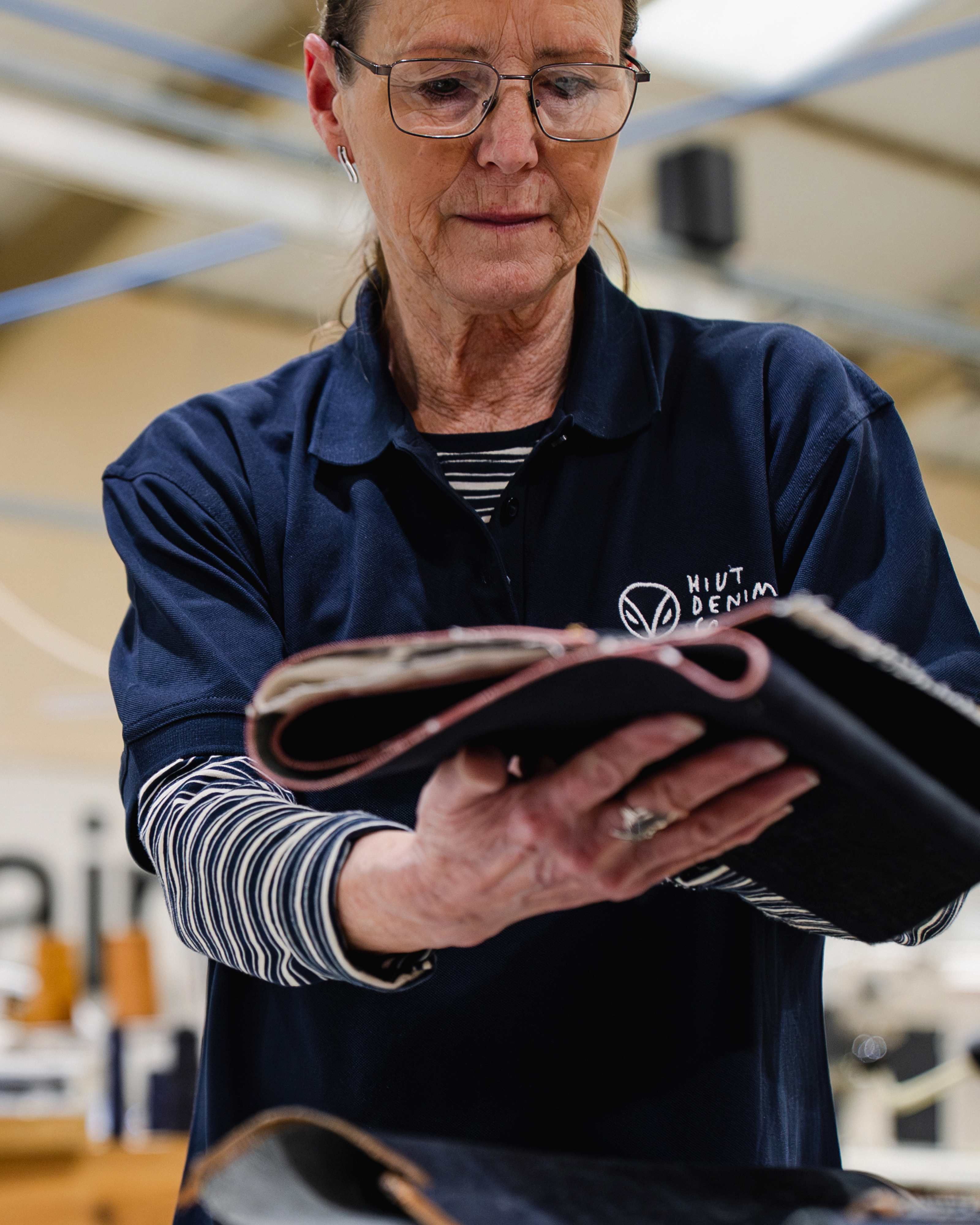
The textile history of West Wales is a tale of two fibres: the ancient Welsh Mountain sheep and the modern blue jean. For centuries, the Teifi Valley was a powerhouse. Water-powered mills turned local wool into world-class flannel. In the 1960s, the town pivoted, and the Dewhirst factory began producing 35,000 pairs of jeans weekly.
Today, Hiut builds on that heritage at a human scale. There is an appreciation for the fact that the machines are humming once again, thanks to the skills of local people.
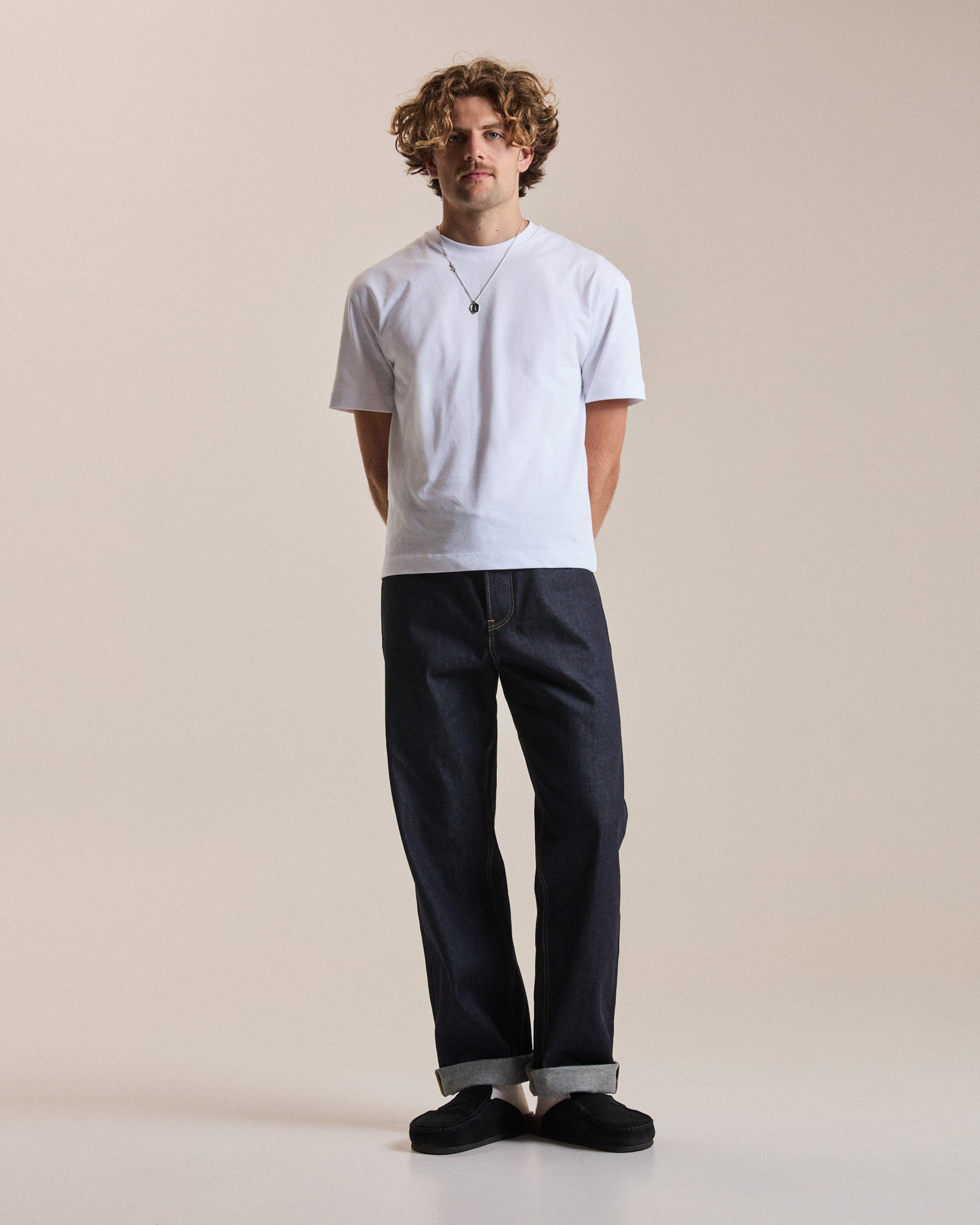
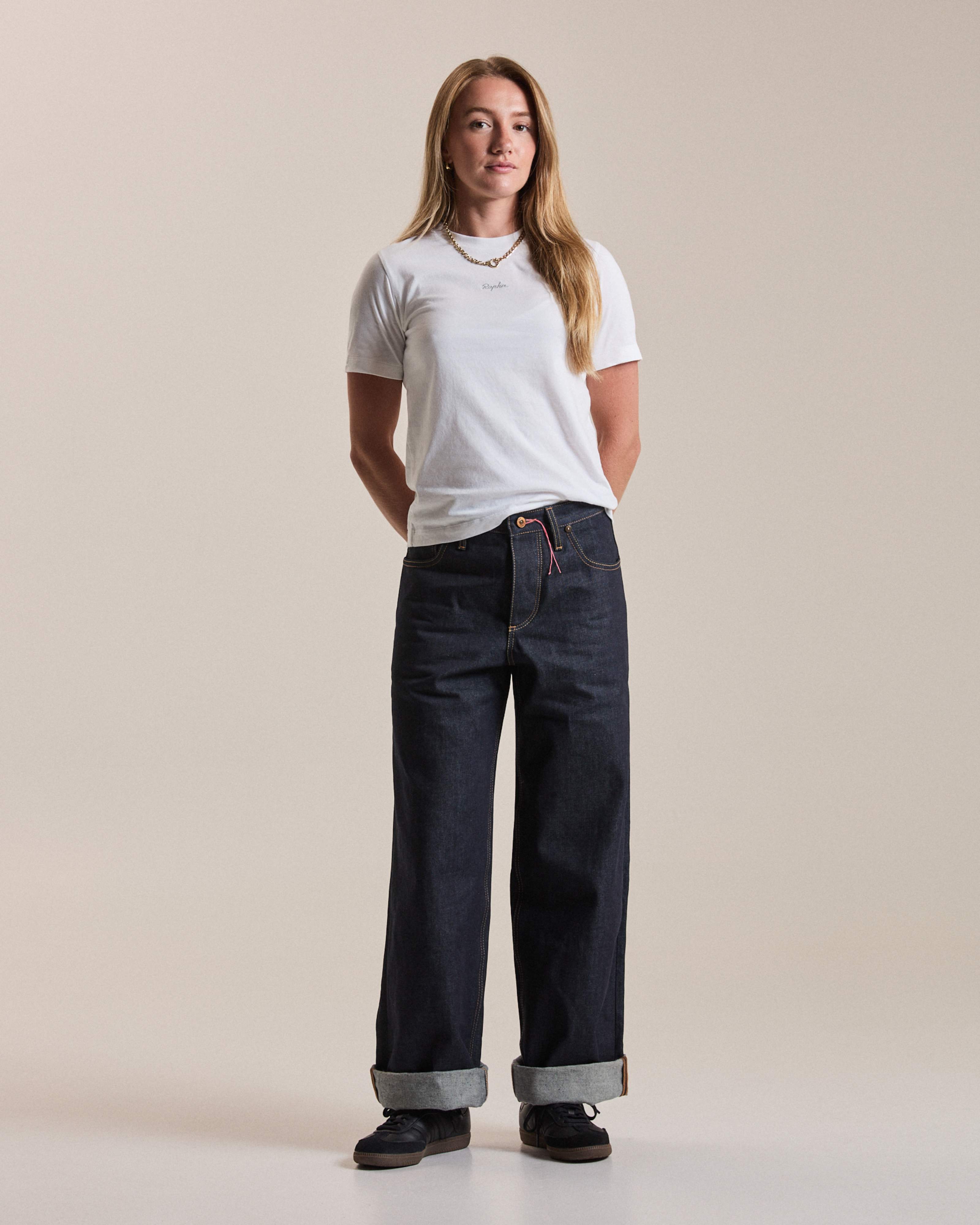
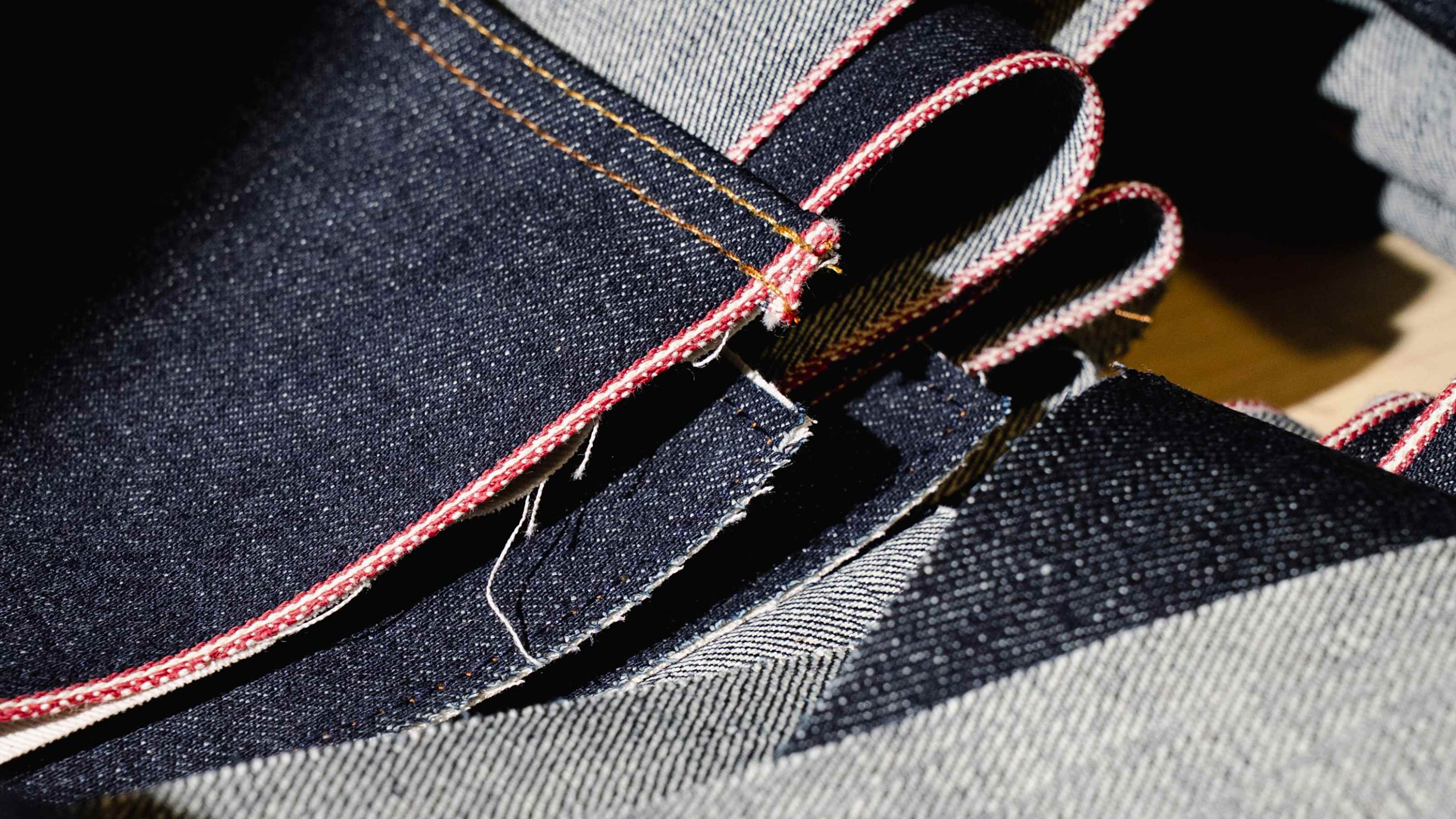
The Rapha + Hiut collaboration is an exercise in utility and craft. At its heart is raw 12.5oz selvedge denim from the storied Cone Denim Mill in North Carolina. Selvedge denim is woven on traditional shuttle looms, creating a durable natural edge that will not unwrap. It is denim made the hard way.
For the rider, the jeans combine Hiut’s craft with classic Rapha signatures. Details include a reinforced double belt loop engineered for riding, iconic pink rivets featuring the Hiut owl, and a bespoke leather patch. The most functional detail is hidden: a reflective Rapha script under the right cuff for high-visibility city riding. These raw jeans are designed to be shaped by your movement. They will not just last; they will record your history as a rider.
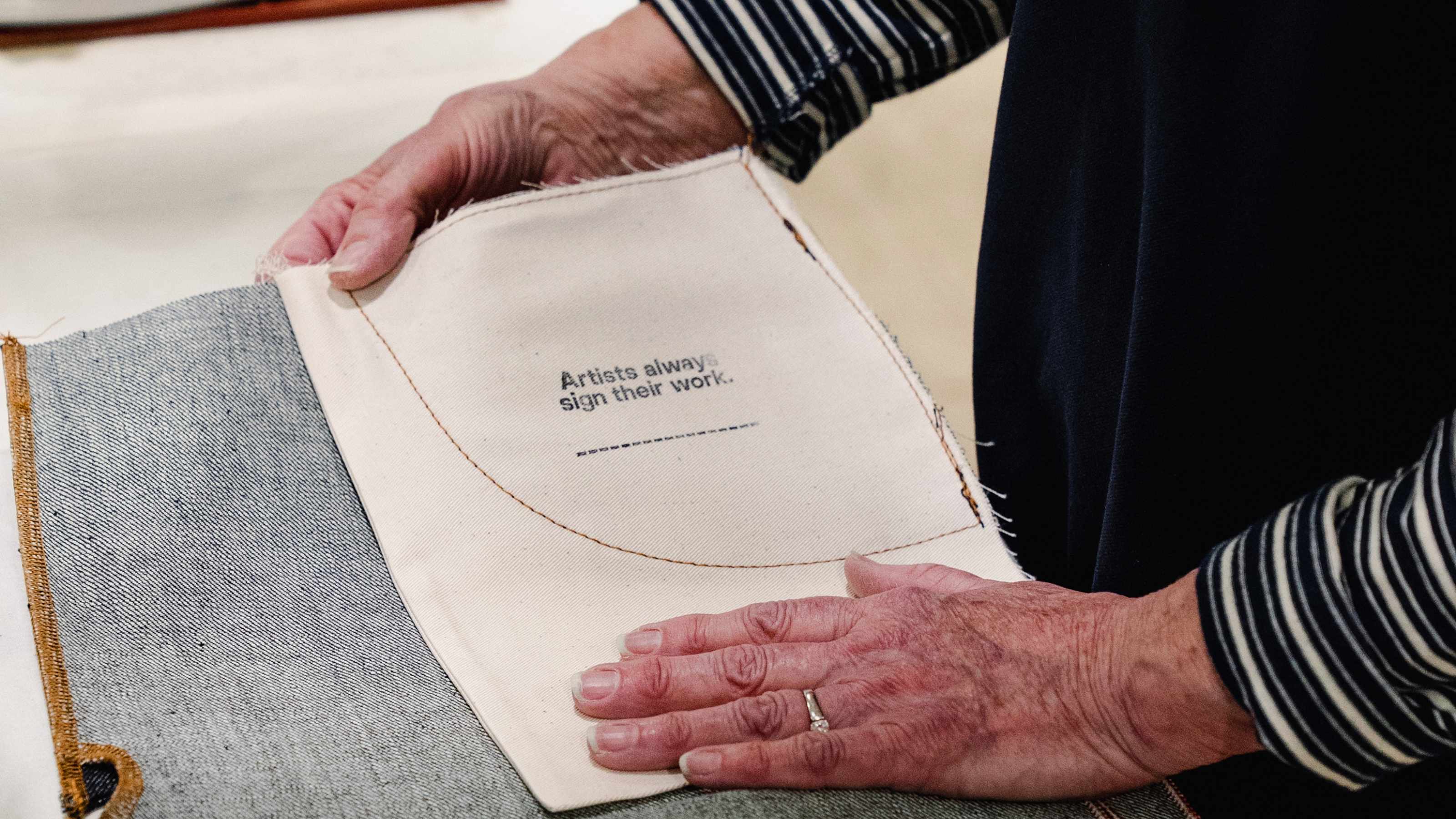
"Once you put your name to it, that's the quality. When you sign it, everybody knows you've done it. So it always has to be a high standard, especially when you've got your name on it."
- Jean Day, Hiut GrandMaster
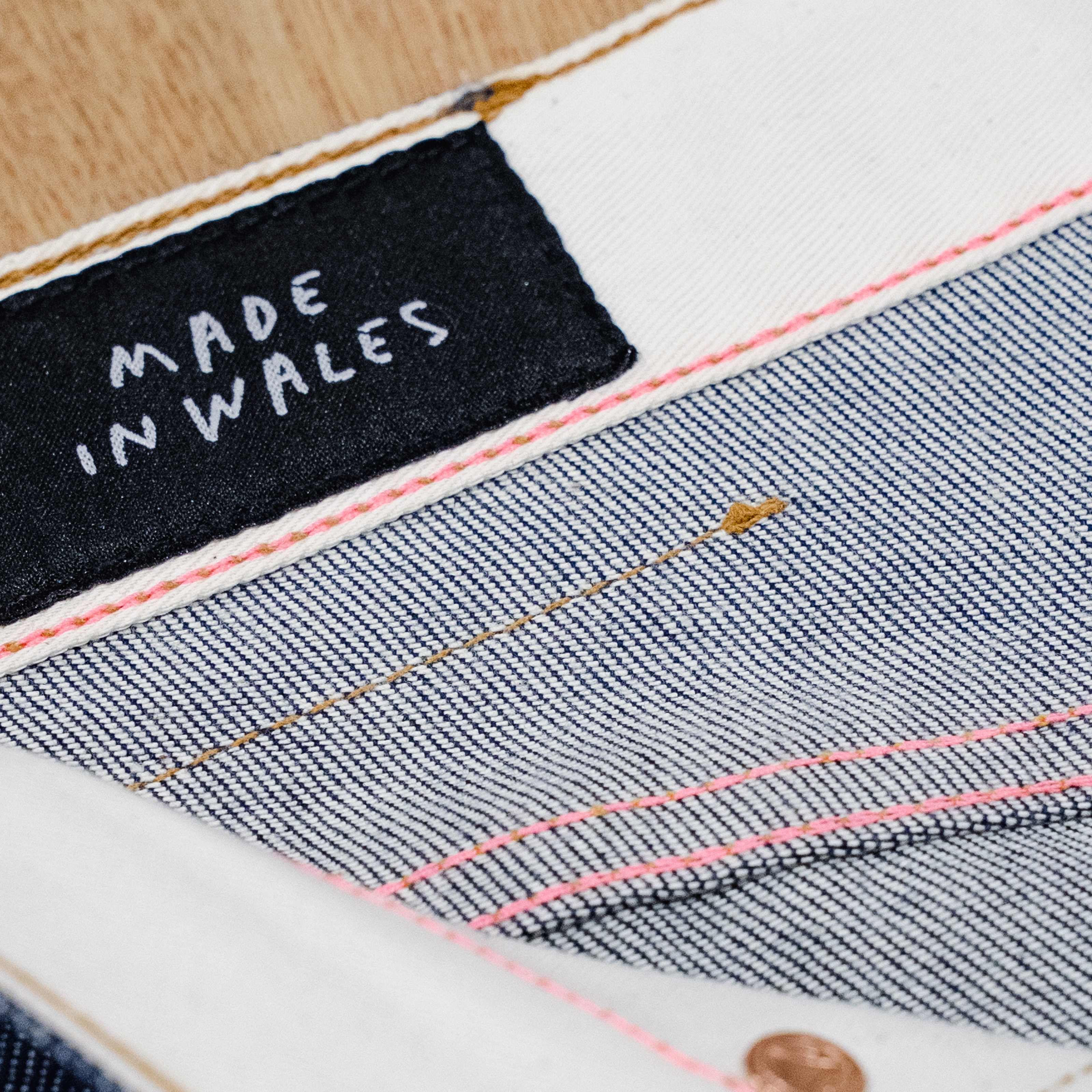
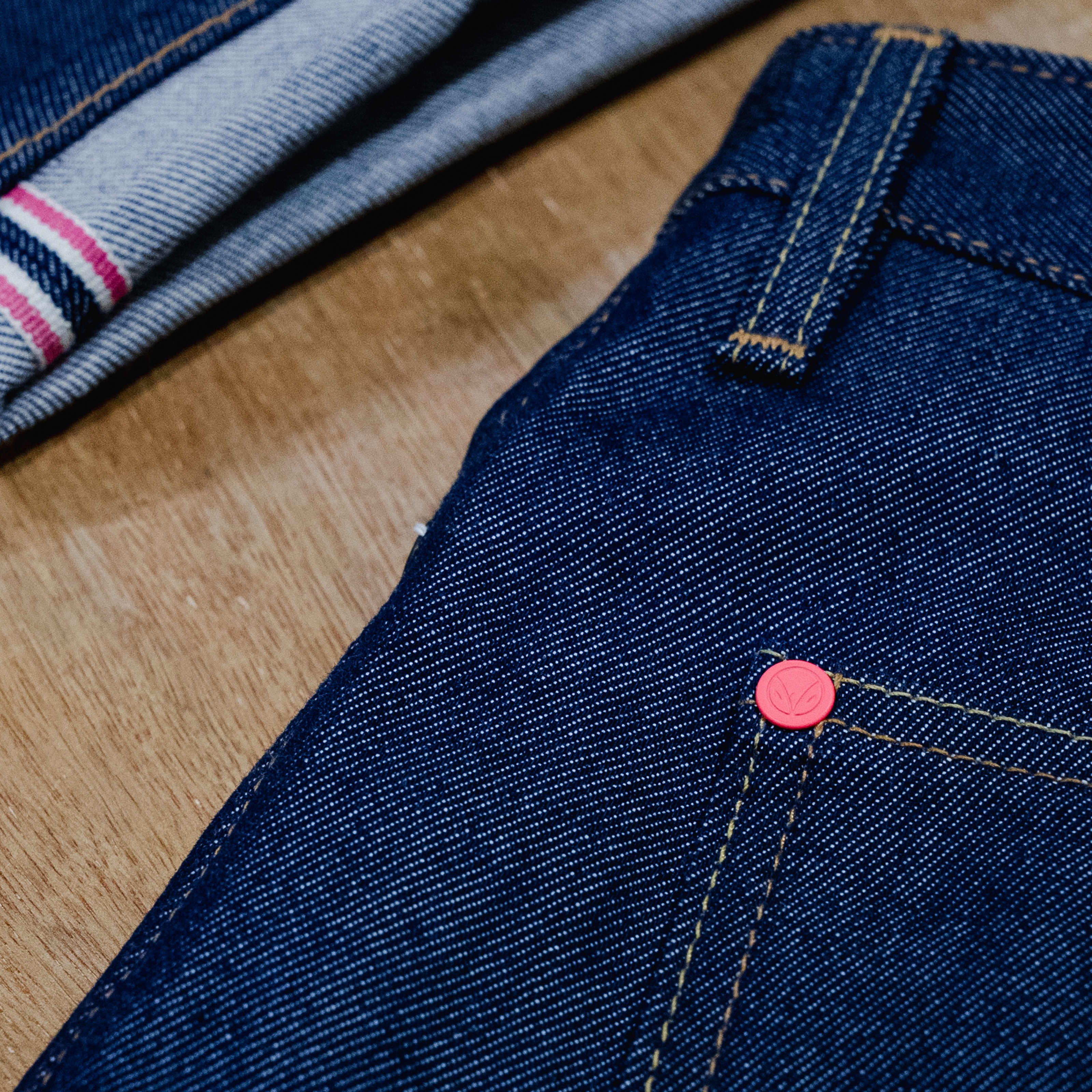
“We asked ourselves, ‘Why don’t we do repairs for life?’ I decided then that I would teach myself how to do them.” 10 years later, Paul Anderson is still repairing the well-worn jeans of Hiut customers
Where Hiut’s craft meets Rapha’s riding DNA, the focus is on longevity. This philosophy is underpinned by Hiut’s ‘free repairs for life’ policy. Whether you clip a pedal or wear through the seat after a thousand commutes, the jeans return to Cardigan to be patched by the team who first made them.
This mindset challenges the throwaway nature of modern fashion. These jeans are meant to be lived in, ridden in, and repaired.
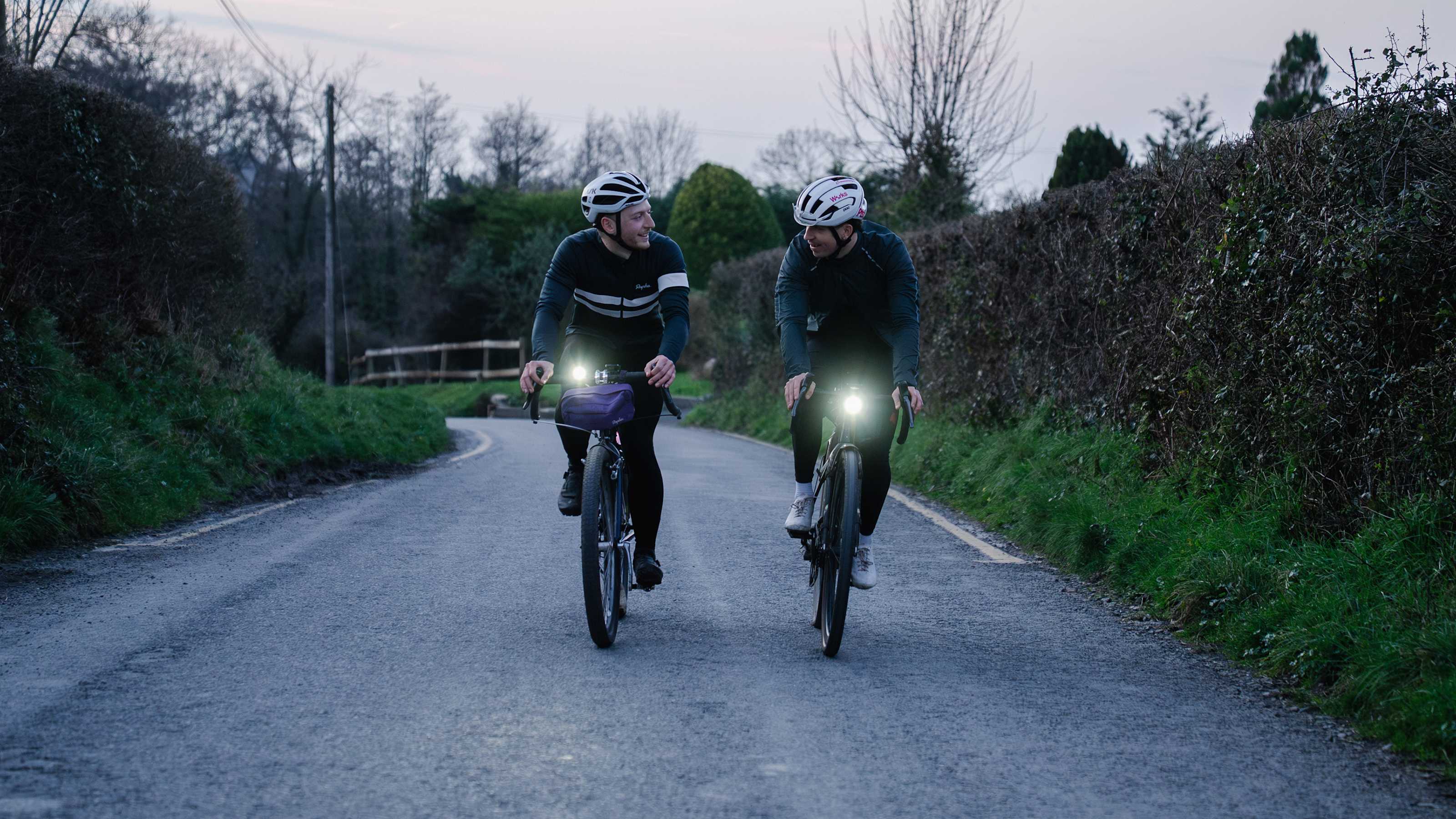
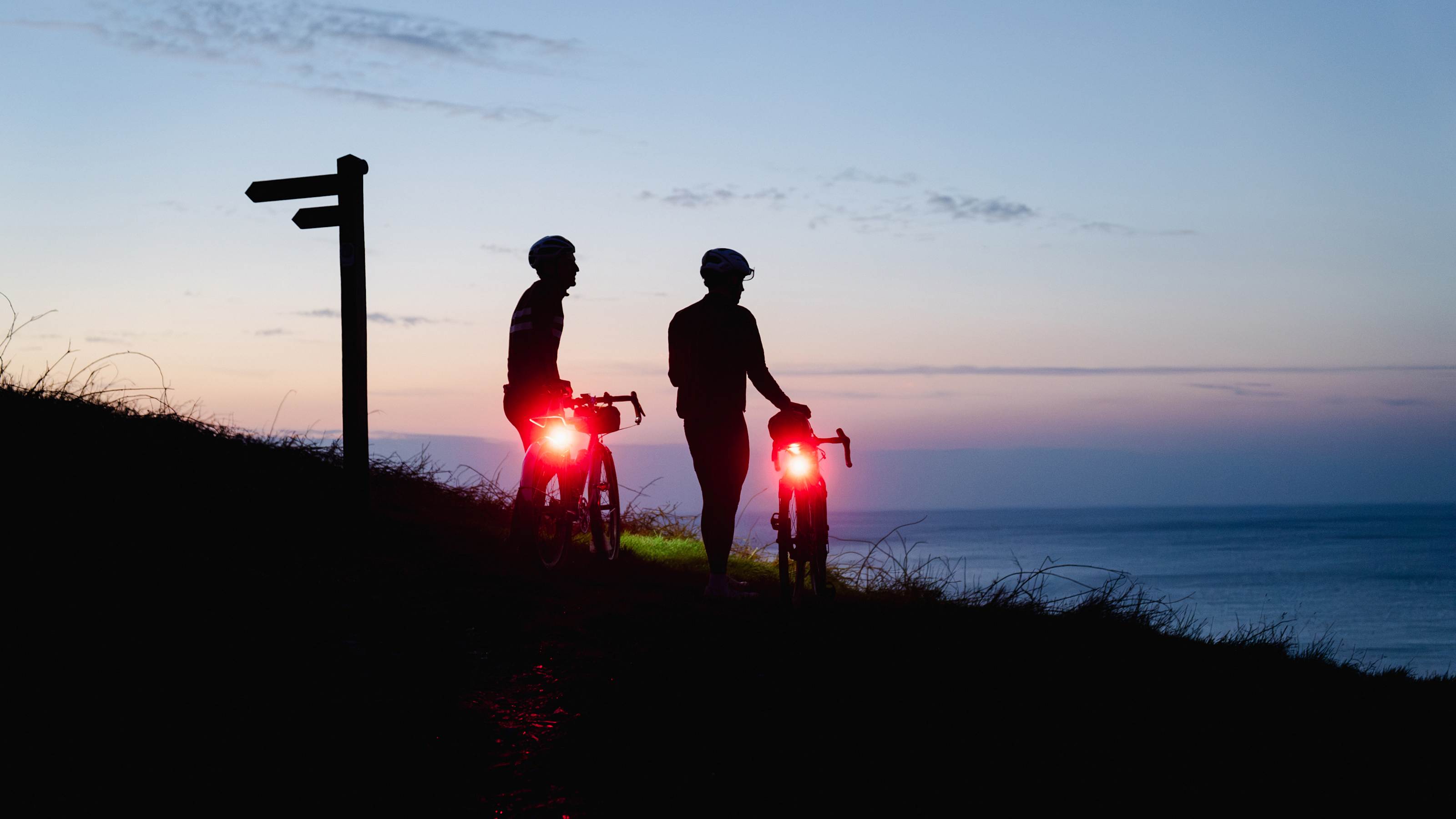
How do Hiut staff end the day? They head for the edge of the land. The third and final ride was a taster of what extra-curricular life at Hiut is like. From the factory, we tapped 20km to the sauna in Llangrannog. After work in March, that’s just enough time to get to the beach as the sun sets and blue hour descends. The downhill into Llangrannog, rewarded by the warm embrace of the sauna is something to come here for in its own right.
Exploring the rugged coastline is a daily ritual. Whether it is a final ride along the cliffs, a bracing plunge into the Atlantic, or a session in a seaside sauna, the connection to the elements keeps the creative fire burning. We rolled back toward town as the mist returned, legs tired but our belief in homegrown craft reaffirmed.
“If I had to sum it up in three words, it would be quality, craft, and utility.”
- Joe Arnold, Content at Hiut