Germany Cycling Guide
Discover the best cycling in Germany, from Berlin’s Teufelsberg and Munich lake loops to Black Forest climbs, the Taunus hills and the Mosel Valley.

Germany is a nation with a deep affection for the bicycle and a diversity of terrain on which to ride one. From the chilly flatlands of the Baltic coast, via the heavily forested central states to the pre-alpine hills of Bavaria and steep climbs of the Black Forest – there is plenty of excellent cycling waiting to be discovered.
The country’s up-and-down relationship with the sport of professional cycling – thanks in large part to the excesses of the 1990s and 2000s – means that international cycling fans are not used to watching bicycle races in Germany. Such events often provide a window into a nation’s cycling terroir for the wider world – what is the Grand Boucle but a very popular advertisement for the wonders of French road cycling? In Germany’s case, the result of not much international racing on its roads is a sense of ‘hidden treasure’ waiting to be discovered. Even German cyclists themselves can find plenty to surprise and delight when exploring fresh corners of the vast territory.
What follows, then, is a guide to cycling in Germany. By no means exhaustive, it aims to deliver a sense of the different parts of the country, starting of course with the two major cities in which Rapha has made a permanent home.
Berlin
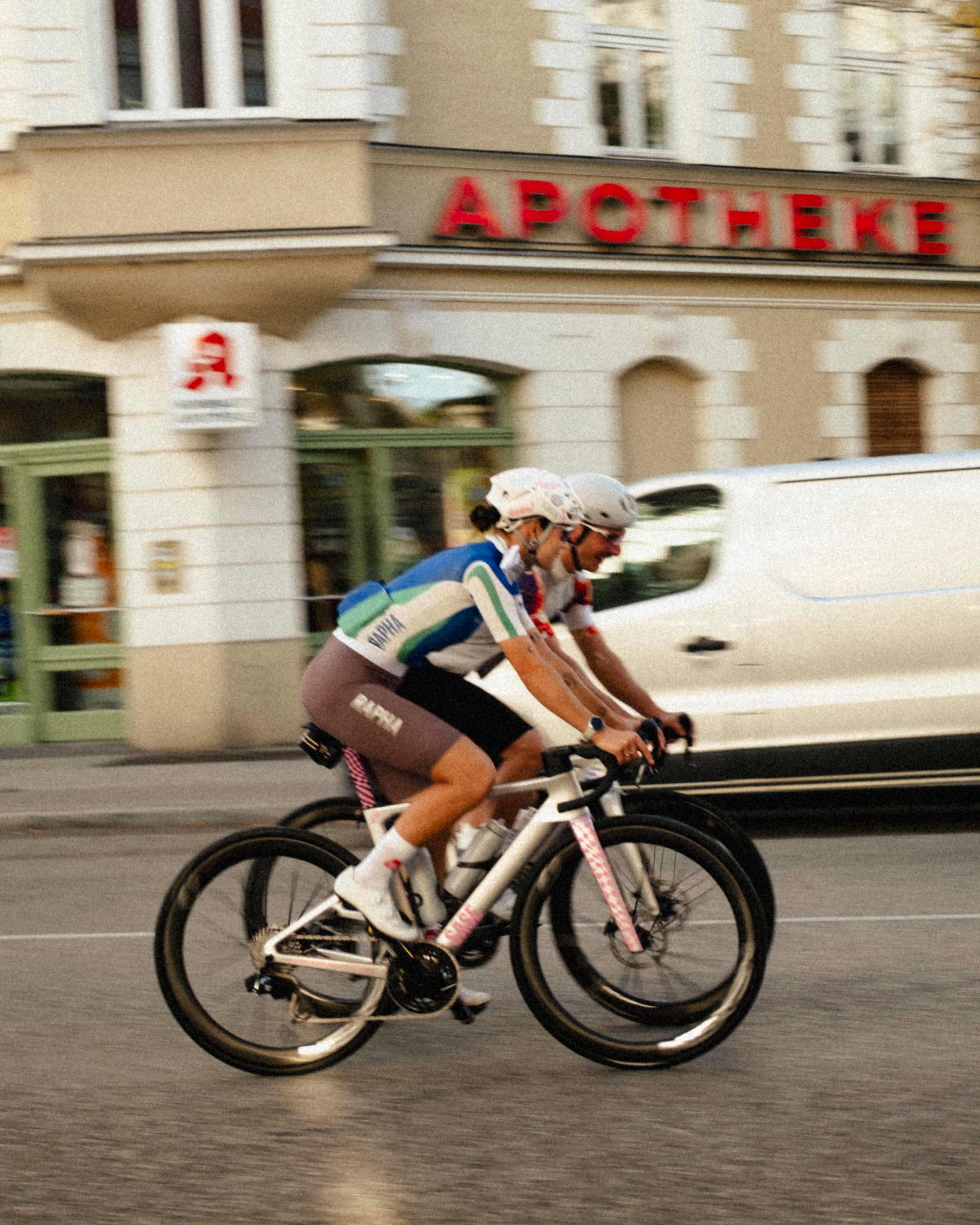
A capital city to rival any other in the world. Berlin may be steeped in 20th century history, but to visit it today is to experience a vibrant and contemporary metropolis. The Rapha Clubhouse opened in 2017 and has become a focal point for the local riding scene. Cycling in and around Berlin is typically fast and flat, with more difficulty presented by the persistent and powerful winds than by nearby climbs.
Berlin is situated in a famously flat part of Germany, so long alpine ascents are in very short supply. Teufelsberg is an artificial 80-metre hill in Grunewald built from wartime rubble and it is Berlin's best-known short, sharp effort. Expect to ride a few reps before you break the 1,000m mark, though. The summit was used during the Cold War as the site of a listening station and you can visit the abandoned buildings still there for a fee.
Pit Stops
We asked the Clubhouse squad in Berlin for some local insight:
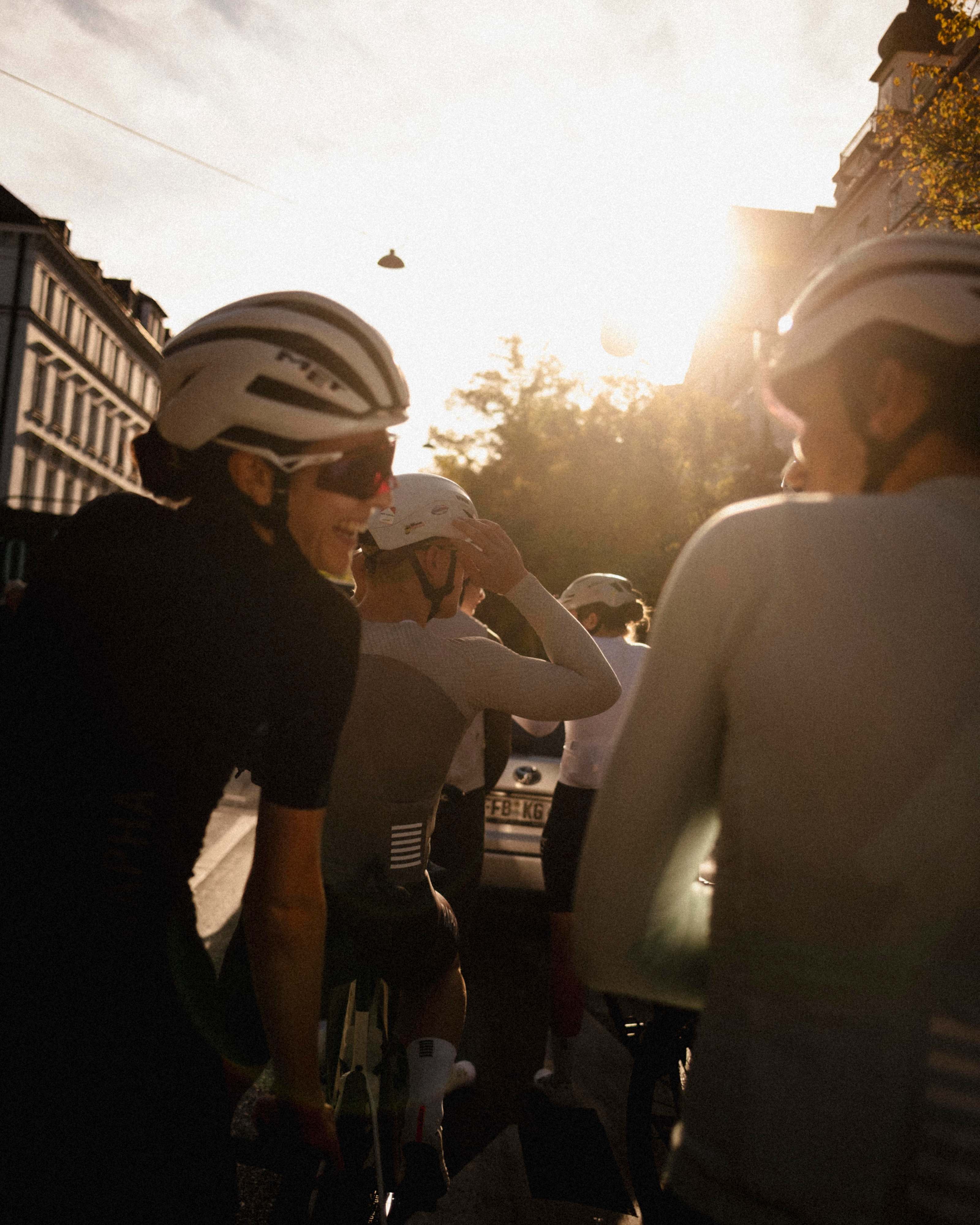
“Berlin has a vibrant coffee scene, but its riding culture is delightfully unpretentious. Alongside world-class specialty cafés scattered throughout Kreuzberg, Mitte, and Friedrichshain and any other area, the true local post-ride ritual can happen at the Späti (the ubiquitous neighbourhood kiosk on almost every corner). A quick, rustic stop for an ice-cold coke or an after-work beer on the curb is just as essential as a flat white. For the perfect espresso start or finish to any ride, make your way straight to the Rapha Clubhouse in Mitte.”
Routes
Riding laps of the Tempelhofer airfield is something of a Berlin cyclist’s rite of passage. No longer in use as an airport, the site is surprisingly close to the centre of the city and just seven kilometres from the Rapha Clubhouse. The old terminal building still stands, once described by UK newspaper The Guardian as “a magnificent and compelling enigma”. It is a popular destination for non-biking tourists as well as those keen to get in their daily interval sessions. As a result, most local riders avoid the place at weekends, instead using it as their go-to for a fast focused workout on the way to or from the office.
For a longer ride and to punch out of the city’s limits, escape central Berlin by going west from the Rapha Clubhouse, through Tiergarten and head for the historic Grunewald forest and Potsdam. The Grunewald Tower is a popular place to stop – either for a quick photo or a drink in the nearby beer garden. Once you’re free of Berlin’s built-up area, you travel through the Düppeler Forst before reaching the small city of Potsdam which is sometimes characterised as Berlin’s little brother. From there you can ride along the banks of the Templiner See, cross via an old-school cable ferry, and return on the opposite side of the water. At 85km and virtually flat, this is a fun, fast ride that shows much of what the German capital has to offer.
Munich
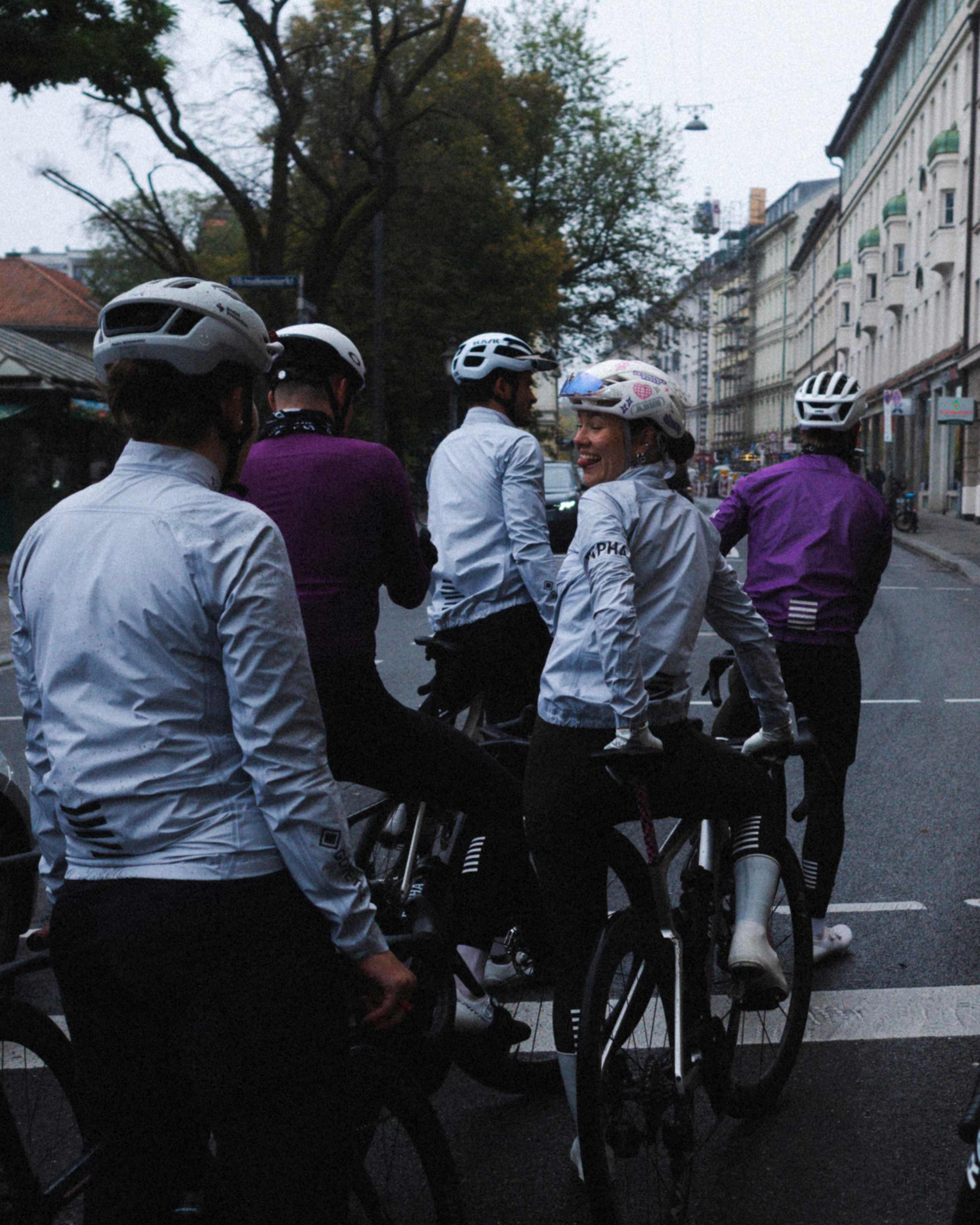
Rapha’s second German Clubhouse location, Munich, is the largest city in Bavaria, situated within reach of some of the country’s best climbing roads. To the south, the pre-Alps act as a German-themed overture before giving way to their Swiss and Austrian elder siblings, while scenic towns and villages litter the country in every direction.
Routes
The Perlacher Forst loop is an all-timer in the collective route repository of Munich’s road cyclists. At 56 kilometres and 360 vertical metres, it's a decent leg-stretch perfect for recovery days. It leaves town on a purpose-built bike path that cuts a straight-line swathe through the forest’s deepest sections. If you’re doing this on a road bike, you will dip out of the forest briefly and skim the edge of Oberhaching – a rural commuter community – before plunging back into the trees as you head for the Isar River gorge at Dürnstein. Although you have been consistently gaining altitude gradually up to this point, the climb out of the gorge to Schäftlarn is the first and only time the gradient really bites along this route. As well as its Olympic history, Schäftlarn Abbey, first established in the eighth century, sits at the bottom of the climb. At Wangen, you join the Olympiastraße cycling route and can drill it all the way back into the city with a gentle downhill gradient to help keep the wheels moving.
A loop of Lake Wörthsee is a big day out, during which you can enjoy views of the Alps on the horizon and the brilliant blue waters of the lake itself. From the Rapha Clubhouse in Munich, the loop is 112 kilometres with 600m of ascent. Start off heading south-west out of Munich, tracking the east bank of the river Würm as far as the town of Gauting. Cross the river there and be prepared for a short, sharp punch up to Königswiesen; it’s only a kilometre, but it has some steep gradients in the lower double figures. From here the main climbing portion of the ride begins with a steady ascent to the ride’s highest point. A good portion of the ride to the lake is on dedicated cycle paths. At Erling, choose between the full tour around the western side of the lake, or head north and cut off about 10 kilometres from the day’s total. From the northern end of the lake you can look back across the water and see the silhouette of the Alps looming in the distance. The ride back toward Munich is largely rolling terrain and see you enter the city via the Kreuzlinger Forst.
Other places to go cycling in Germany
Cycling in Germany is not confined to these two cities alone. Far from it. Wherever you go in the country, and whatever bike you choose to ride, there’s something for everyone, and there's so much to explore that you might never see it all.
Frankfurt & Eschborn
Famous for hosting ‘the German classic’, Eschborn-Frankfurt, these two closely-linked towns sit in the German state of Hesse. The race route has historically been a winding, loopy affair in the substantial Taunus mountain range north-west of Eschborn, with a flat finish in the centre of Frankfurt itself. A typical winner is a punchy, climbing classics-specialist. For an amateur rider, the roads around Hesse provide a good test of one’s climbing legs – with the Feldberg the tallest at 857m. The state is one of the most forested in Germany and as a result there are a lot of extra routes to explore with a gravel bike: fire roads, MTB trails and dedicated bike paths.
The Black Forest / Schwarzwald
In the south-west corner of the country is the world-famous Schwarzwald National Park. This region borders Switzerland, and unsurprisingly Black Forest cycling presents plenty of opportunities to pack in some climbing miles. The Kandel pass is the region’s definitive ascent – sometimes nicknamed the Alpe d’Huez of the Black Forest – and is best tackled from the town of Waldkirch. Freiburg is the city most visiting cyclists base themselves, having become a kind of unofficial centre for Black Forest bike adventures. Check out Bächle at 38 Friedrichring for a pre- or post-ride coffee stop.
The Mosel Valley
With its source in France and helping to form the geographic border between Luxembourg and Germany, the Mosel (or Moselle) river valley is famous for the white wine grown in vineyards beside its banks. There has been viticulture in the valley since the 5th century BCE and there are some precipitous banked vineyards that date as far back as 2,000 years. The area’s slate-heavy soil absorbs daytime heat and releases it slowly during the night, which adds a spicy, mineral-like flavour. Grand cru wines from the region are noted for their exceptional delicacy and lower amounts of alcohol. While the valley is a lesser-known destination for bike riding, the beauty of the German section as the Mosel flows down to meet the Rhine is undeniable. The routes are generally a little more laidback than other regions we’ve mentioned – and that may be a good thing if you plan to sample the local vintages along your way.
The Rapha Guide to Layering for Ever-Changing German Weather
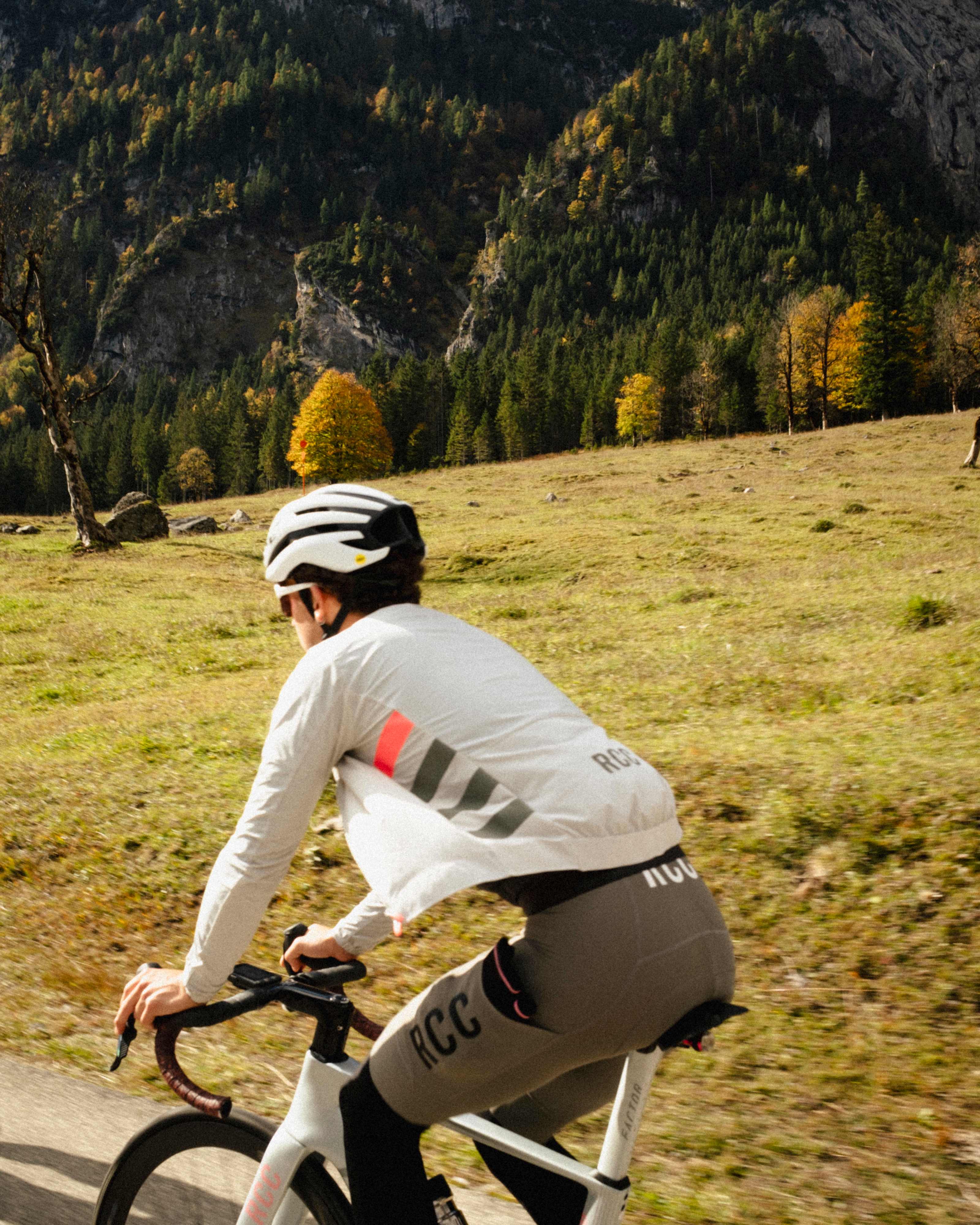
There’s a famous saying in Germany: “Du bist doch nicht aus Zucker”. It means, ‘you are not made of sugar,’ and it’s most often employed to express the sense that one will not be harmed by going out in the rain. Interpreted more literally, it means you won’t melt if you get a little bit wet. With heavily variable climate conditions in Germany across a very large and geographically diverse country, German riders are used to cycling in the rain, the wind and even the snow. The secret to doing so comfortably in all conditions is layering.
Berlin winters are consistently cold, while the height of summer can see temperatures as high as 39°C. Cities in the east tend to get less rain per year than those in the west, but wherever you are riding, it pays to have multiple pieces of kit you can take off and put on as the situation dictates.
Best Rapha jacket for cycling in the rain
The Pro Team GORE-TEX Lightweight Rain Jacket II combines Rapha’s unrivalled cycling insight with the flagship technology of the world’s leading outdoor protection manufacturer. Constructed from lightweight three-layer Black Diamond-certified GORE-TEX fabric, it keeps you protected for your whole ride, meeting GORE-TEX’s own high waterproofing standard of over 28,000 millimetres water column. The fabric is a featherweight 58gsm.
Similar in its level of waterproof protection, the Brevet Lightweight GORE-TEX Jacket is another fantastic option. It differs mostly in the cut – it is designed to accommodate fully-loaded jersey pockets and minimise stopping time – to reflect its place in our long-distance, endurance Brevet line.
Both of these jackets are entirely free of PFAS.
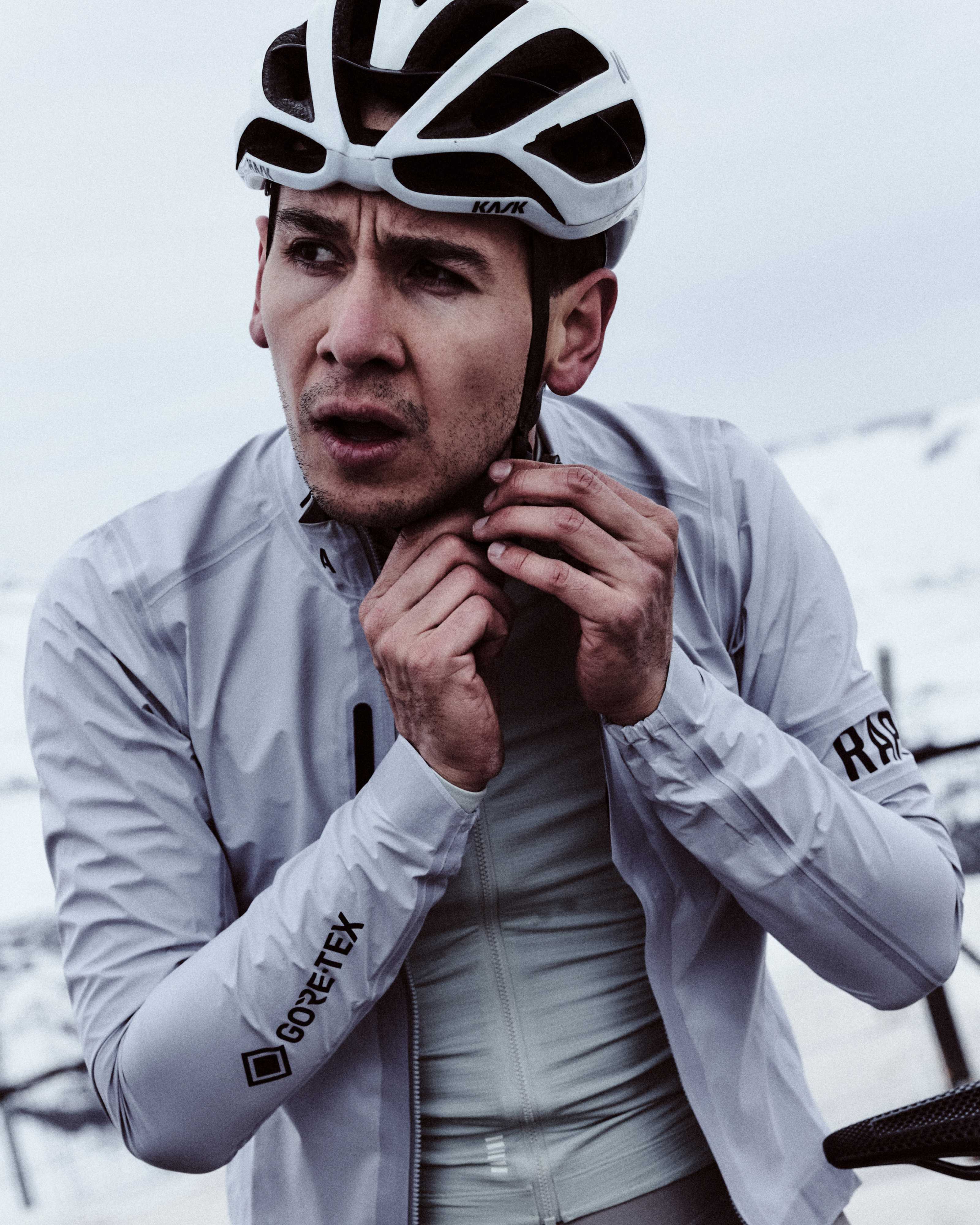
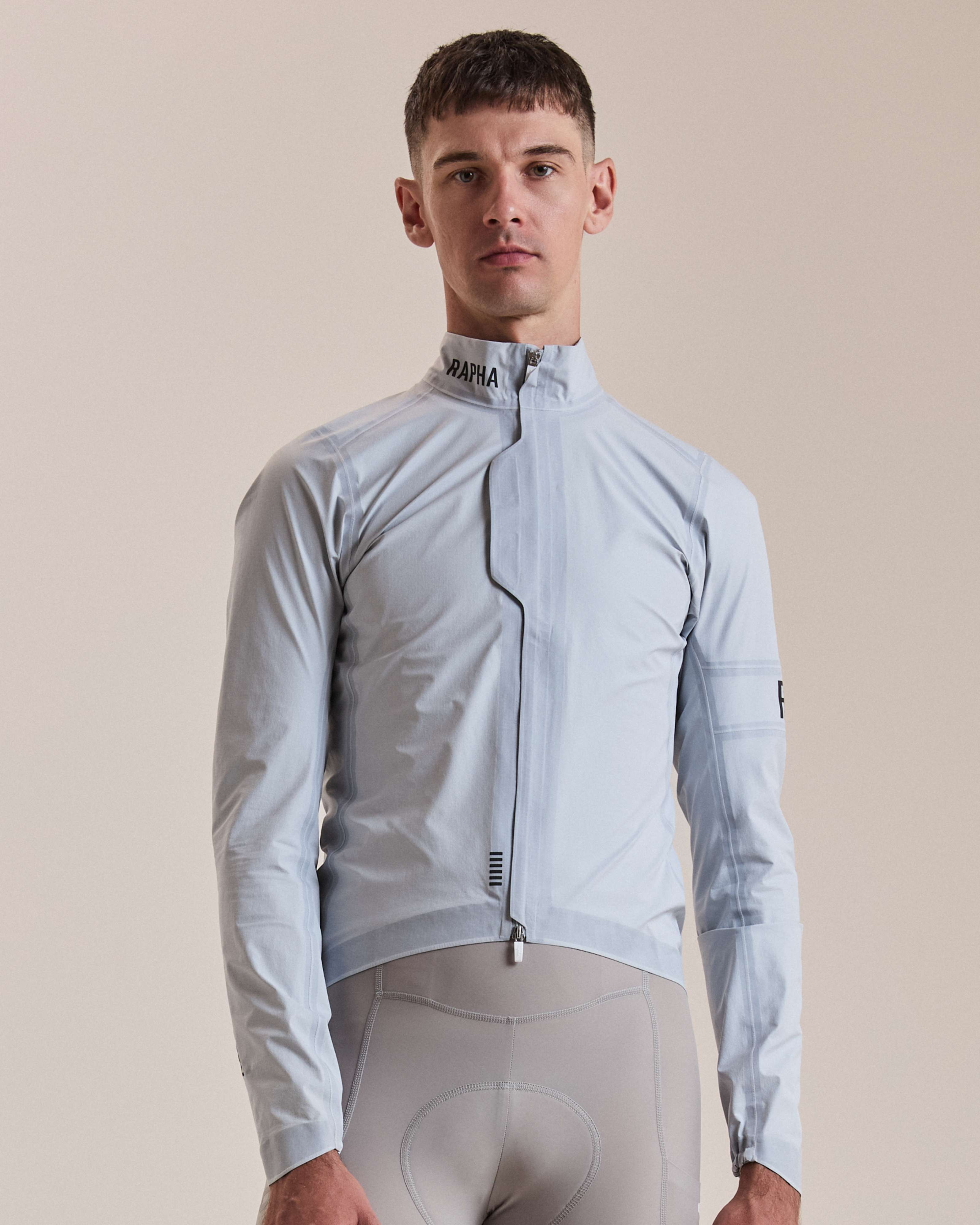
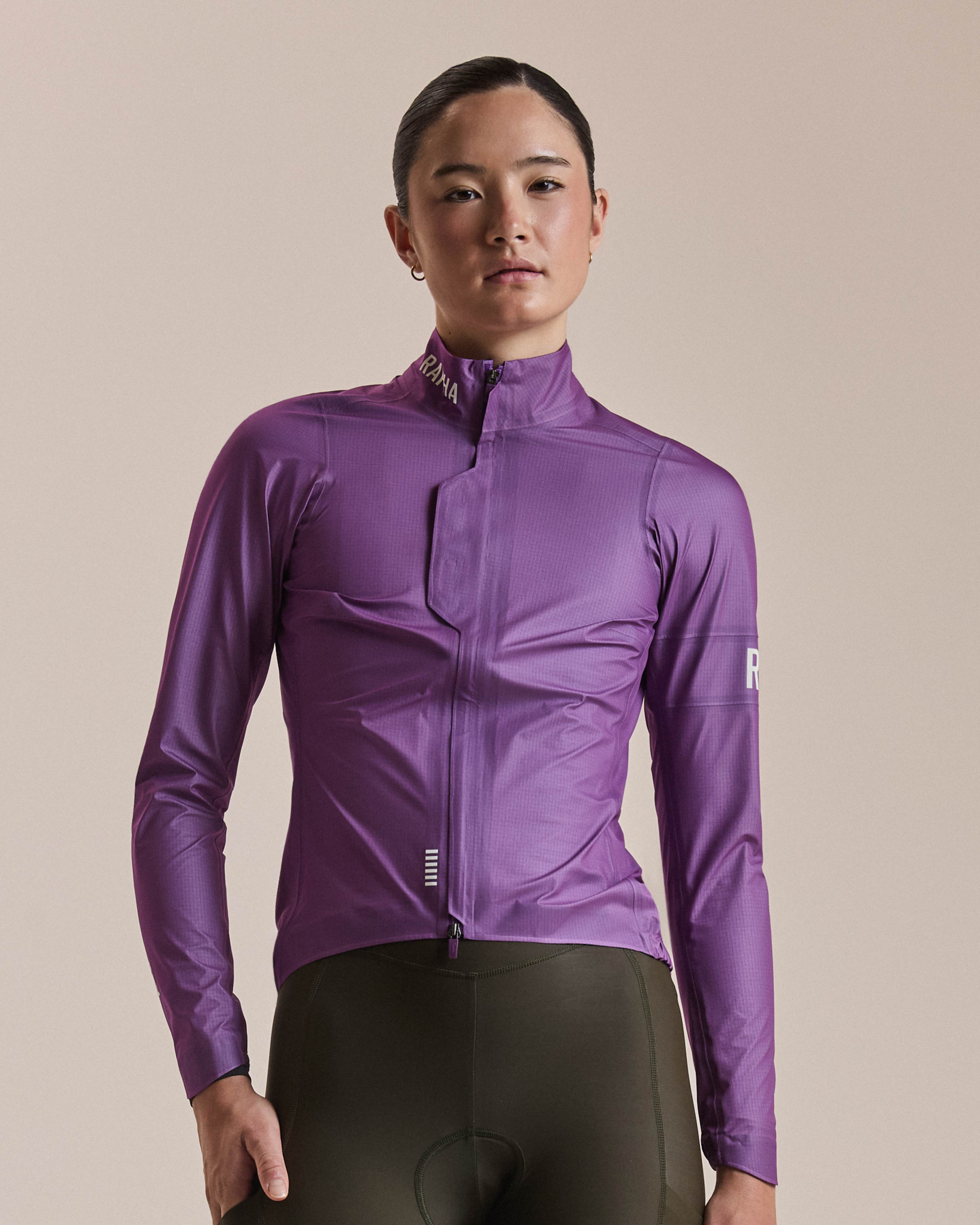
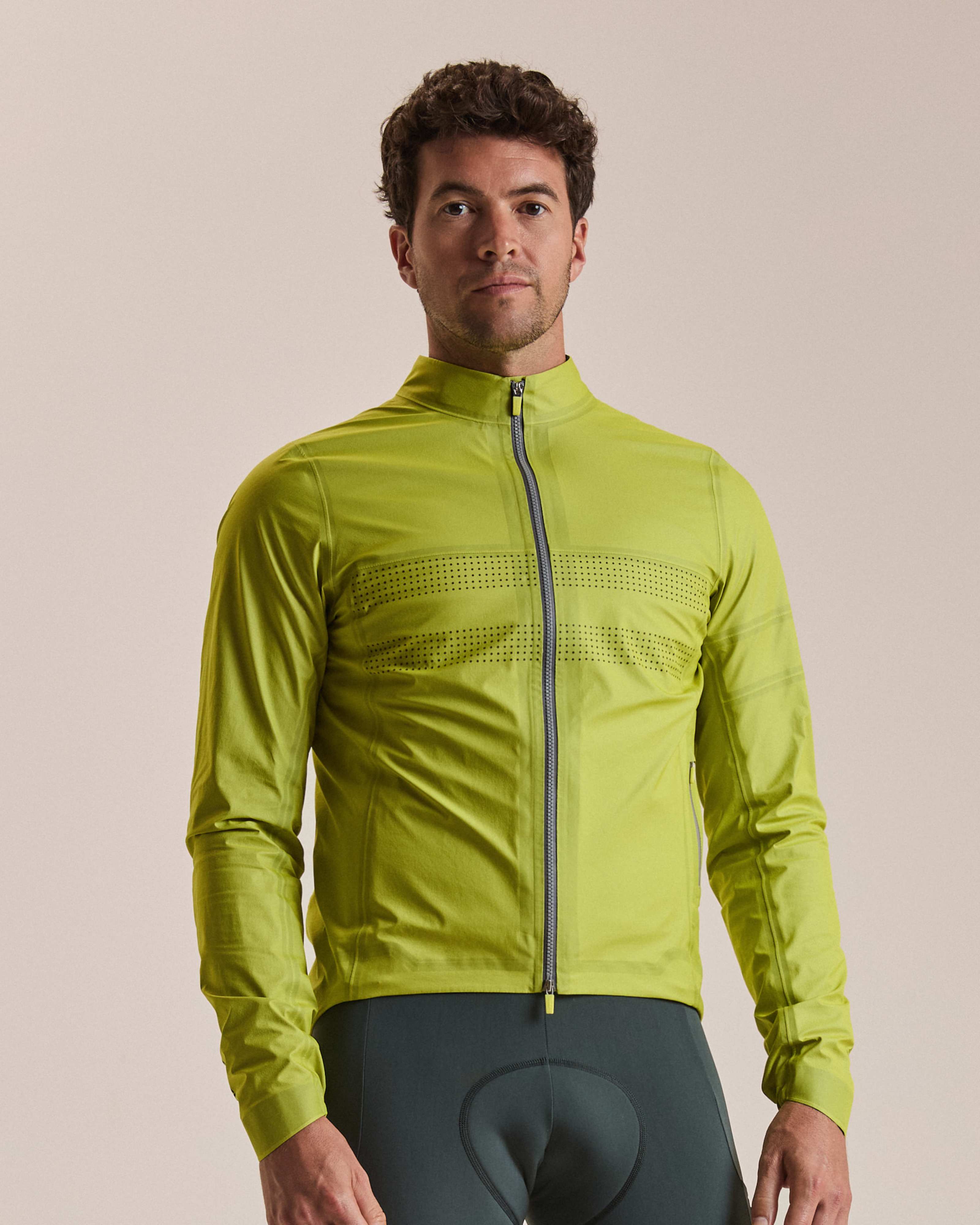
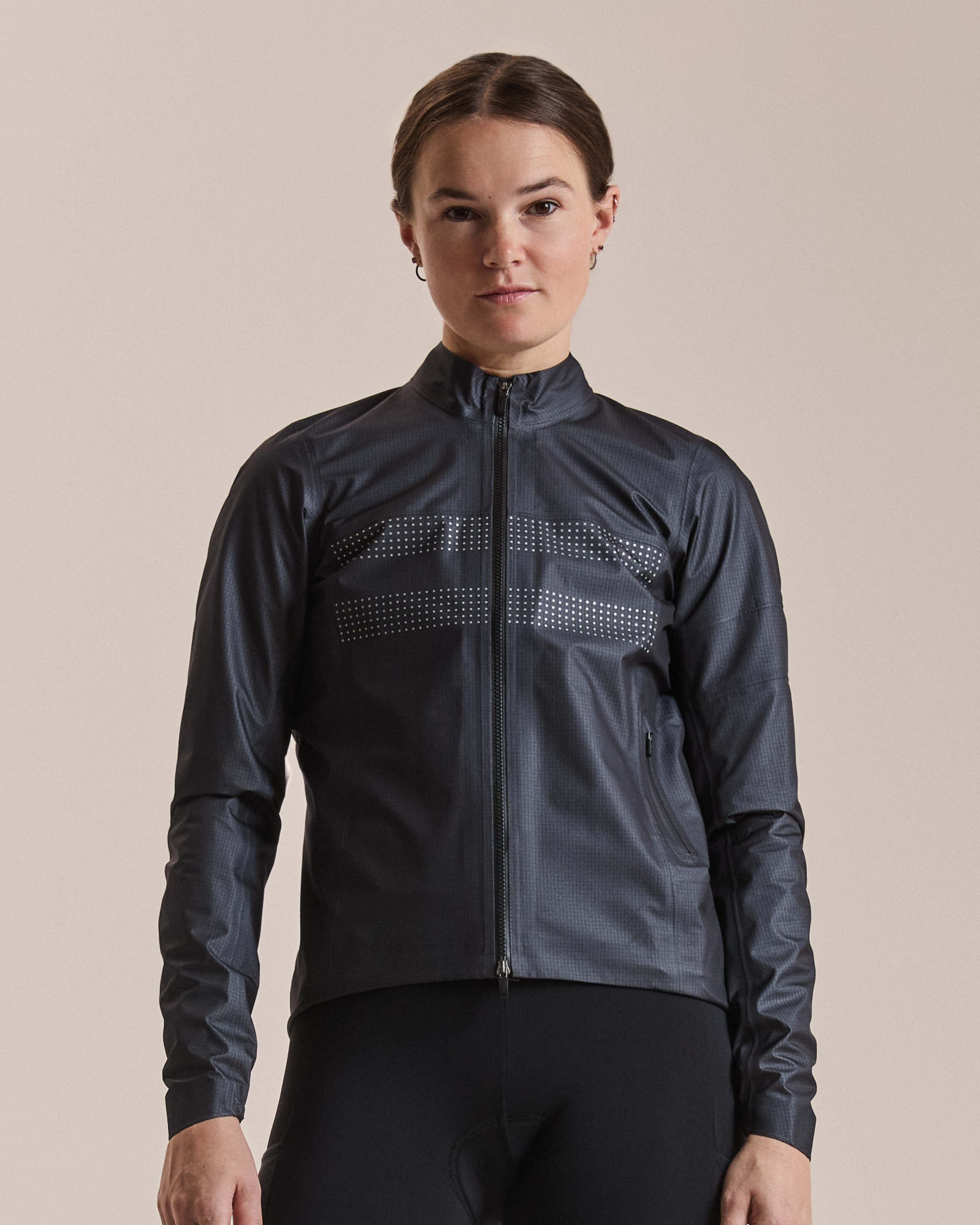
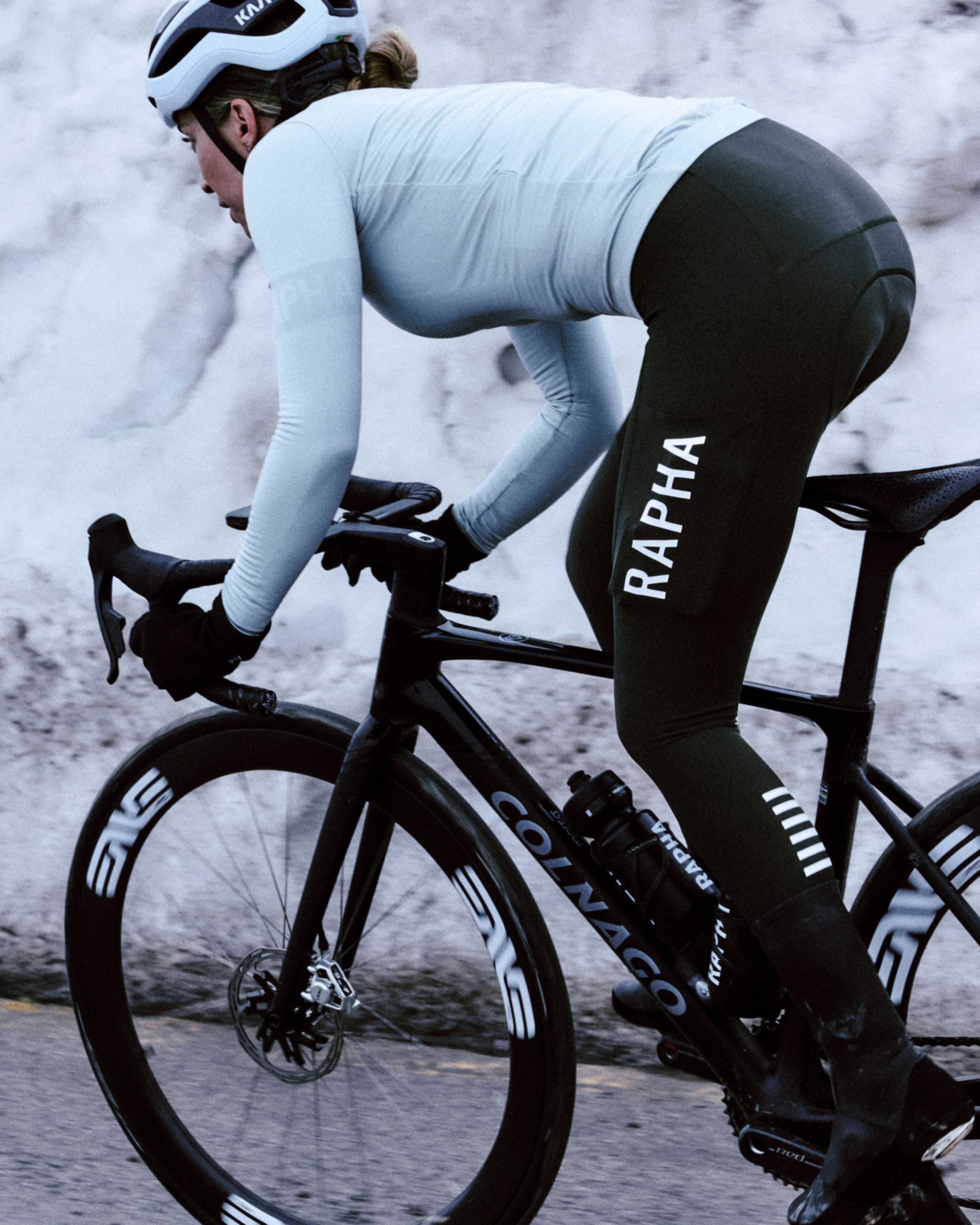
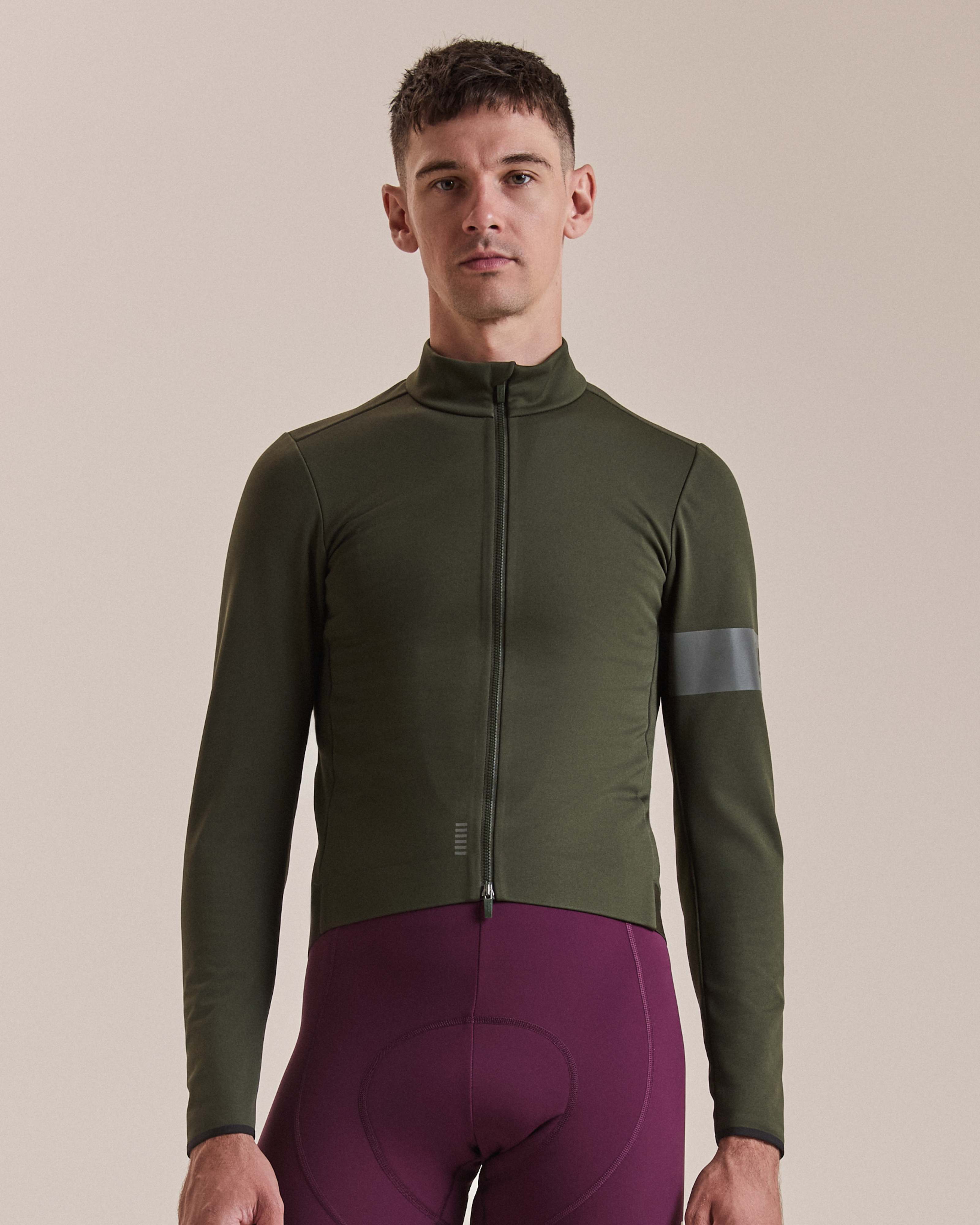
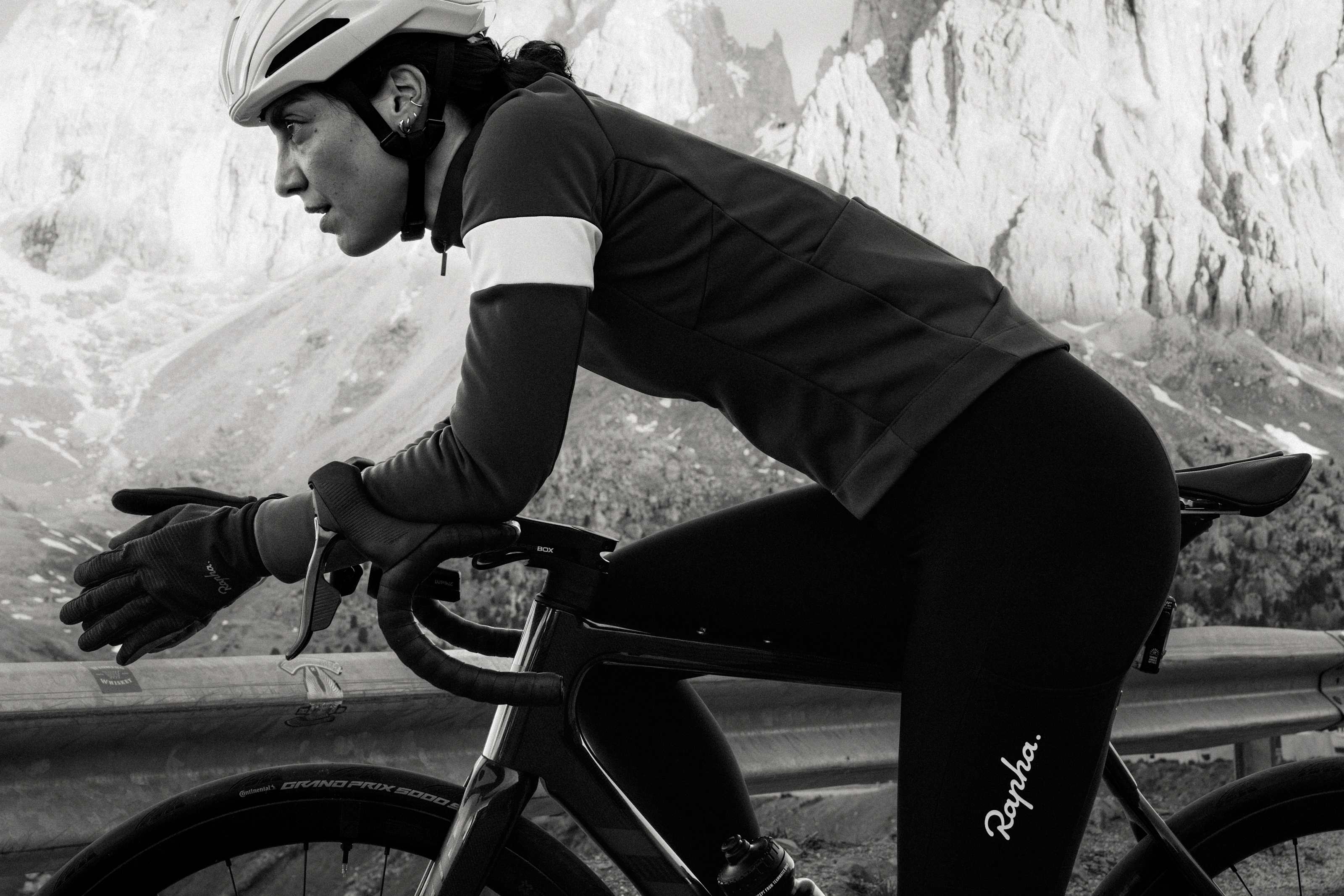
The Pro Team Thermal Jacket is a high-performance winter garment for long training sessions in the colder months. It works first and foremost to keep you warm with a wind-blocking membrane on the front face, shoulder and arm fabrics – but it’s also coated with C0 DWR protection to keep out the elements. A two-way zipper lets you control airflow in and out when you’re in the middle of a tough effort.
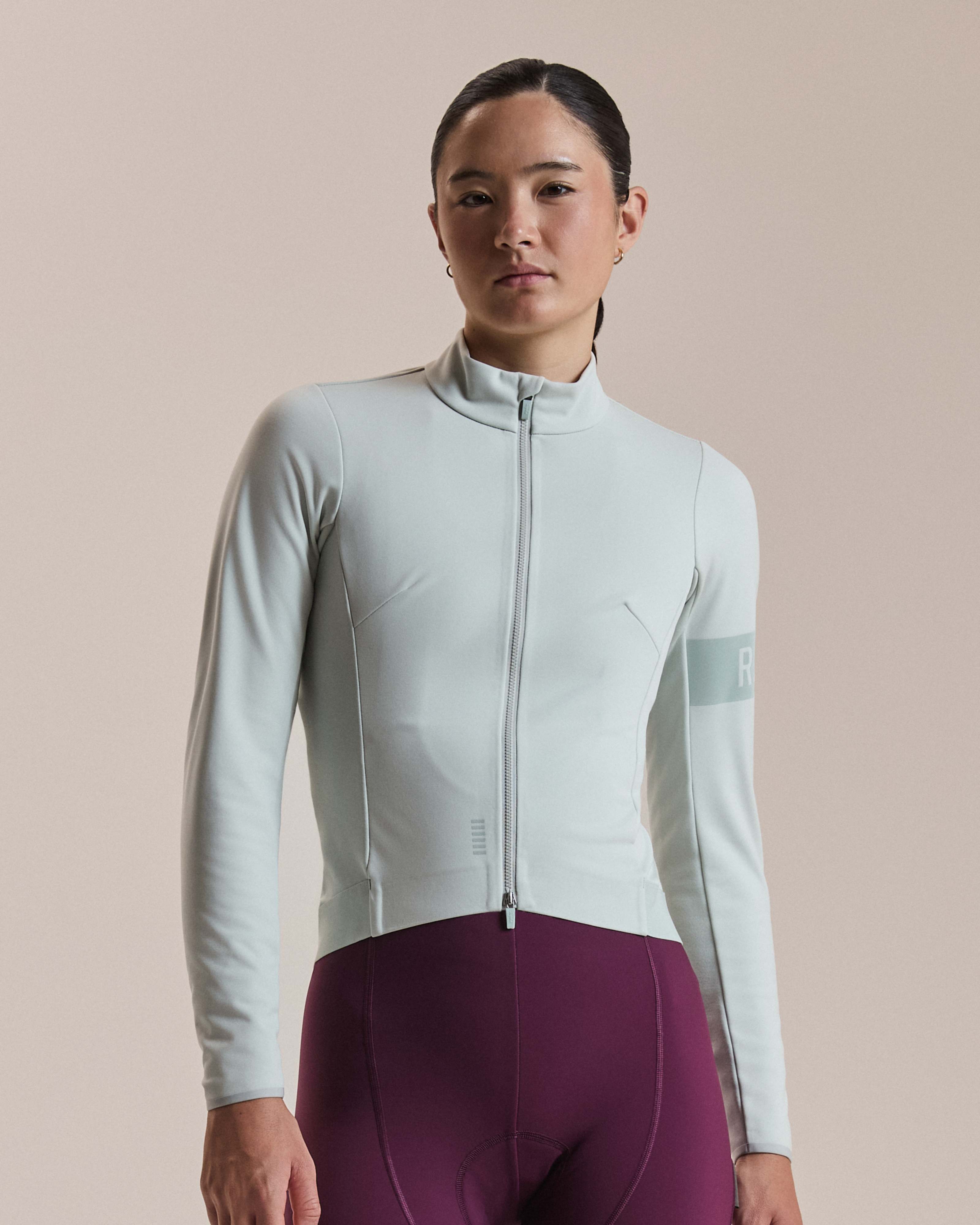
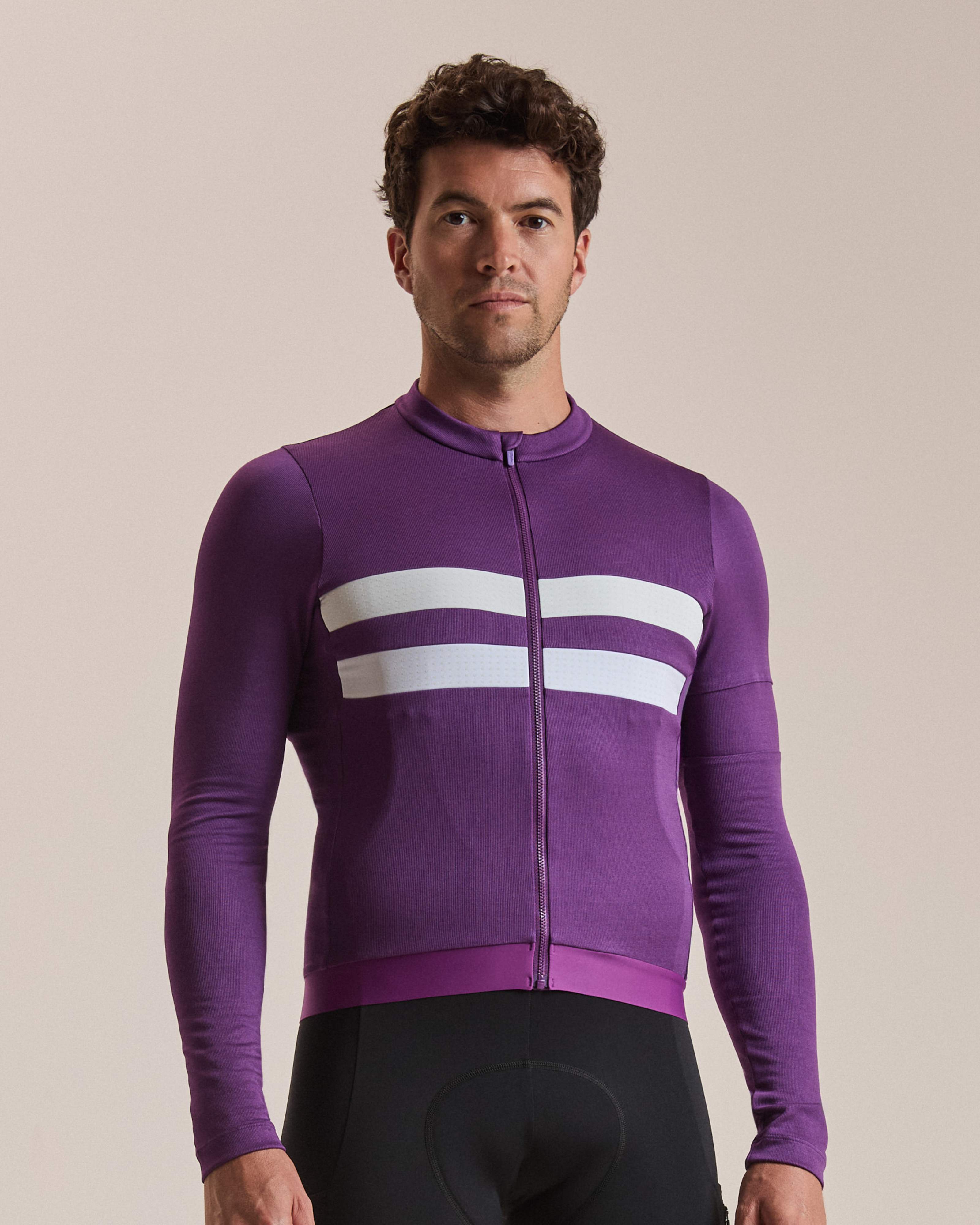
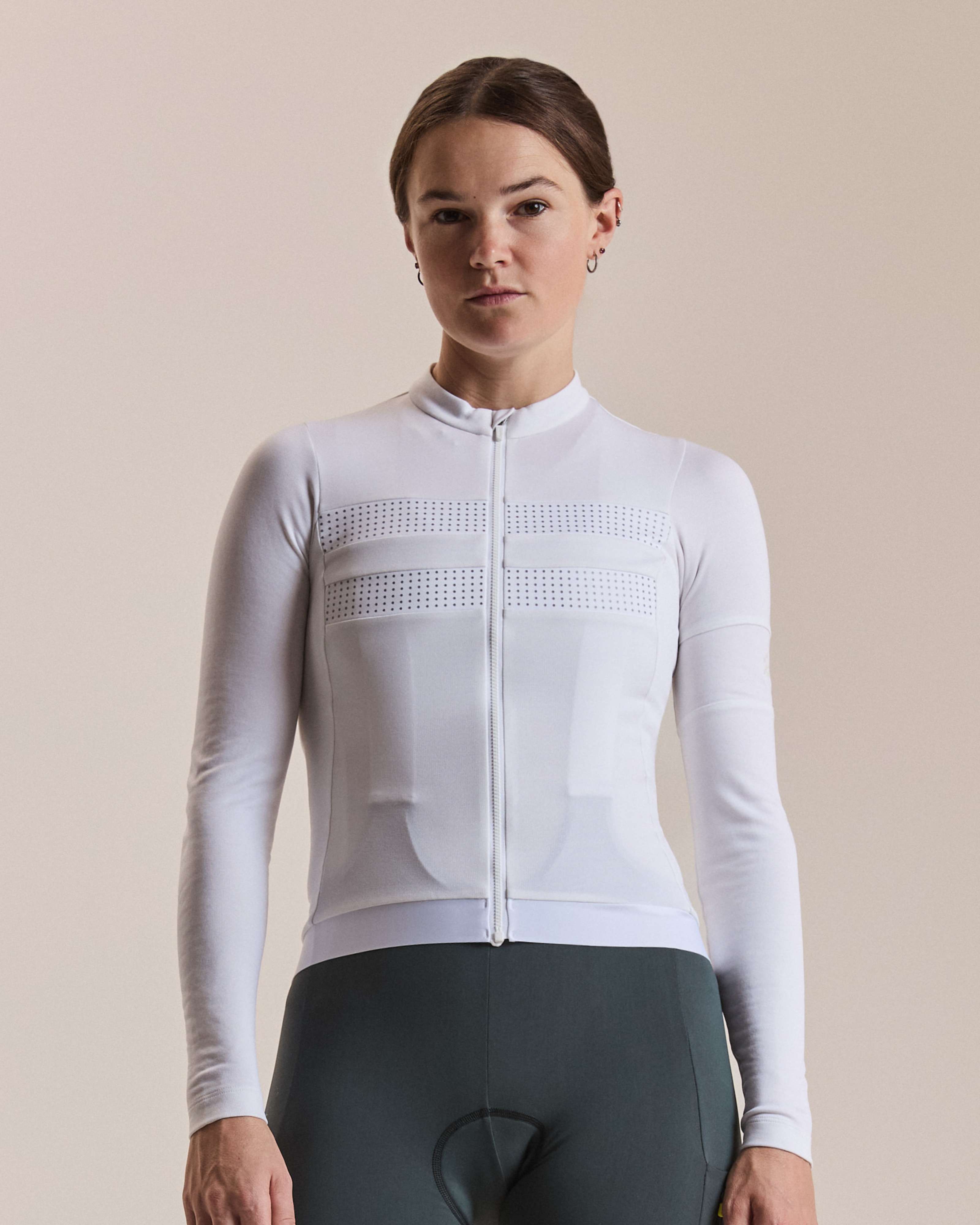
Depending on the temperature and expected conditions, you might use the Brevet Merino Long Sleeve Jersey III under your jacket, or on its own. Merino is an excellent technical material for performance apparel because it balances thermoregulation with softness next to the skin and antimicrobial properties. We use our own Rapha Performance Merino (RPM) in this garment, balancing the best of natural merino with enhancements from man-made fibres.
In extremis: keeping your hands and feet warm while cycling
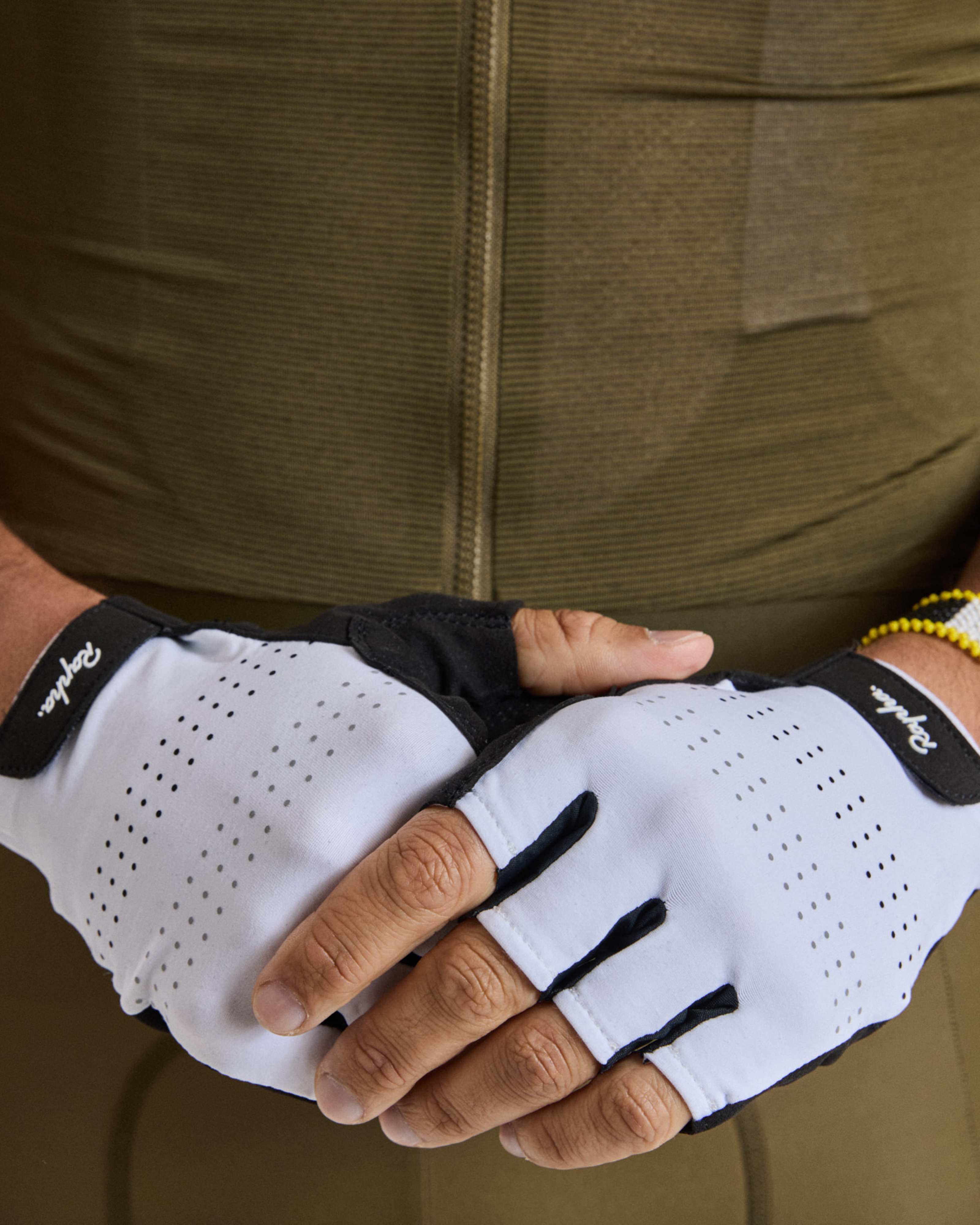
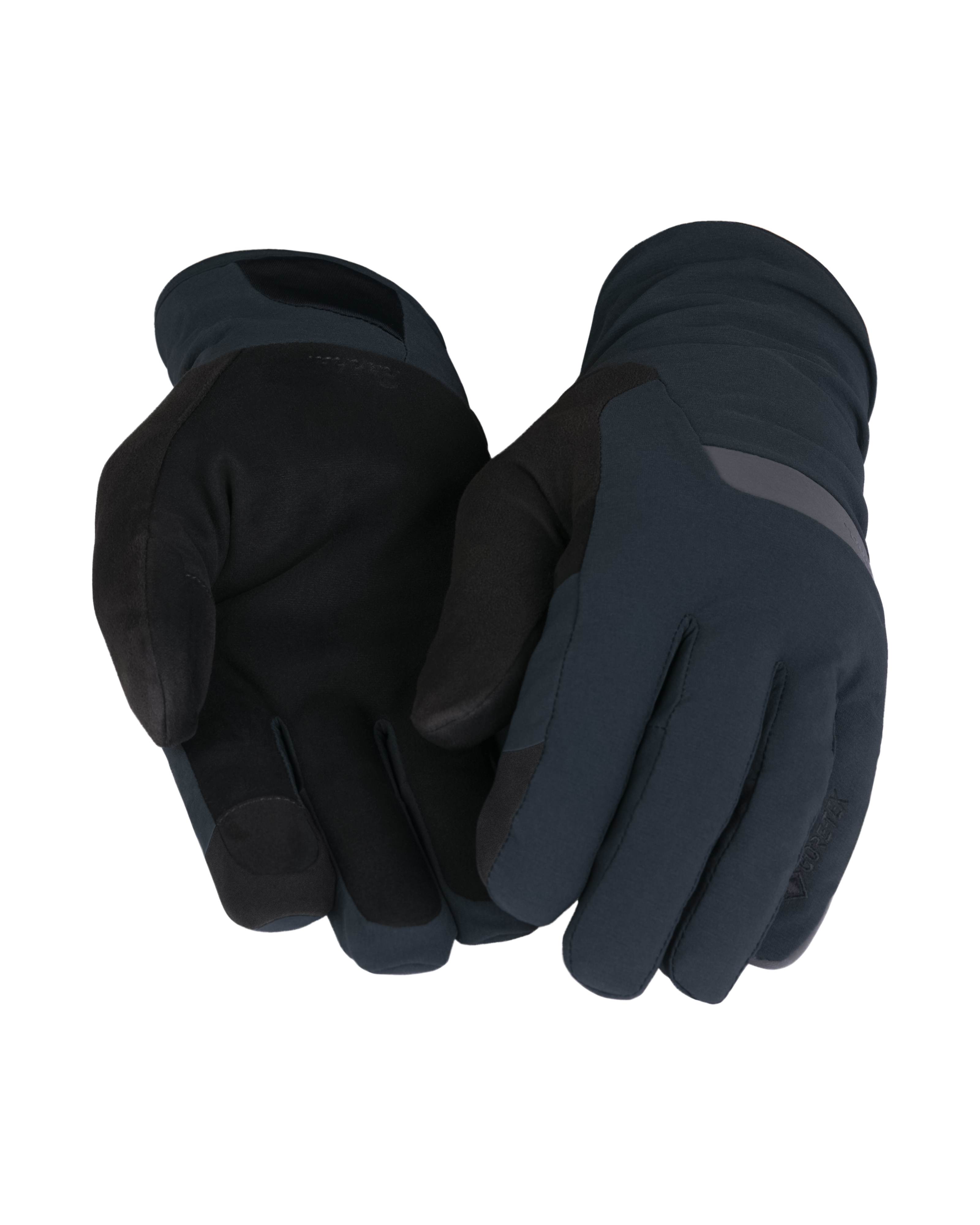
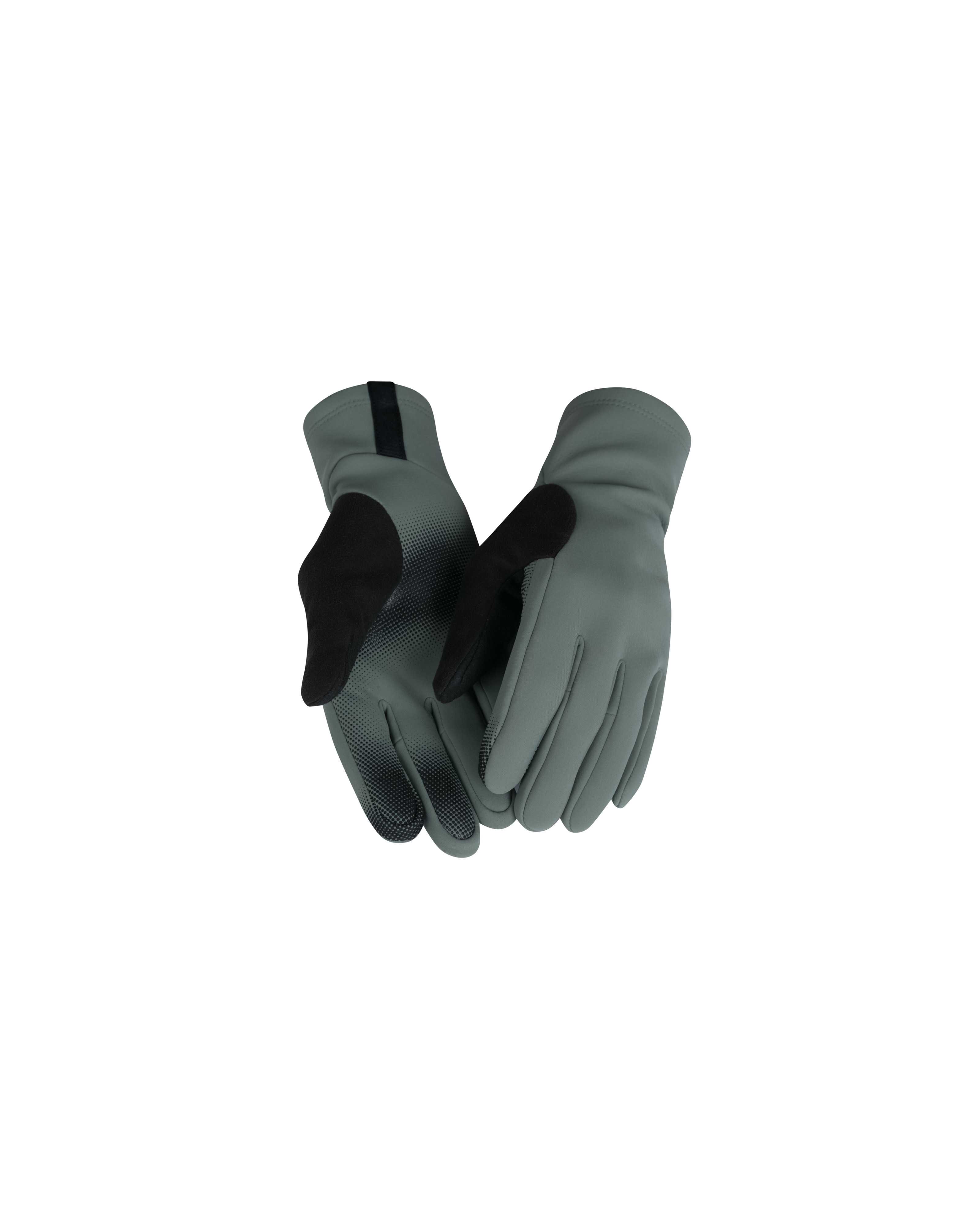
For the coldest and wettest days, you need protection for your extremities. Our new Pro Team Shadow Winter Gloves provide protection from the cold and the wet via a Storm Cuff closer at the wrist, a microporous Shadow membrane and an insulated active lining.
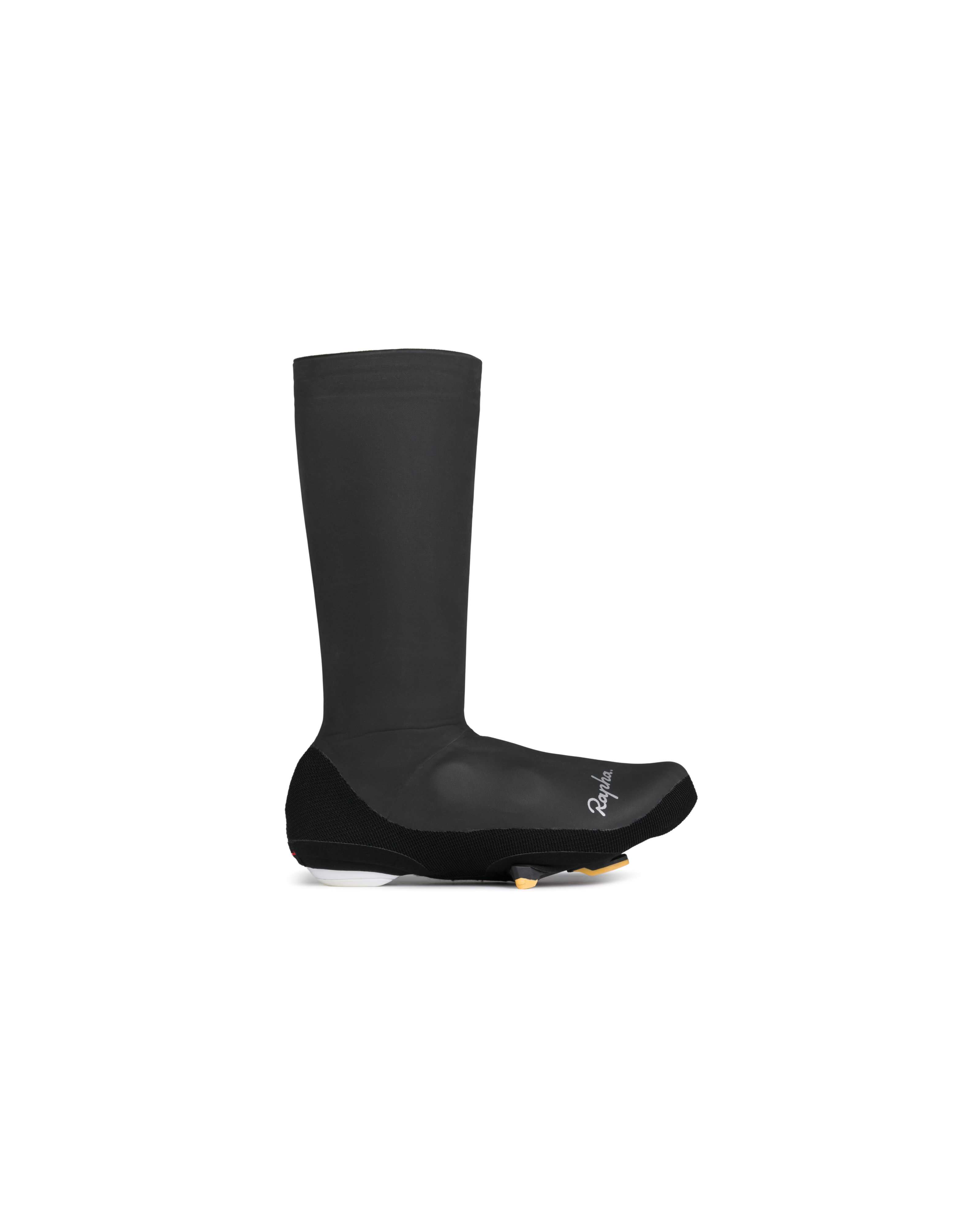
For the feet, our new line of Overshoes – offered in either Winter or regular versions. As you might expect, the Winter Overshoes are best-suited for riding in foul weather. They benefit from fleece-lined 3mm-thick neoprene. The standard version uses a 2mm neoprene with a brushed-back inner. This makes them significantly lighter than the winter version.
READ MORE STORIES
See what's new this season to get yourself out there.
PRO TEAM GUIDE
The complete system built to carry you to the limit. Sharpened at the highest levels of the sport to make sure you find your edge.
Chapter 6: Pro Team Ghost
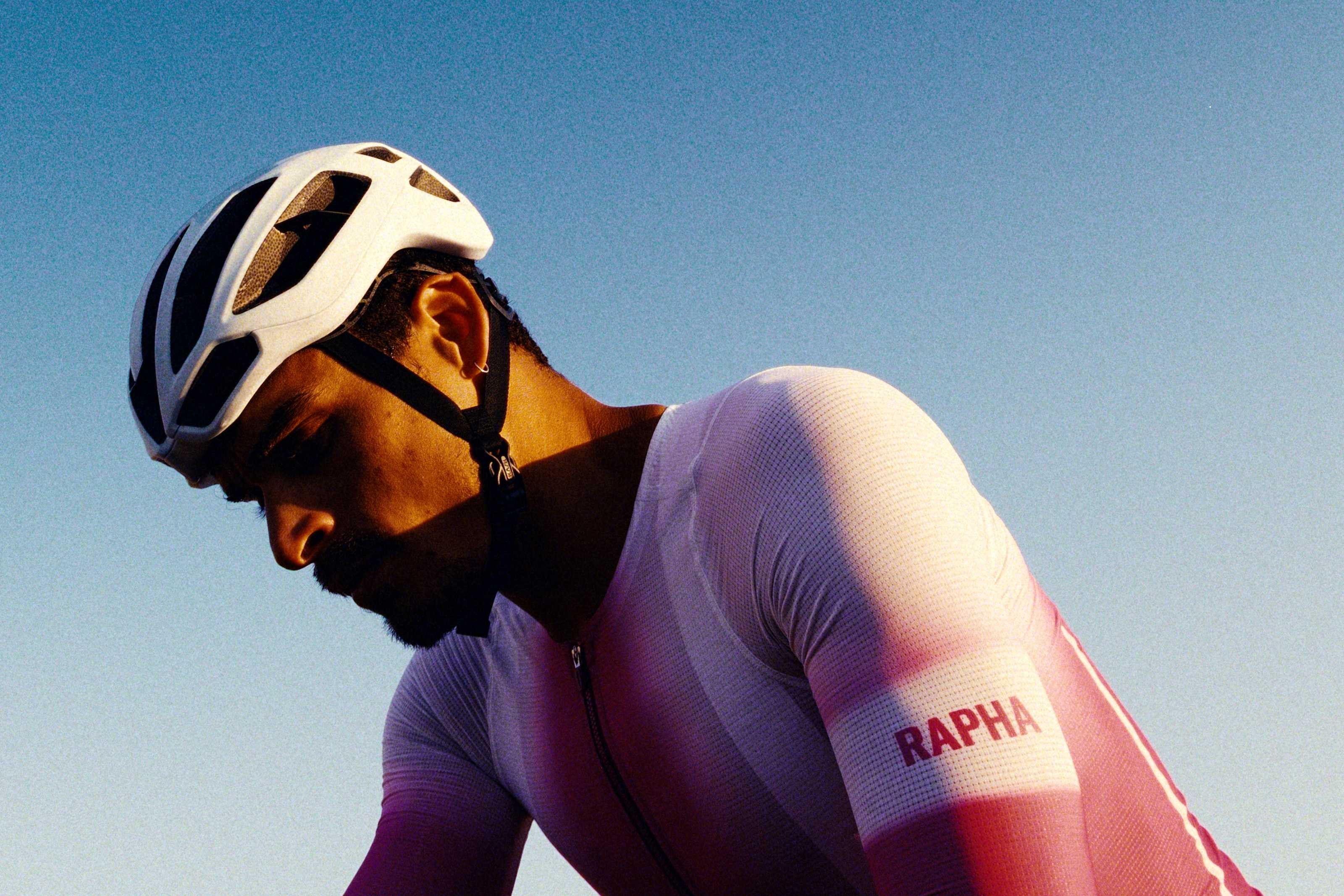
Introducing Ghost – a radical new group of designs made for extreme heat.