Helmets
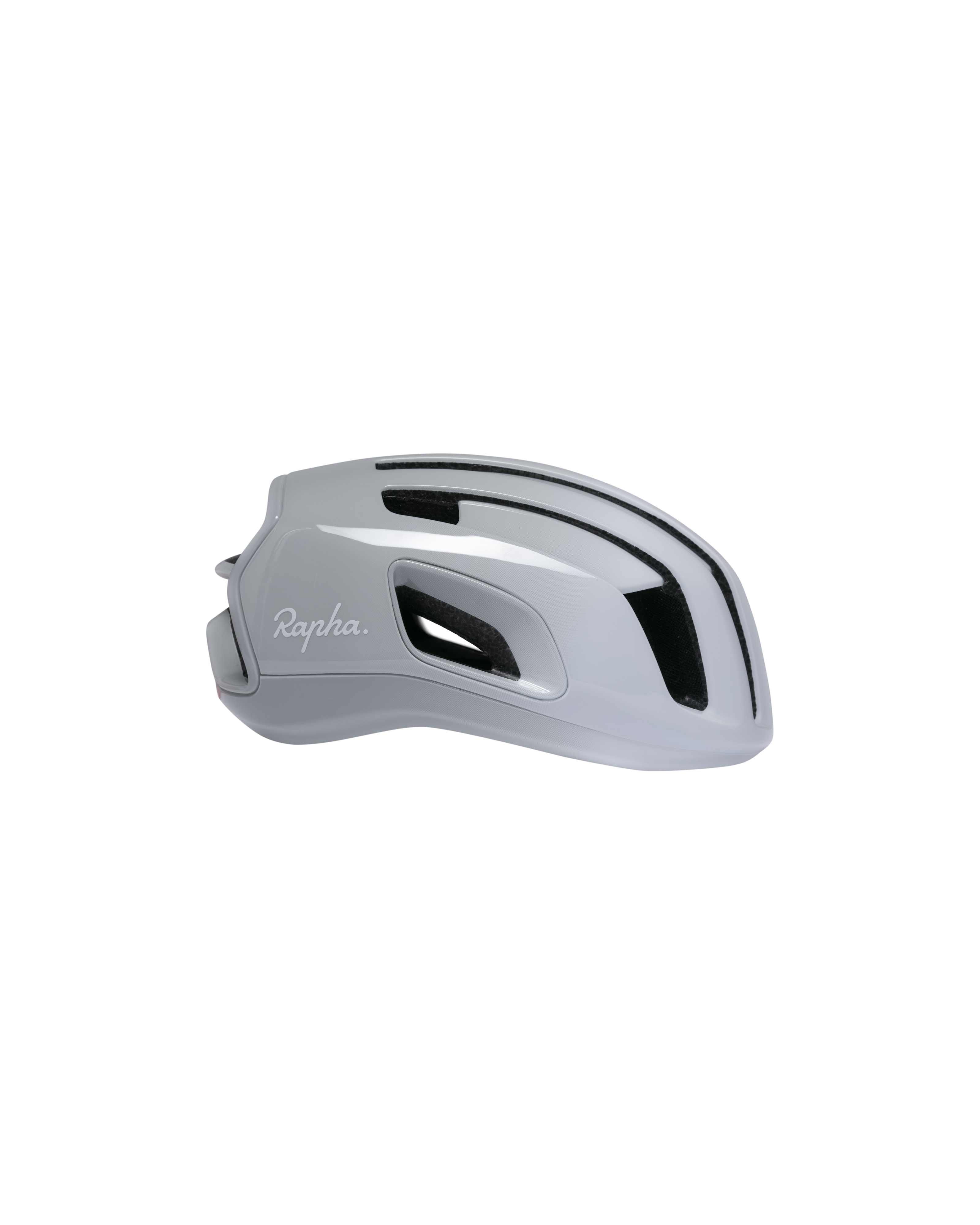
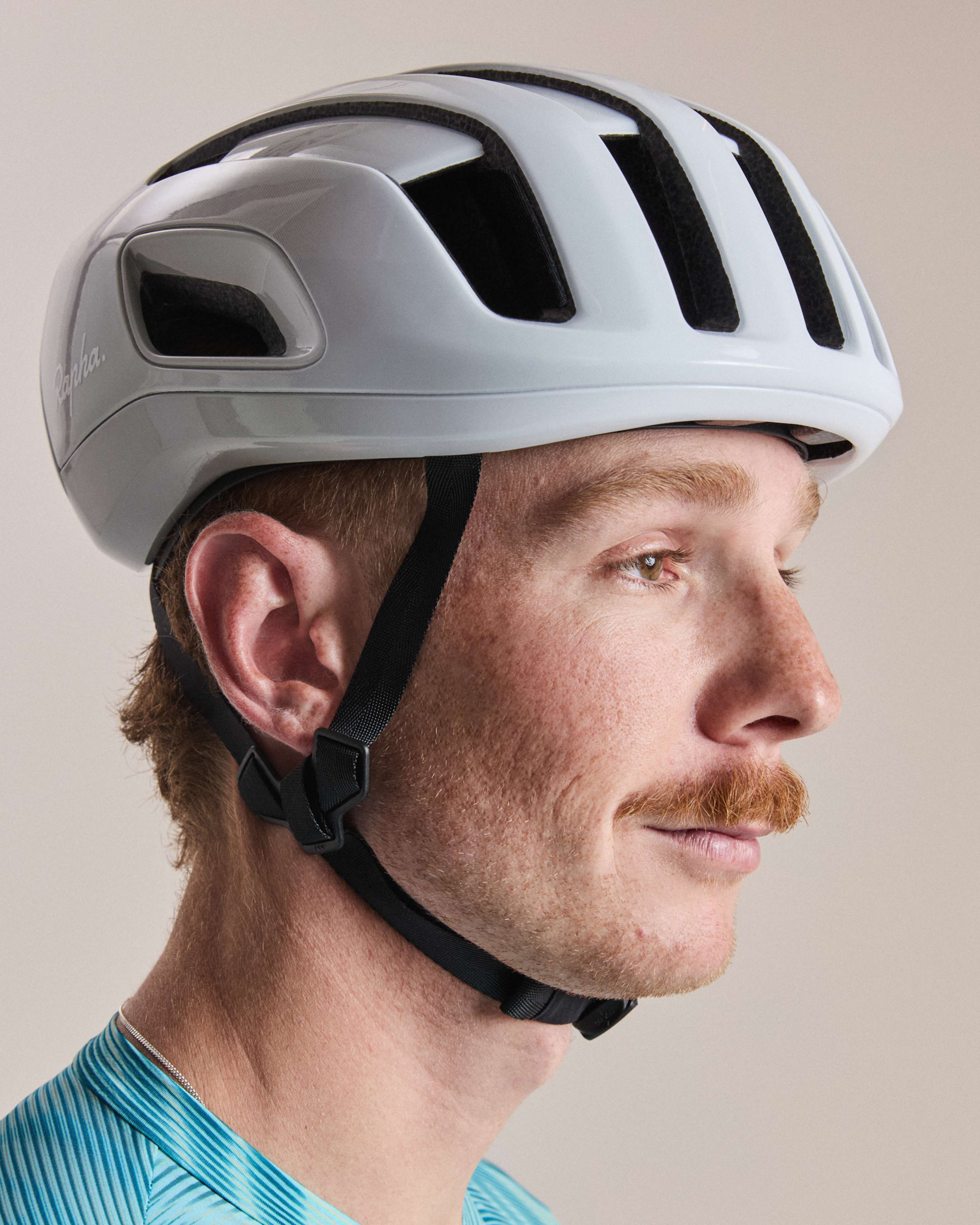
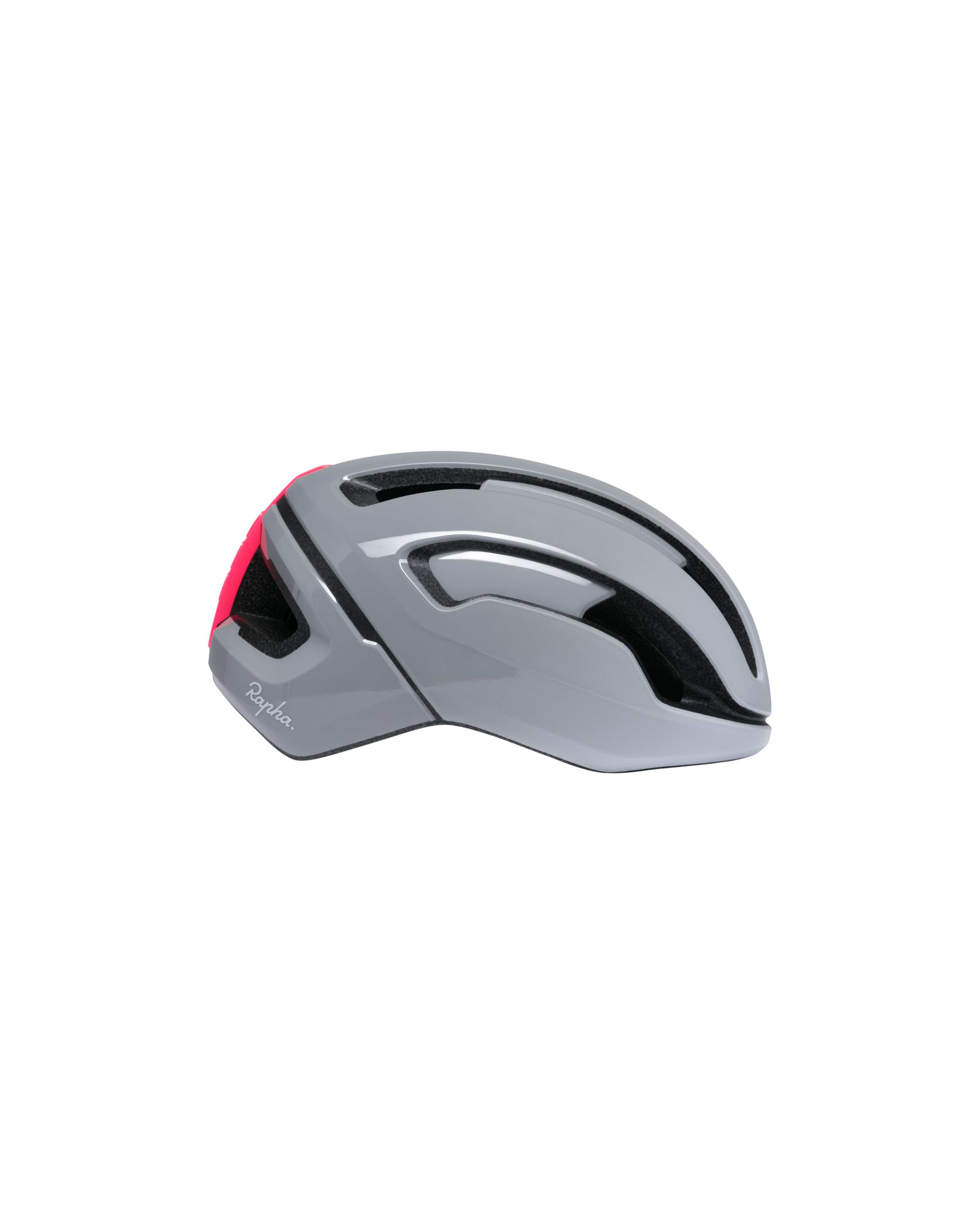
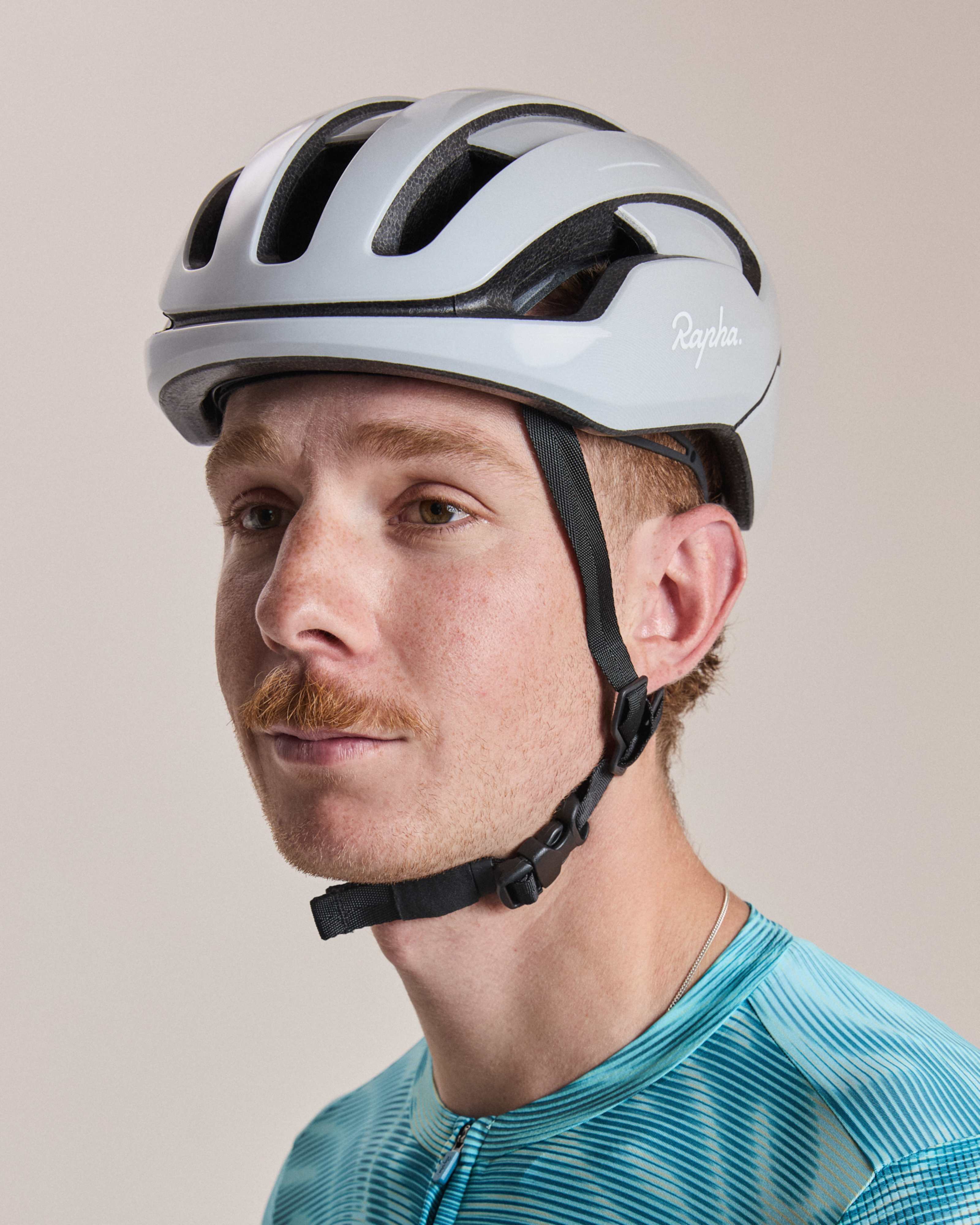
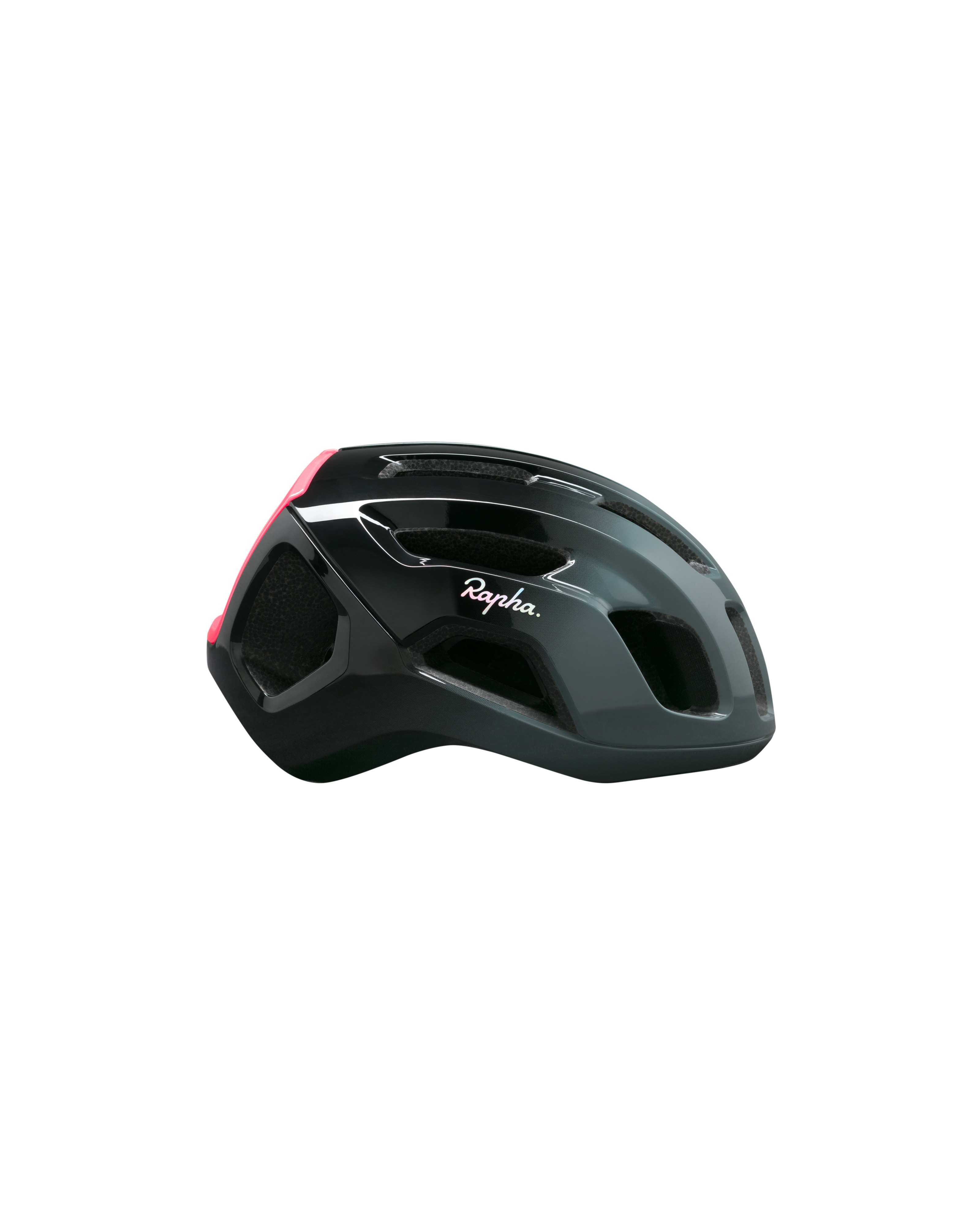
Designed for maximum protection, comfort, and aerodynamics, our cycling helmets ensure you stay safe without sacrificing performance.
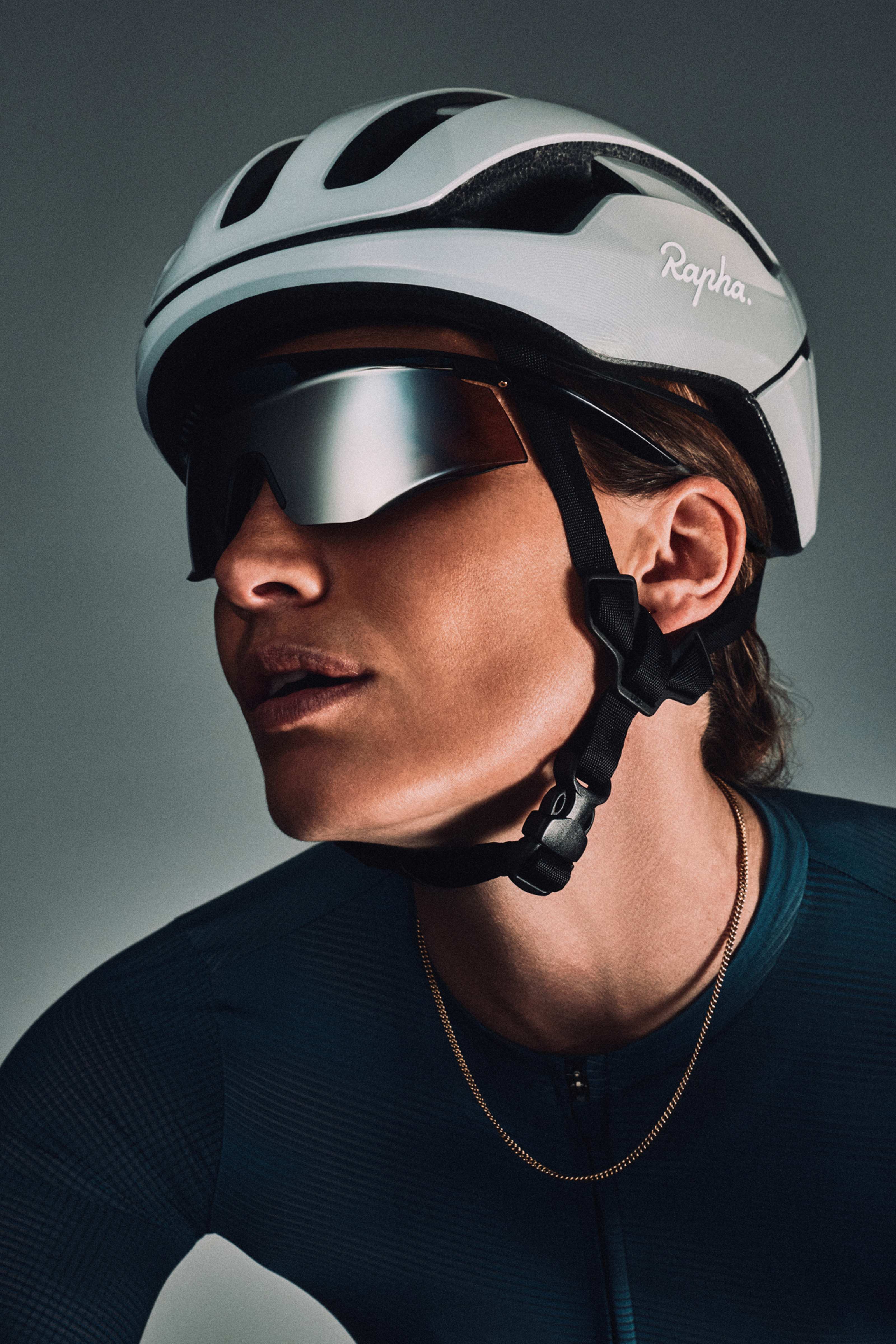
Save 20% when you buy a helmet and a pair of glasses.
Helmet & Glasses - Save 20%: Shop Glasses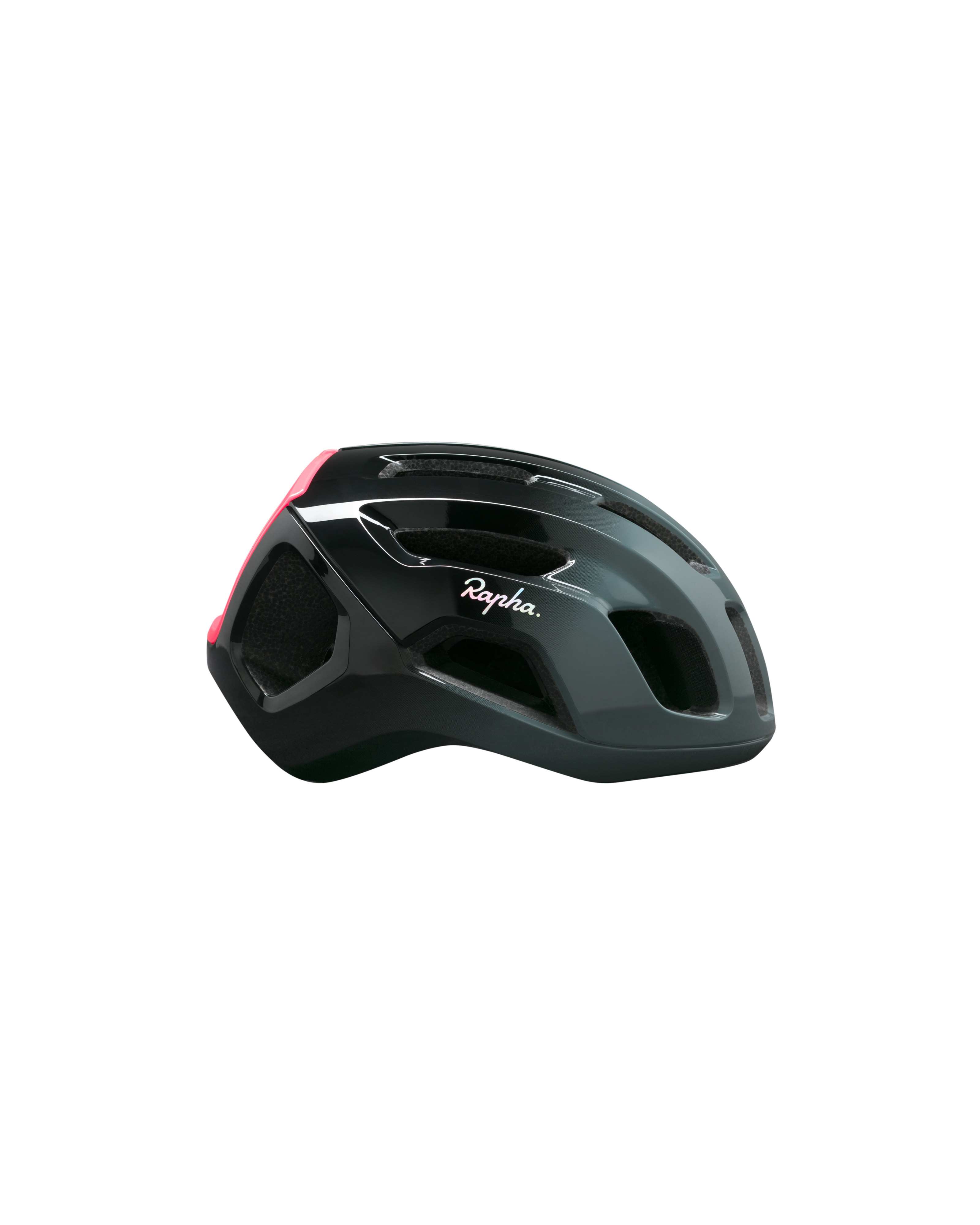
How do I choose the best cycling helmets for my riding style?
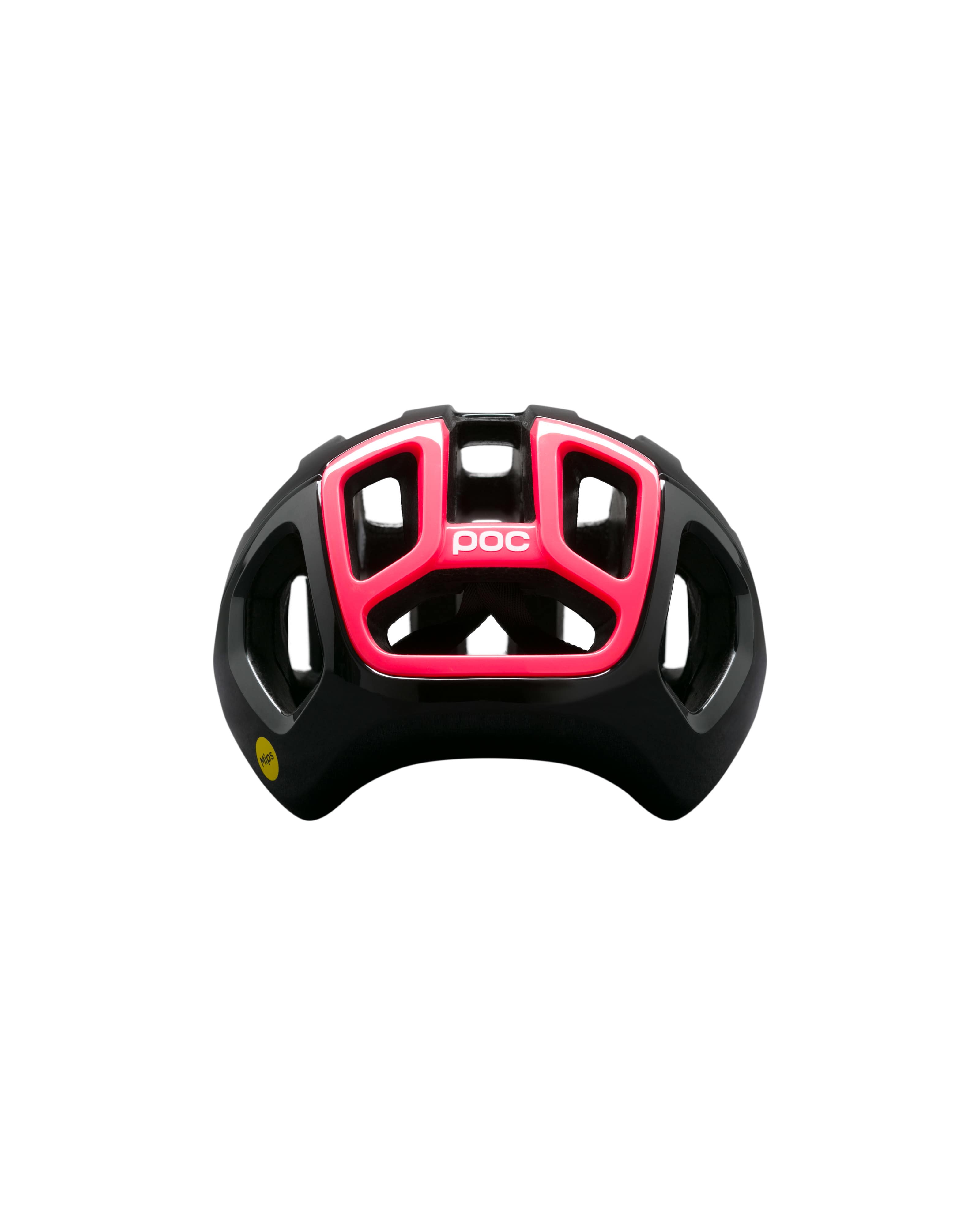
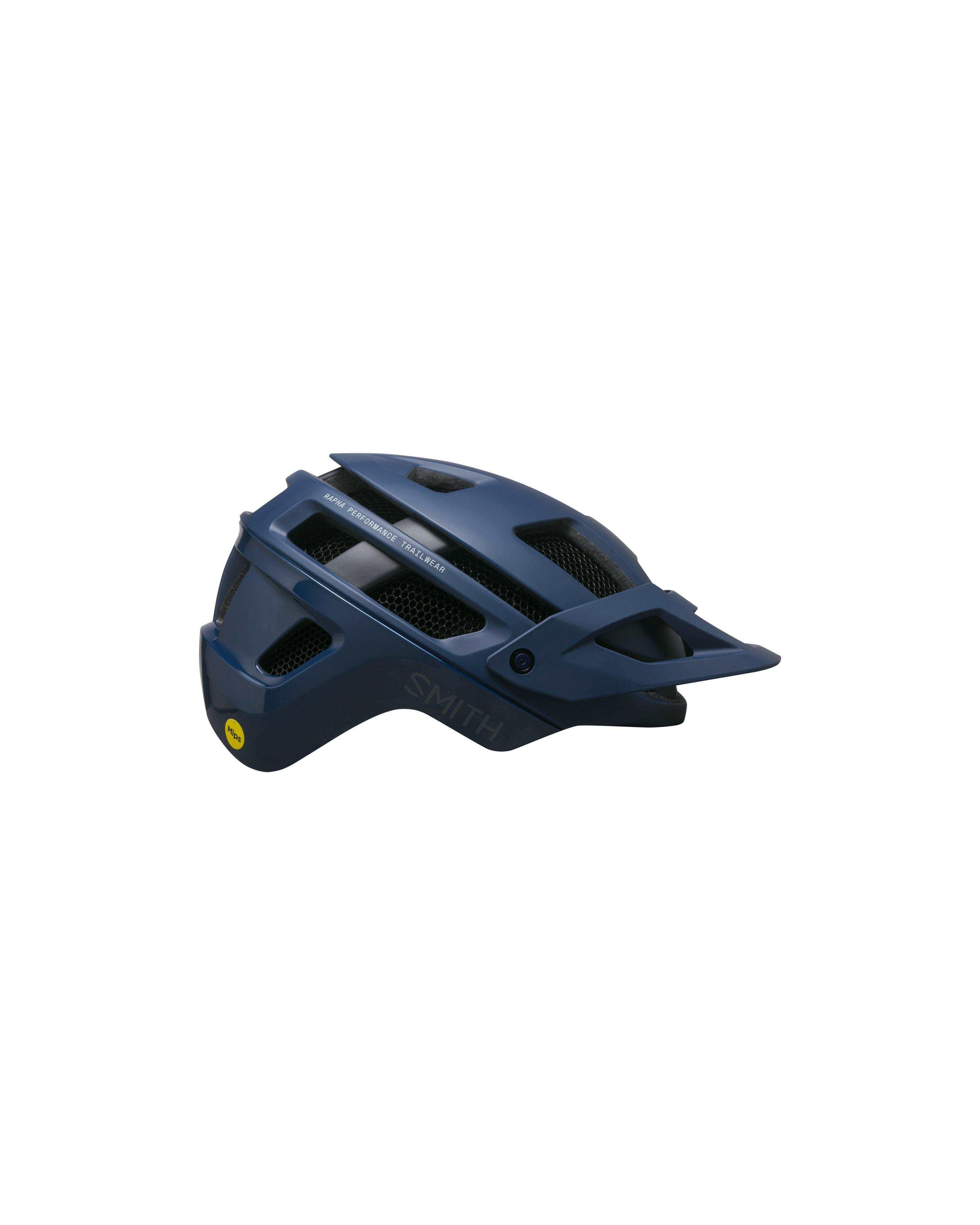
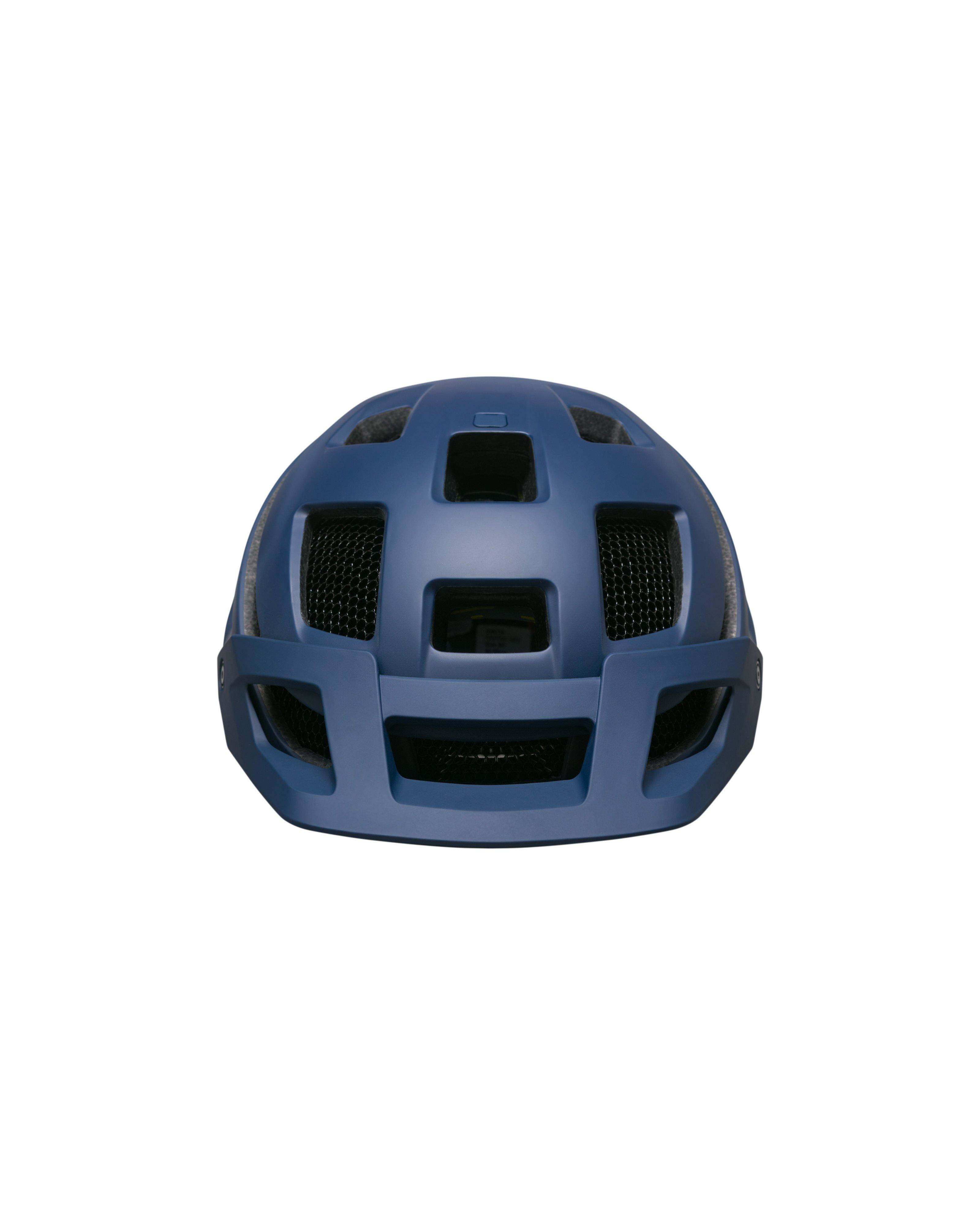
Selecting the right protection depends on your terrain and performance goals. For road racing, the best cycling helmets focus on aerodynamics and weight reduction, often featuring collaboration technology from POC. If you are venturing off-road, look for helmets with extended rear coverage and adjustable visors. Regardless of the discipline, ensure your choice integrates perfectly with your best cycling eyewear. A high-quality helmet is just as essential as your cycling jerseys for ensuring a safe, comfortable, and performance-oriented experience on every outing.
What safety technologies should I look for in a helmet?
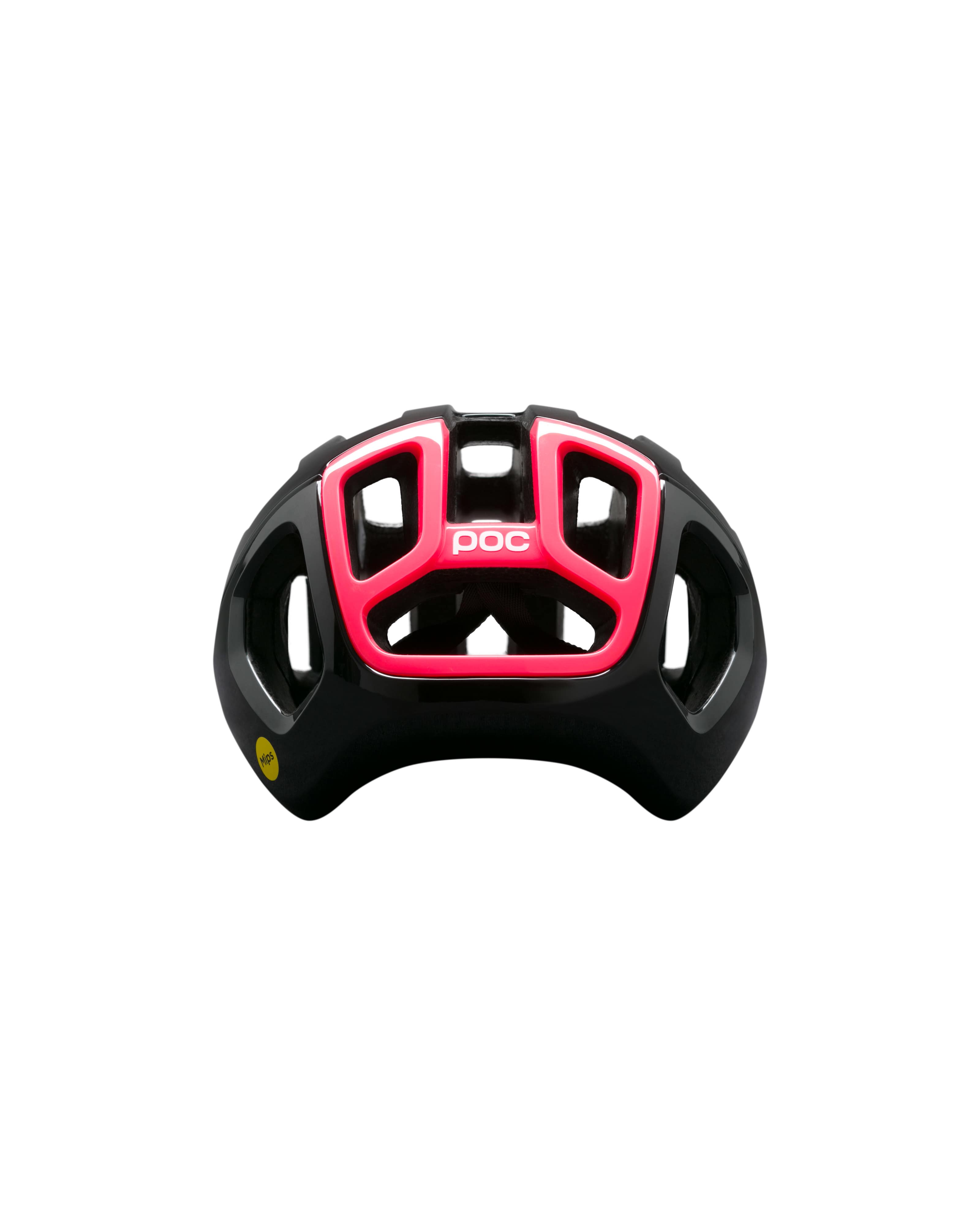
When searching for the best cycling helmets, safety is the priority. Many of our helmets feature MIPS (Multi-directional Impact Protection System), which uses a low-friction layer to help redirect rotational forces during an impact. This advanced protection is a hallmark of premium gear, mirroring the technical innovation found in our top-tier men's cycling jerseys. Additionally, look for fully wrapped unibody shells and EPS (Expanded Polystyrene) liners that provide structural integrity without a weight penalty.
What is Mips and why is it in Rapha helmets?
MIPS (Multi-directional Impact Protection System) is a revolutionary technology integrated into our helmet range to enhance rider safety. It features a low-friction layer inside the helmet that allows for slight movement during an impact, helping to redirect dangerous rotational forces away from the brain. Just as you invest in high-quality cycling jerseys for performance, choosing a Mips-equipped helmet provides an extra layer of technical protection.
How does helmet ventilation improve my ride?
Aerodynamics and cooling are at the heart of our helmet designs. Large internal channels and strategically placed vents allow air to flow over the head, regulated by the same principles of moisture management found in our best cycling jerseys. This airflow helps to dissipate heat during intense efforts or on hot summer days, preventing overheating. Efficient ventilation ensures that your core temperature remains stable, allowing you to focus on the road ahead while staying comfortable.
When should I replace my cycling helmet?
We recommend replacing your helmet every three to five years, or immediately following any impact or crash. Over time, the internal EPS foam can degrade due to UV exposure, sweat, and general wear, reducing its ability to absorb energy. Even if there is no visible damage, the structural integrity may be compromised. Investing in a new helmet ensures you always benefit from the latest safety standards and technical advancements in the industry.