The Rapha Guide to Merino Wool Cycling Jerseys and Clothing
To understand why merino wool is an ideal material for cycling, put it under a microscope. Lower-grade wool is more coarse and resists moving with the body, causing irritation and itching, especially when moving. Rapha sources premium, ethically processed merino wool with an ultra-fine micron count.
In our Classic and Brevet jersey lines, we use an exceptionally fine 17.5-micron wool fibre, while our merino base layers, socks and warmers utilise an 18.5-micron diameter. Both specifications fall strictly within the globally recognised classification of superfine wool (15 to 19 microns). Because these fibres are so thin, they completely eliminate irritation while delivering next-to-skin softness.
Benefits of merino
Thermoregulation
Merino wool is a miracle material providing performance and comfort all year round. Its fibres possess a natural three-dimensional wave configuration known as a crimp. This physical structure allows the fabric to trap millions of microscopic air pockets. When ambient temperatures drop, these pockets create a stable insulating layer that seals in radiant body heat. Conversely, during high-output riding, the high breathability of the porous knit allows heat to radiate away from the torso before core temperatures spike, making it highly effective as a breathable cycling jersey.
Vapour Control
Synthetic fibres are inherently hydrophobic; they cannot absorb moisture internally. Sweat is shifted mechanically across their surface after it has already condensed on the skin. Merino wool operates differently. The inner core of a wool fibre attracts water, allowing it to absorb moisture vapour directly from the skin before it transforms into liquid sweat. Remarkably, as the internal chemical bonds of the wool absorb this vapour, a reaction occurs, releasing a small amount of heat that prevents the sudden cooling or "icy towel" effect during mountain descents or cafe stops.
Odour Suppression
Sweat itself is odourless, but the warm, humid environment generated on a synthetic jersey allows bacteria to live on liquid lipids and salt compounds. Merino wool fibres are rich in keratin, a natural protein that creates a chemically hostile environment for odour-causing bacteria. This natural odour suppression remains effective over multiple consecutive days of riding, making it an asset for self-supported athletes.

While pure, 100% merino wool provides elite thermal regulation and next-to-skin comfort, it has mechanical limitations when adapted into technical merino cycling clothing. Pure wool fibres have lower tensile strength and elasticity than advanced synthetics. Under the vertical stresses of cycling, a jersey made from 100% pure wool will inevitably sag, stretch and pull away from the body when the rear pockets are loaded with your spares and nutrition.
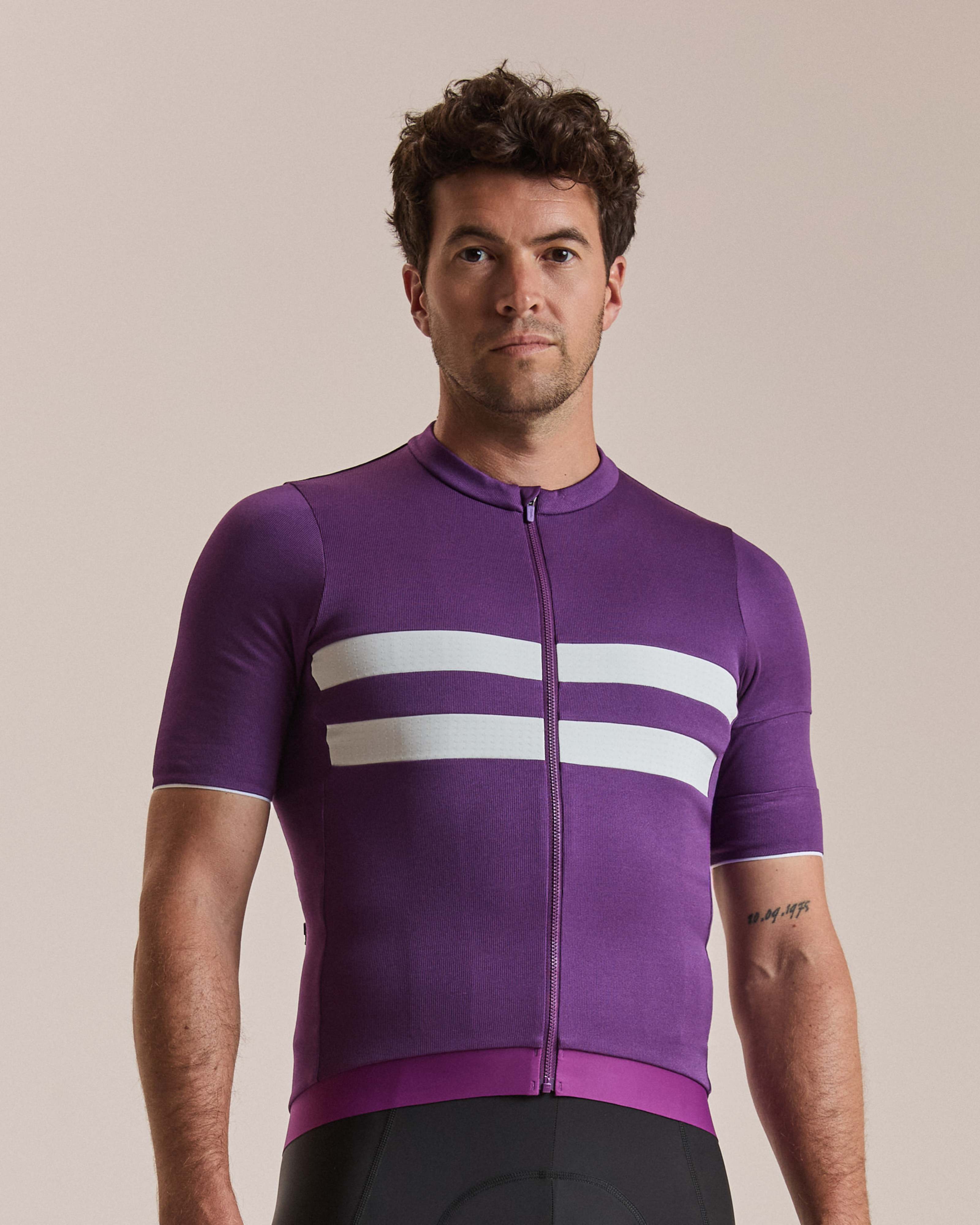
Rapha Performance Merino (RPM 150), a proprietary fabric that knits premium wool with recycled polyester, combats this. This fabric offers riders the courage to face long, challenging days in the saddle across a wide range of conditions, without sacrificing an engaged fit.
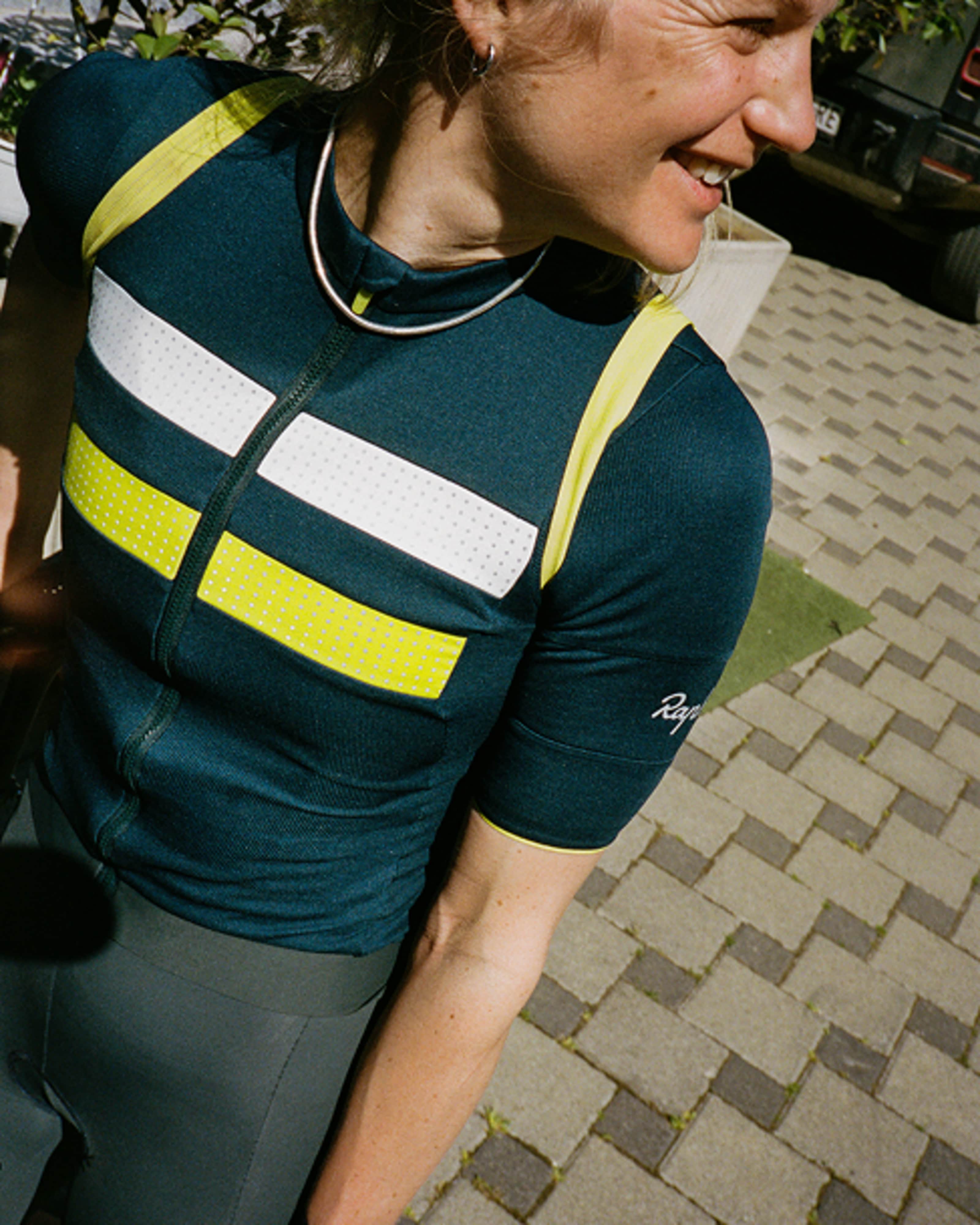
Found in our Classic and Brevet jerseys, this highly durable knit is constructed so that the yarn composition is strategically split across two faces.
Skin-Side Engineering: The merino wool is knitted predominantly on the interior face of the fabric. This ensures that only the soft, hypoallergenic, 17.5-micron fibres come into contact with the rider's skin, maximising thermal regulation and comfort.
Air-Side Engineering: The recycled cationic polyester is knitted on the exterior face. This synthetic shield drastically increases the fabric's tensile strength, ensuring pocket stability, structural shape retention and highly accelerated drying times as moisture is drawn from the core to the surface.
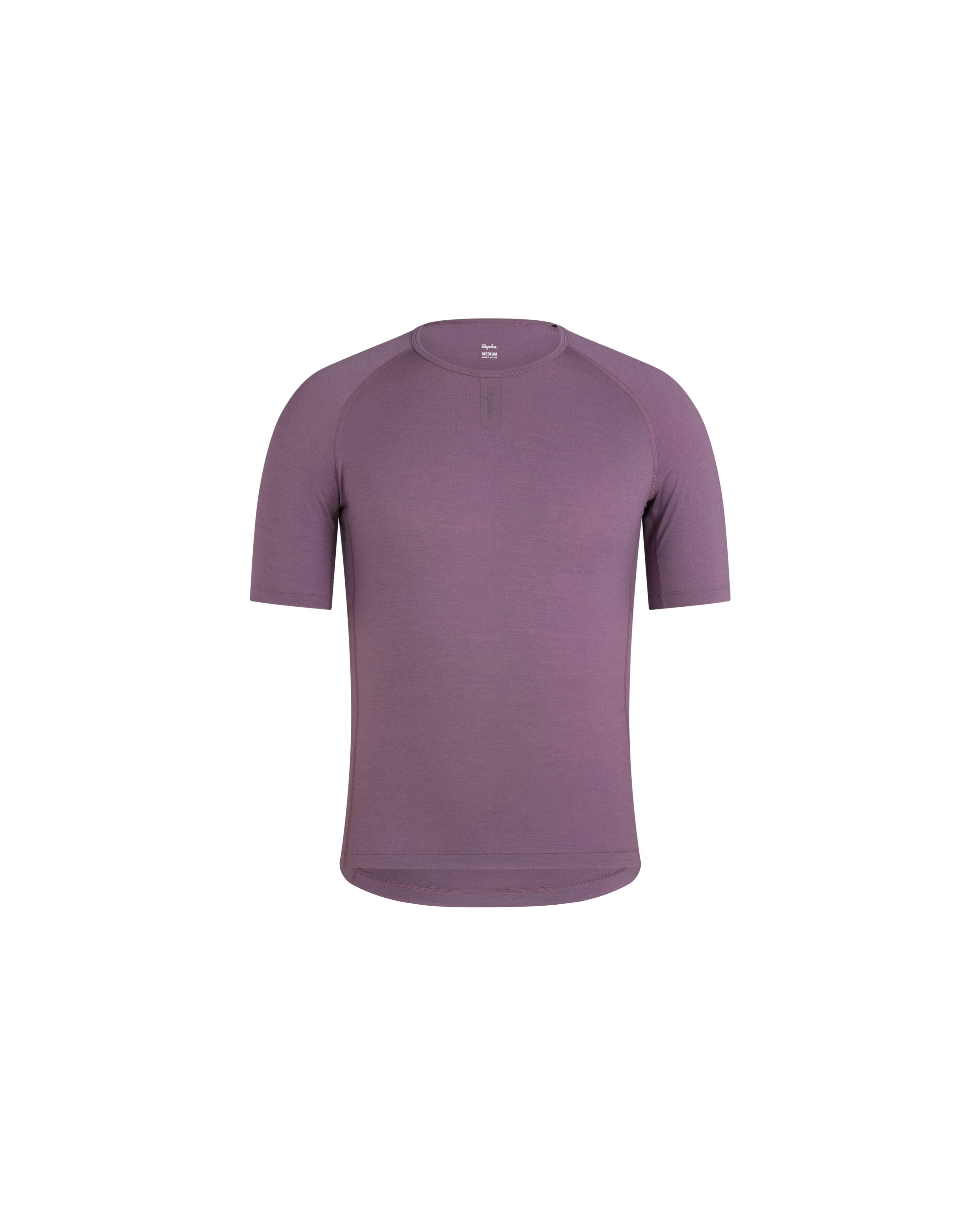
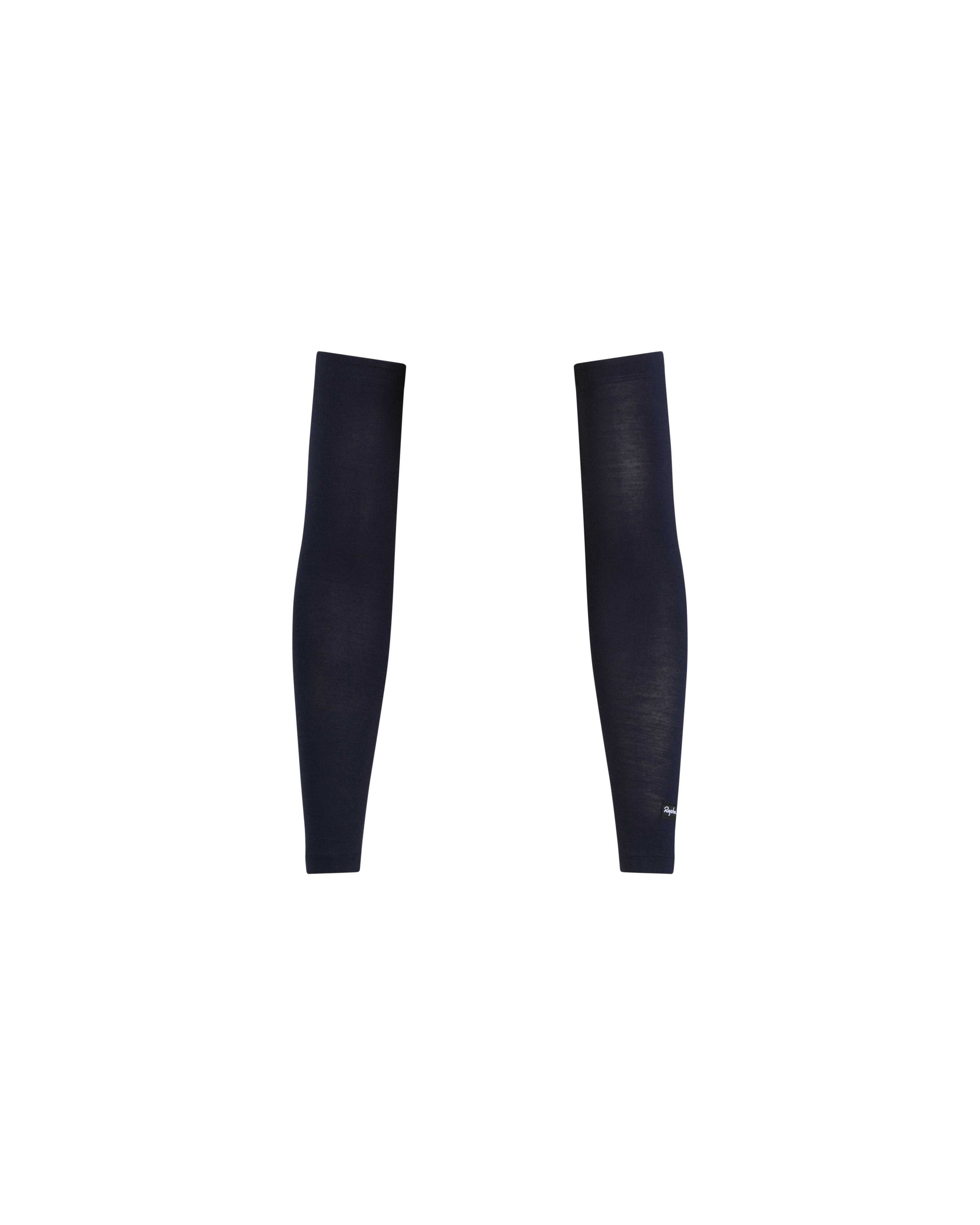
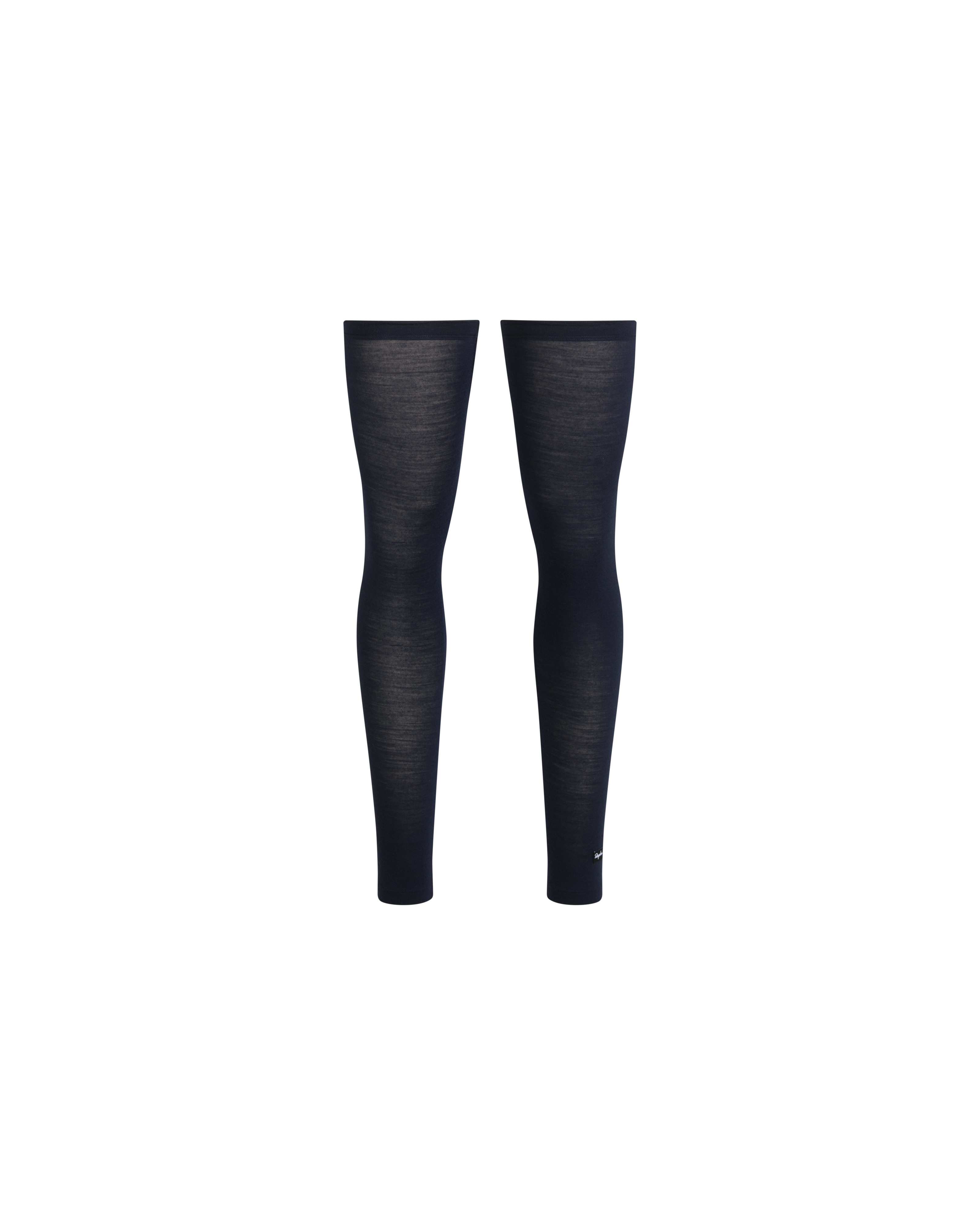
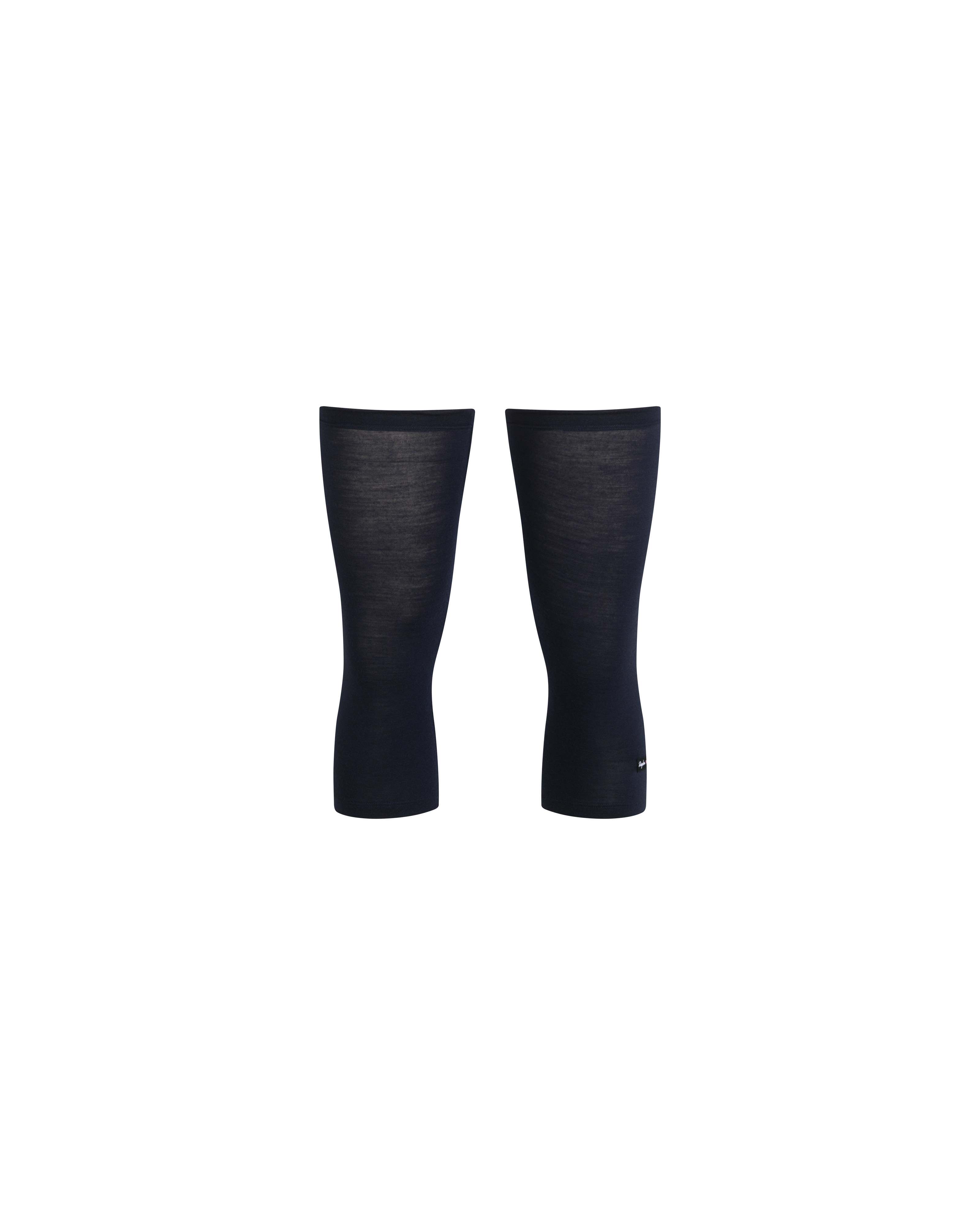
Warmers and Base Layers: For our additional merino cycling clothing, specifically our base layers and arm, knee and leg warmers, we utilise an 18.5-micron superfine BetaSpun wool.
Instead of twisting wool and synthetic fibres together conventionally, the BetaSpun process involves wrapping high-strength synthetic filaments around a central core of pure merino wool. This advanced construction vastly improves the garment's resistance to abrasions, reinforces its overall strength and significantly reduces pilling under the repetitive friction of bib short straps and outer layers.
How to Wash Merino Wool
Preparation
Turn the garment inside out. Secure zips, snaps and hook-and-loop fasteners. Separate entirely from abrasive elements like external Velcro glove straps or luggage attachments. This eliminates surface friction during the wash cycle, preventing mechanical snags from fraying or destroying the delicate, fine-knit face of the wool.
Washing
Machine wash on a cold, gentle wool cycle. Maintain a maximum temperature of 30°C. Select a low spin setting (maximum 600–800 RPM). Use a mild, neutral pH liquid wool detergent. High heat combined with aggressive mechanical agitation causes the microscopic scales on the wool fibres to interlock permanently. This process, known as felting, results in irreversible garment shrinkage and a harsh hand feel.
Chemicals
Strictly avoid fabric softeners, conditioners and chemical bleaching agents. Do not use bio-detergents containing enzymes. Fabric softeners coat the superfine fibres in a hydrophobic chemical film. This synthetic residue plugs the porous structure of the yarn, neutralising its natural moisture vapour absorption, breathability and thermoregulation.
Drying
Take your merino cycling clothing out of the washing machine and air dry by laying it completely flat on a horizontal drying rack. Never tumble dry and never wring out the fabric. Hanging a saturated wool garment allows gravity to pull water downward, stretching the yarns and distorting the engineered cycling-specfic fit. Tumble drying introduces destructive friction and thermal shock that collapses the fibre integrity.
Long-Term Storage
To keep your merino cycling clothing performing at an elite standard over multiple seasons, your post-ride care must extend to how you store it.
Rather than washing your kit after every use, hang woollen garments to let them air out naturally. To spot-clean minor stains, use a cloth soaked in a diluted solution of wool detergent to dab around the edge, then blot gently with an absorbent towel.
Never store your merino jerseys or base layers on traditional clothes hangers for extended periods. Over months of storage, gravity will act upon the weight of the fabric, stretching
the shoulder panels and distorting the on-bike, articulated fit of a premium merino wool cycling jersey.
Instead, ensure the garment is completely dry, fold it neatly and store it flat in a cool, dry chest or drawer. If you’re switching to the trainer during winter and won’t be riding in your merino cycling apparel for a few months, you might want to put garments inside protective bags, or use a cedar block as a natural alternative to insect-repelling chemical mothballs.
Managing Surface Pilling
Surface pilling is a natural characteristic of any superfine, short-staple natural fibre and is not a sign of a defective textile. When the short fibre ends move to the surface of the fabric due to friction - such as the continuous rubbing of a hydration pack, a zipped gilet or a saddlebag strap - they twist together into tiny spheres or "pills".
To restore the smooth hand feel and technical finish of the garment, do not pull or rip these pills off by hand, as this extracts more fibres from the yarn core and accelerates future pilling. Instead, use a specialised fabric comb or a motorised fabric shaver to cleanly slice the pills away from the surface, renewing the clean, high-performance face of the hybrid matrix.

Why Choose Merino Wool Cycling Jerseys and Clothing?
From natural thermoregulation and moisture management to long-lasting odour resistance, the benefits of merino wool make it one of the most effective fabrics available for cyclists. Superfine merino fibres deliver exceptional next-to-skin comfort, helping riders stay warm in cool conditions, comfortable during high-intensity efforts and fresher over consecutive days in the saddle.
Rapha's approach builds on these natural advantages through advanced fabric engineering. Combining premium merino wool with high-performance recycled synthetics in Rapha Performance Merino, allows the creation of merino wool cycling jerseys and clothing that retain their shape, dry quickly and withstand the demands of long-distance riding. With proper care, these garments will continue delivering their technical benefits season after season.
You may also like
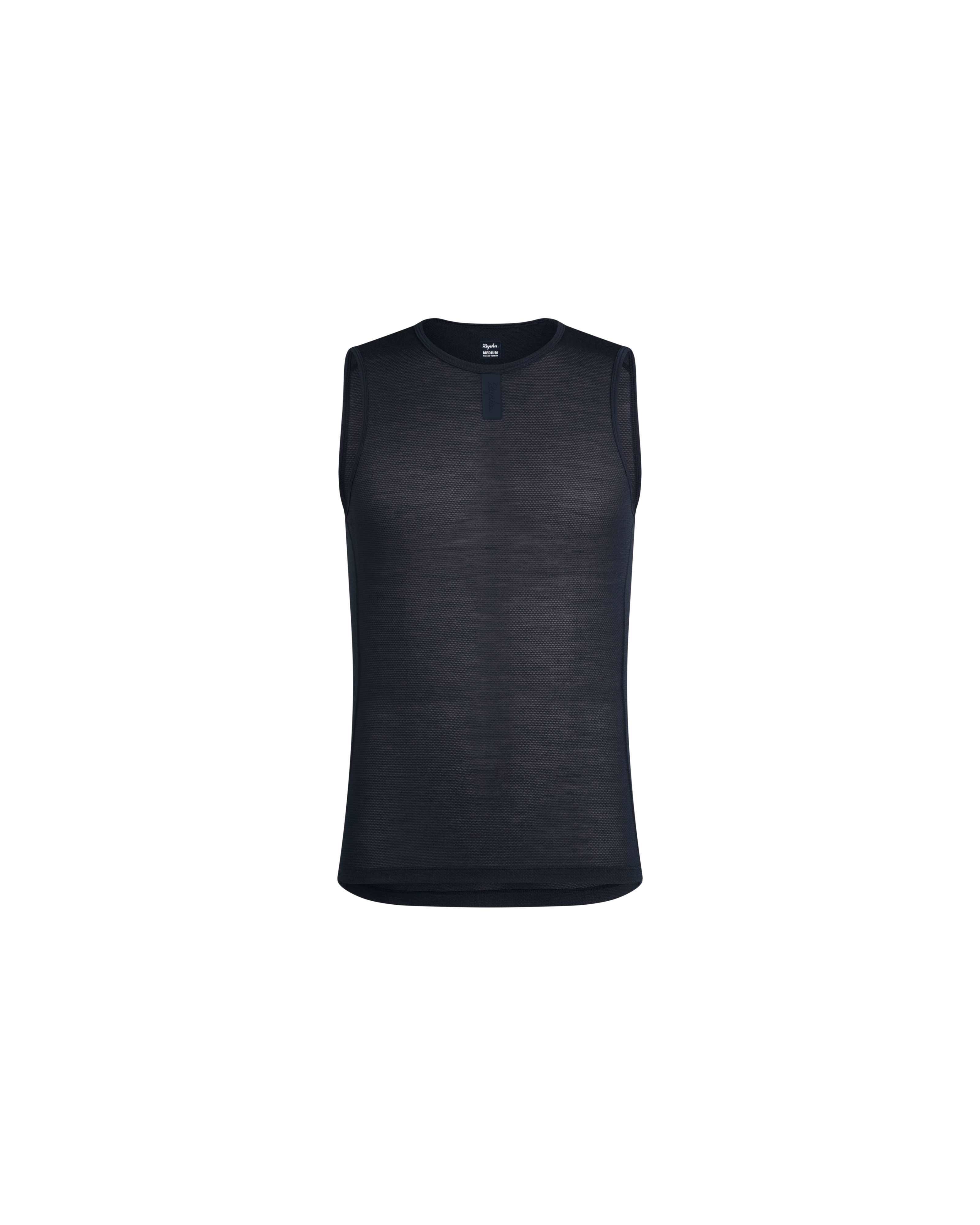
- Men's Merino Lightweight Base Layer - Sleeveless - Dark Navy/Dark Navy
- Men's Merino Lightweight Base Layer - Sleeveless - Black/Black
- Men's Merino Lightweight Base Layer - Sleeveless - Cream/White
- Men's Merino Lightweight Base Layer - Sleeveless - Chartreuse/Chartreuse
- +2
Men's Merino Lightweight Base Layer - Sleeveless
€70,00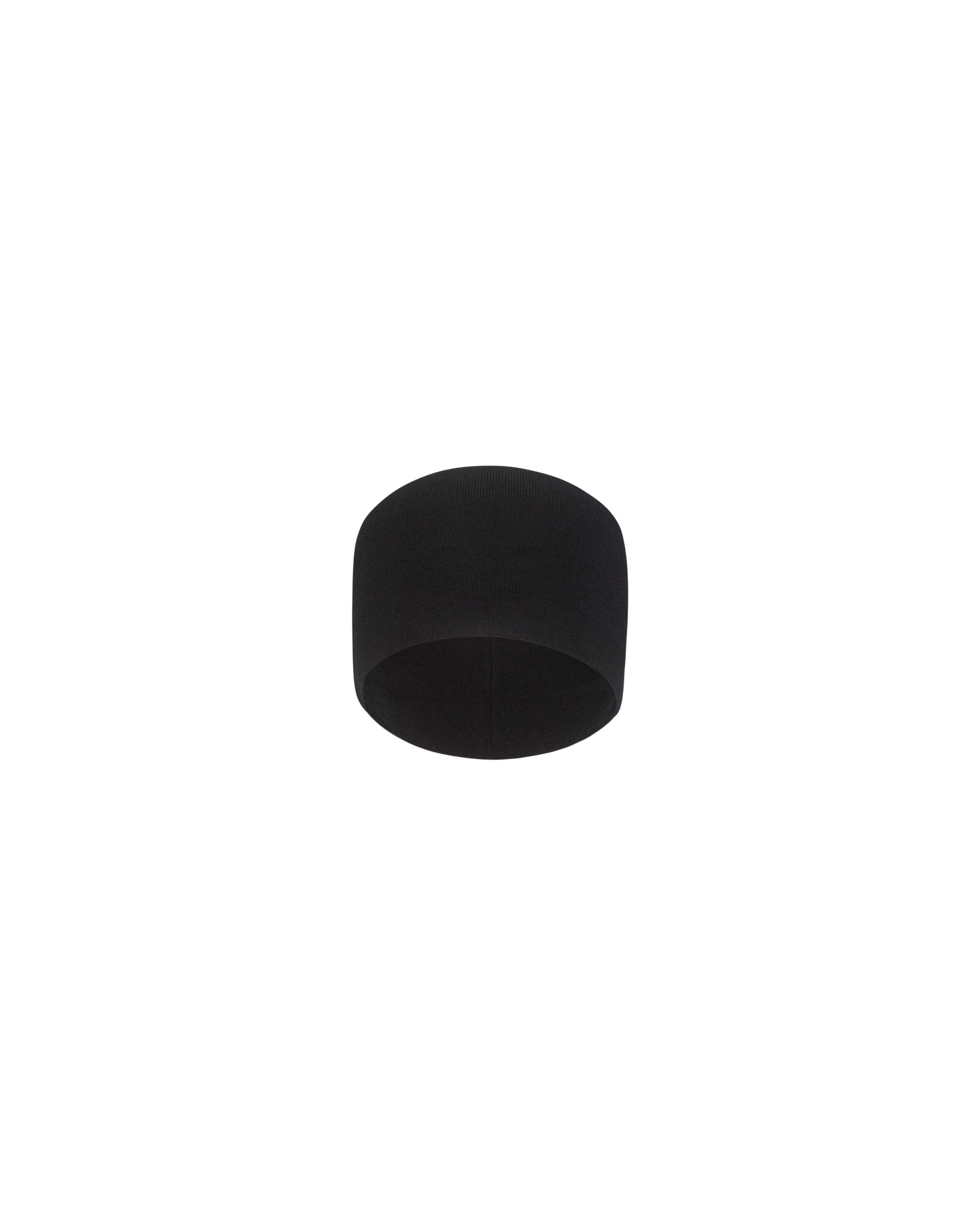
Merino Headband
€27,00