Novantasei
When the future arrived early.
September 20, 2026
There is a distinct, low-fi glow to footage of cycling in 1996. On the rainy streets of a Dutch Tour prologue in July and beneath the stifling Georgia heat in August, road and track cycling experienced a rare moment of colourful, uncalibrated chaos. This was the last gasp of cycling’s technological wild west: rogue engineers, improvisational welders and radical geometry. It was an era where no shape was considered too bizarre, no position too contorted and no material too experimental. Cycling has always harboured a deep tension between its conservative orthodoxy and its obsessive innovators. Just as Henri Desgrange once banned multi-speed gears in the early Tour de France because he felt they diluted the raw purity of human suffering, the mid-1990s pushed the sport towards another reckoning. By 1996, mechanical imagination had outpaced regulation entirely. On the start lines, tradition collided head-on with radicalism. But it was to be short-lived. By the turn of the millennium, the sport had moved inexorably towards homogeneity.
Atlanta ’96, in particular, represented a leap forward in the professionalism of the sport. For the first time, the Olympic Games welcomed fully paid-up pros, finally turning the event into a contest between the world’s best riders. What it lost in Corinthian spirit it made up for in technological progress, the four-year cycle cementing itself as the sport’s R&D bleeding edge. Watch an Olympics or World Championships now, and while huge funding disparities remain, the peloton looks pretty uniform: aerodynamically optimised carbon frames, disc brakes and electronic shifting. Roadsuits are de rigueur; cotton socks are practically neolithic. Scour footage from 1996. Atlanta, the Worlds in Manchester, the Tour de France, or the World Championships in Lugano, and you see a wild mishmash of development. It is a misnomer to think there was a single, sport-wide quantum leap. It was a case of 'run what ya brung', and some nations brought a lot more than others. There were track sprints on round-tubed steel bikes more often seen at Keirin school, one rider in a jersey and another in a skinsuit. Some team pursuit squads rode traditional frames while others, like the United States, adopted monocoques resembling modern city hire-bikes. The road race saw early carbon, aluminium and steel lining up together, some riders adopting deep carbon rims, others relying on boxy tubulars virtually unchanged for half a century. While the French team pursuit squad rode to gold aboard Mavic frames with disc wheels, tri-spokes and body positions that wouldn't look too out of place today, Miguel Indurain claimed victory in the Time Trial aboard an alloy frame with shallow, mismatched wheels and a frontal area nothing short of affronting to modern aerodynamicists.
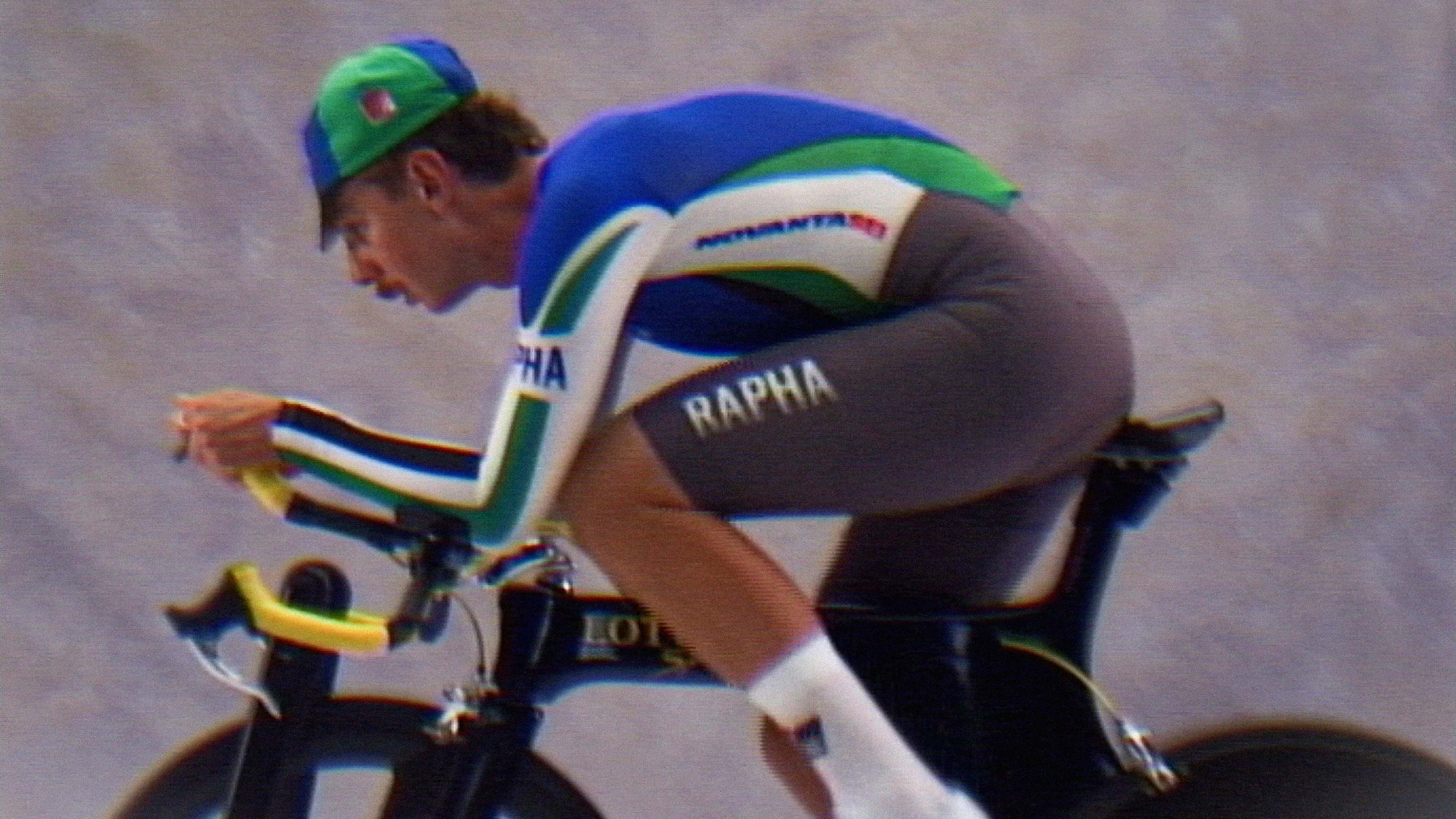
No team embraced the future more than the Italians. They looked less like athletes from the Mediterranean and more like visitors from Mars. Their skinsuits featured Roswellian shades of silver, their helmets resembled the cockpit of an SR-71 Blackbird and their 'Superman' position (used by both male and female riders) gave them the silhouette of a missile. These innovations delivered: the Italian squad swept to seven medals across disciplines, including track golds for Andrea Collinelli, Silvio Martinello and Antonella Bellutti, alongside Paola Pezzo’s victory in Cross-Country Mountain Biking. Like anything otherworldly, these developments shocked and terrified cycling’s establishment. Sound familiar? Panicked by the idea that races were becoming a battle of engineering budgets rather than human athletic performance, the UCI acted. In October 1996, while the World Championships were taking place a stone’s throw away (won, ironically, by Johan Museeuw on a traditionally shaped Colnago C40), the governing body drafted the Lugano Charter. It effectively froze bicycle design and slowed the development of radical technology.
The Rule Changes In A Nutshell
Triangular Geometry:
Frames had to be built around traditional main and rear triangles. Non-structural monocoques and "beam" designs were banished overnight.
The 3:1 Ratio
A tube’s depth could be no more than three times its width, killing radical deep-section shapes.
Position Limits
The ‘Superman’ position was banned. Aerobars had to keep forearms roughly parallel to the ground and safely near the cockpit.
Weight Limits
In 1999, the UCI established a 6.8kg minimum weight limit, a rule that still governs the professional peloton today.
Equal Wheel Sizes
Front and rear wheels were mandated to be of equal diameter, ending the era of tiny front wheels used to drop a rider's front end.
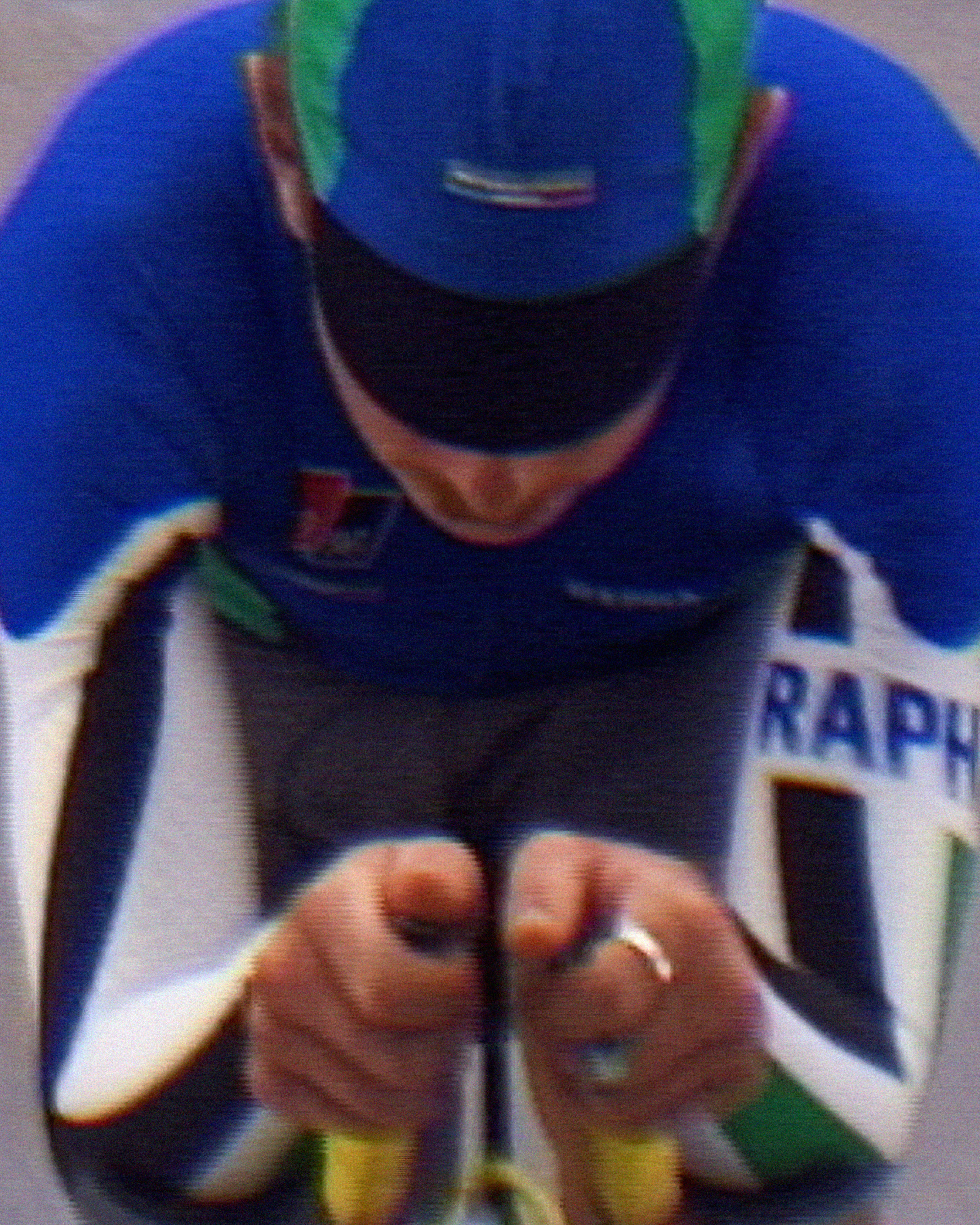
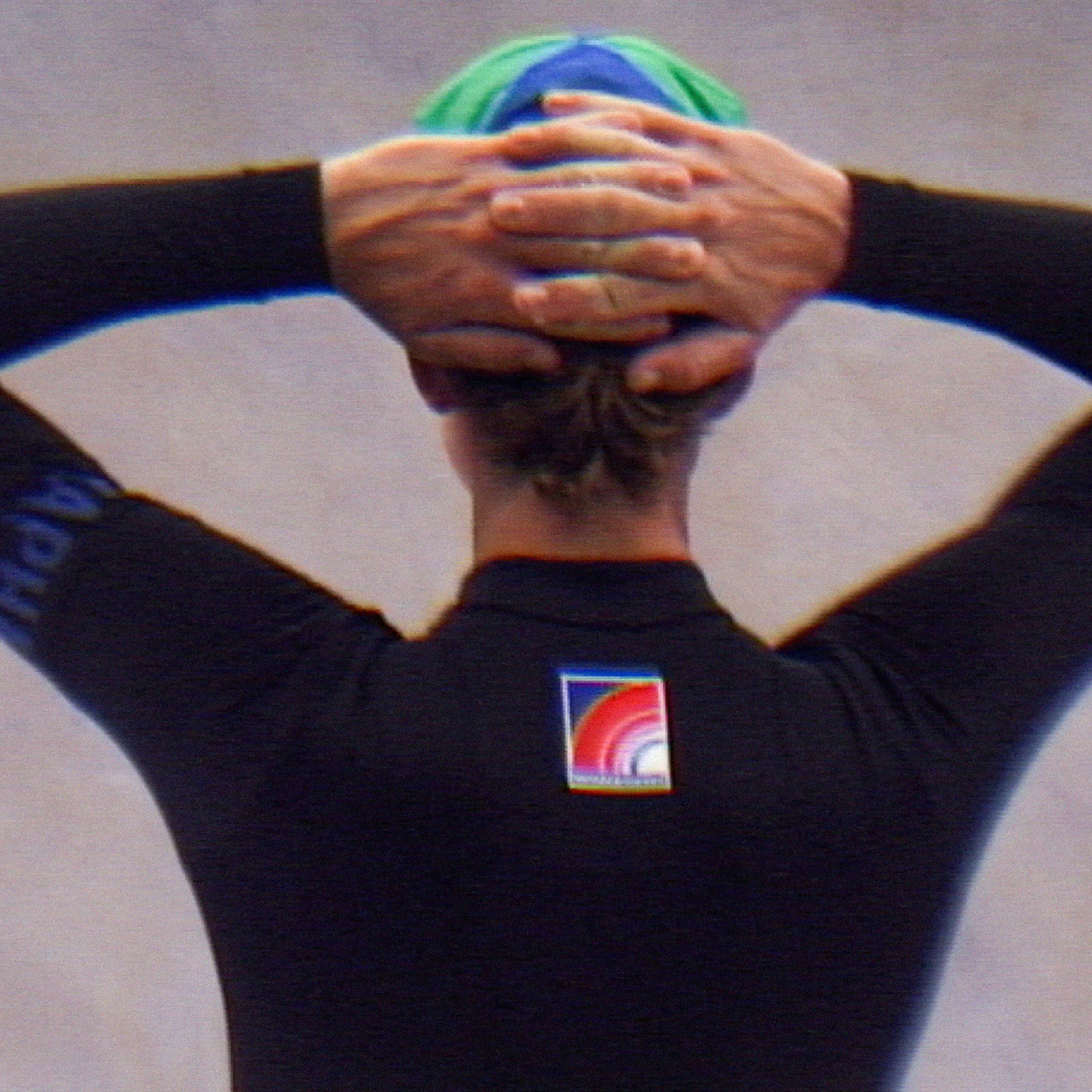
The Lugano Charter may have succeeded in locking cycling’s silhouette in amber, but it could never regulate the spirit that drove those mid-nineties iconoclasts. The soul of the sport lives in the audacity of those who dare to push boundaries. Novantasei celebrates that fleeting, VHS-taped window when curiosity outsprinted regulation, a reminder that riding should always retain a touch of the unknown, the experimental and the fearlessly individual.
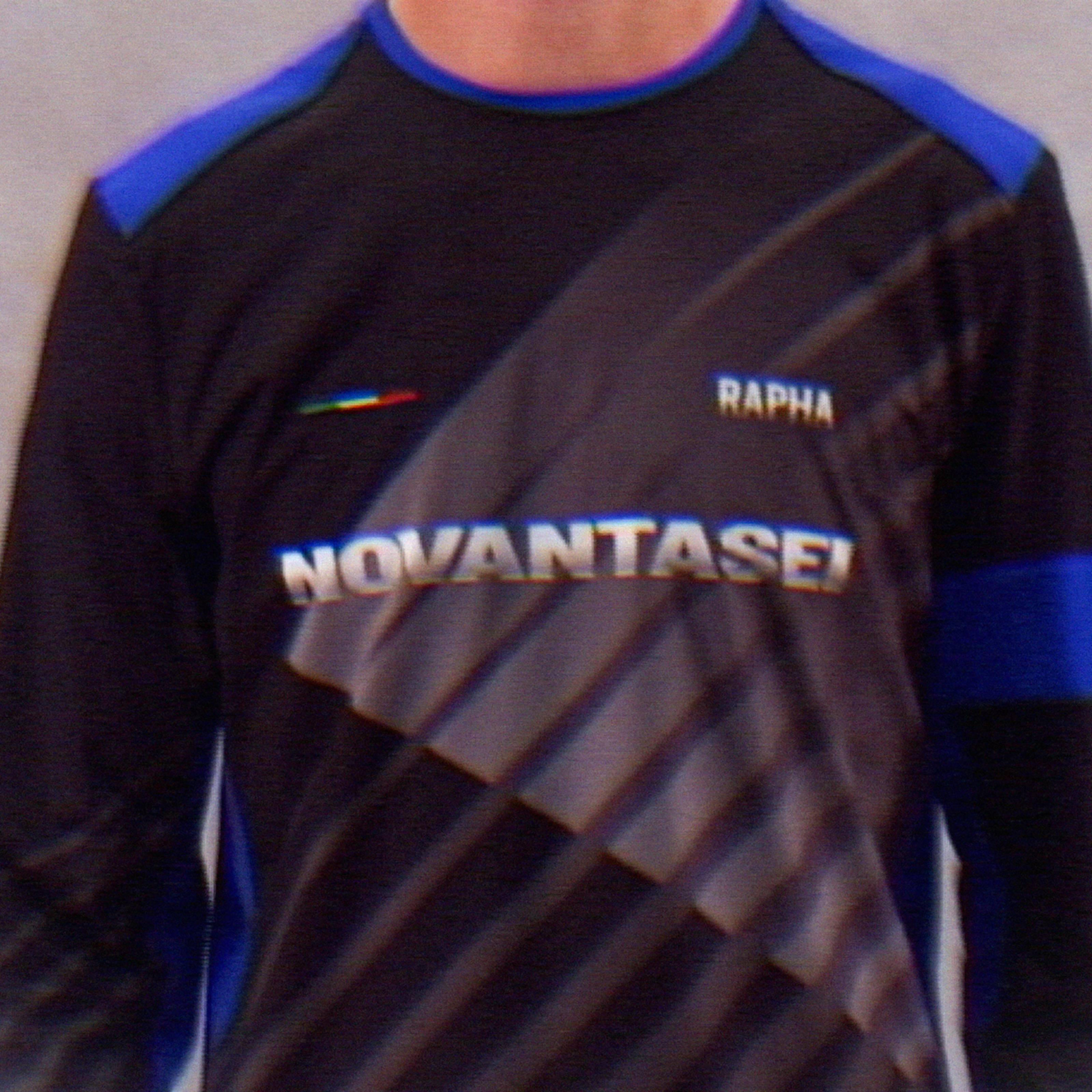
FROSTED TOPS
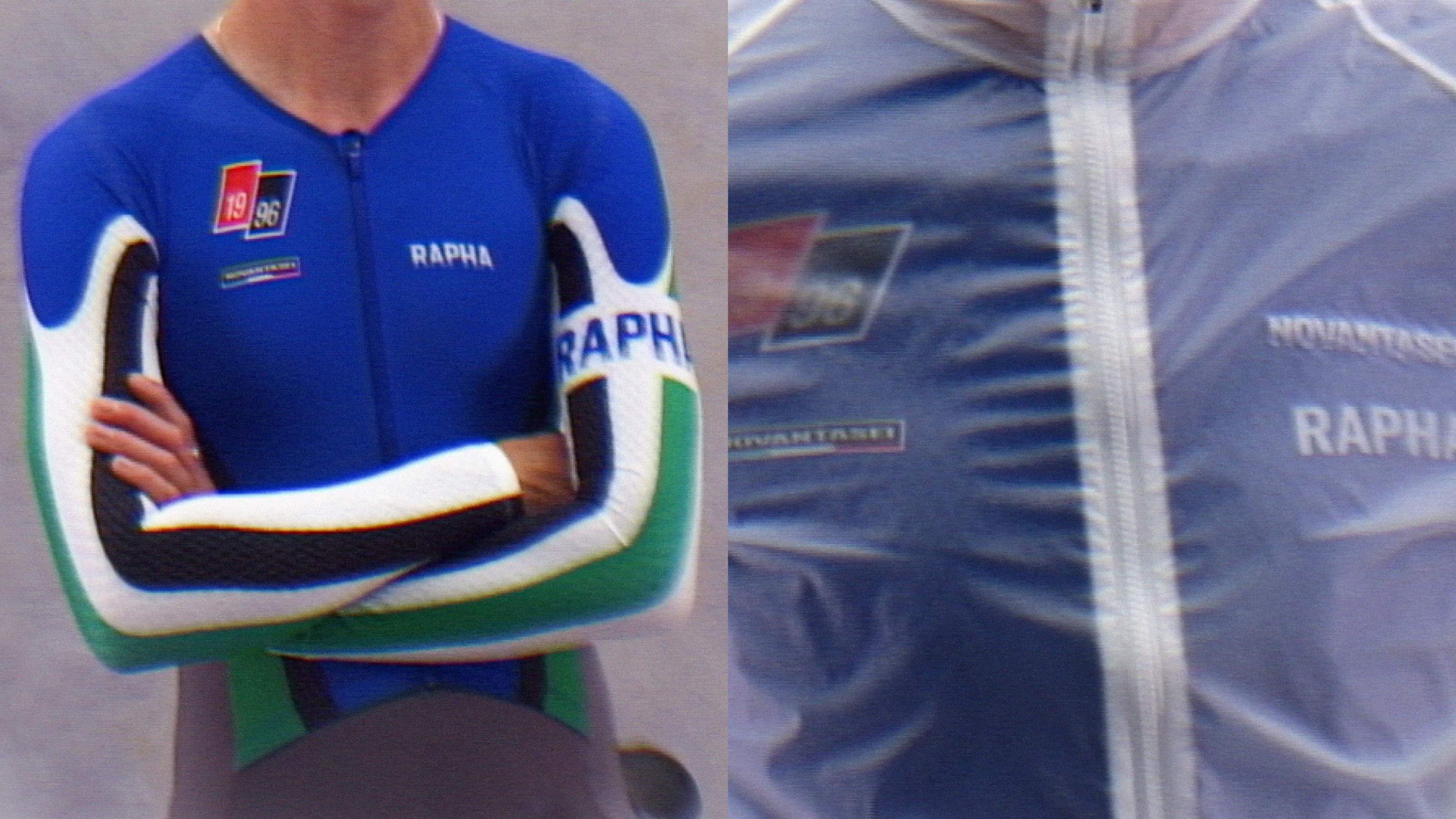
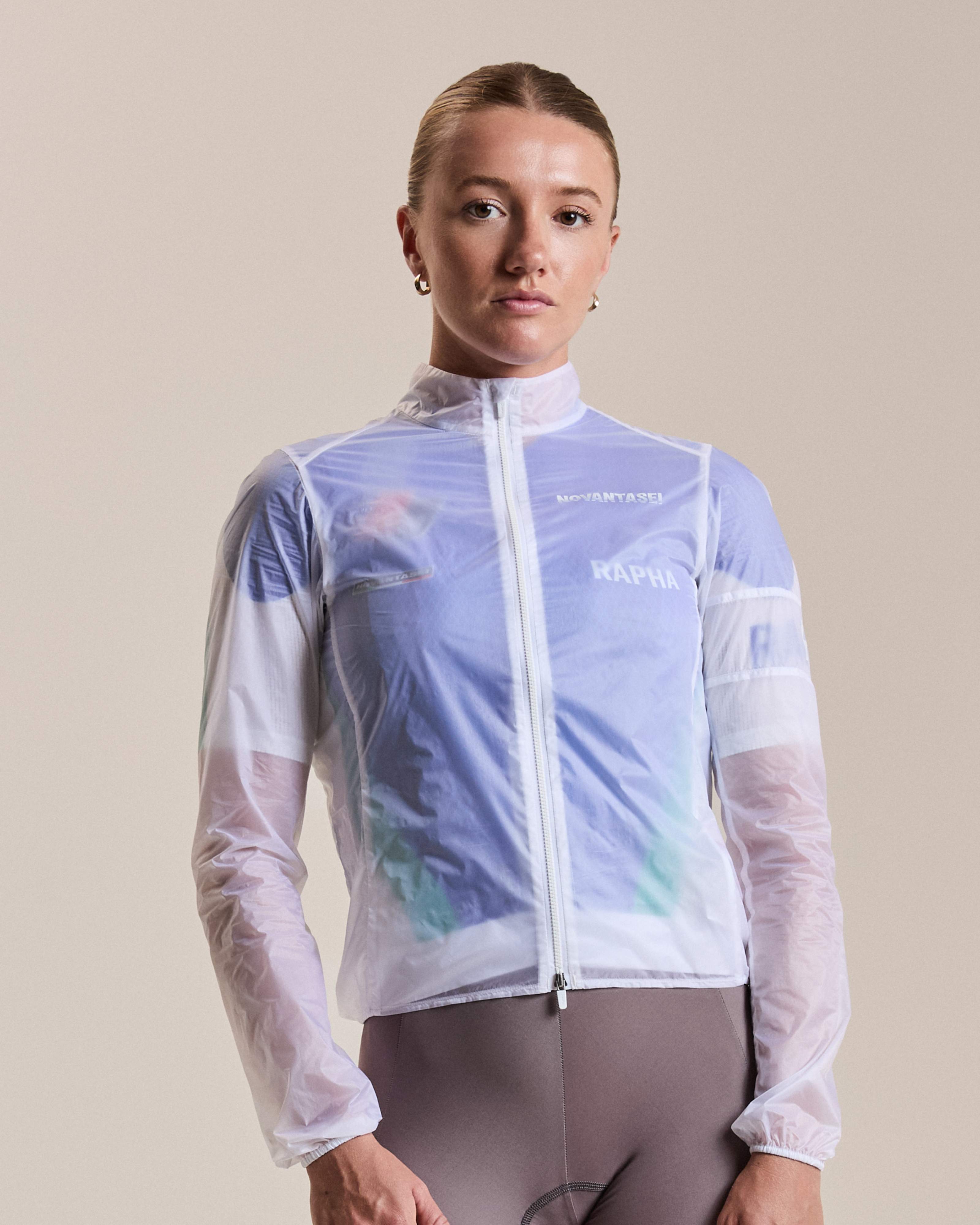
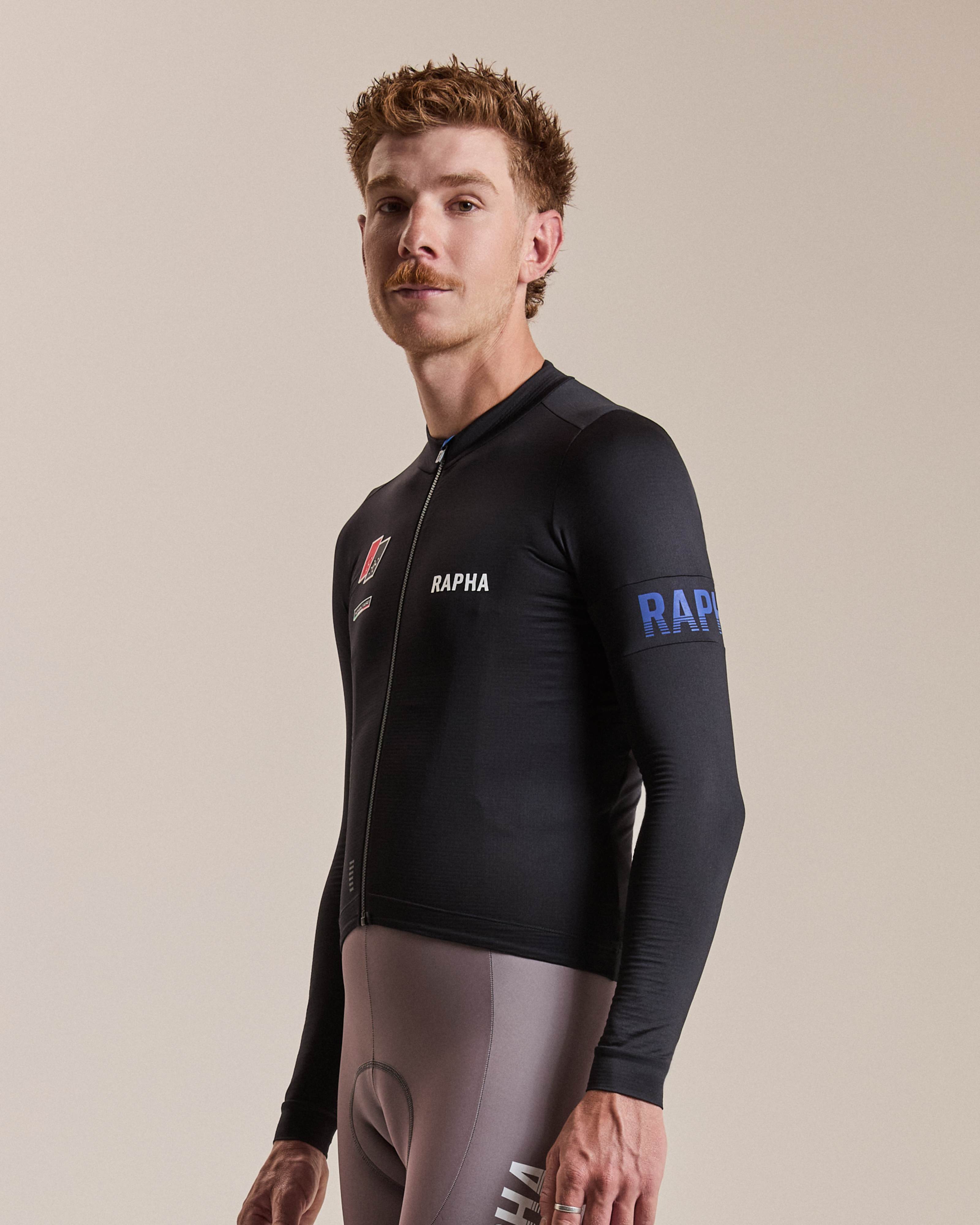
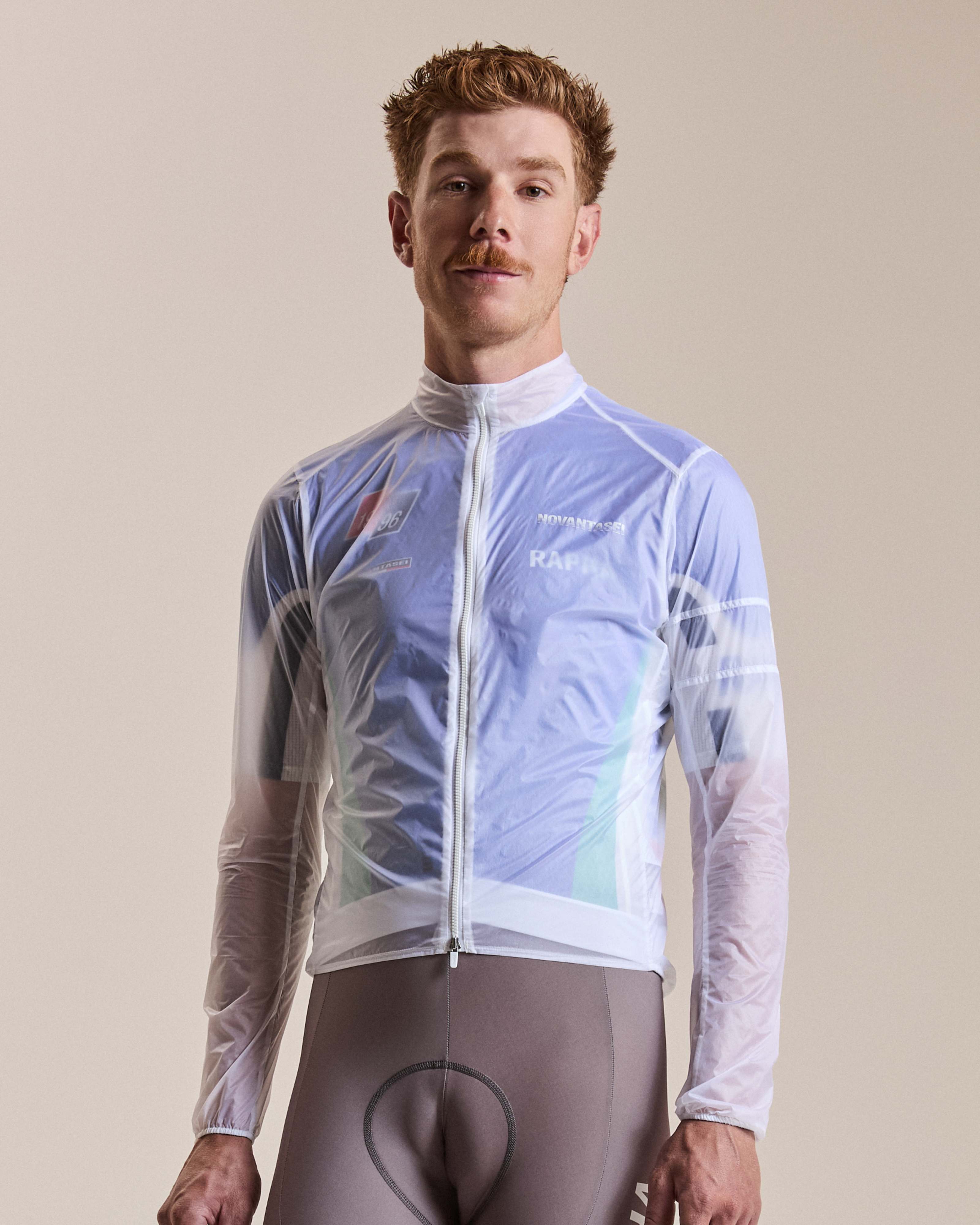
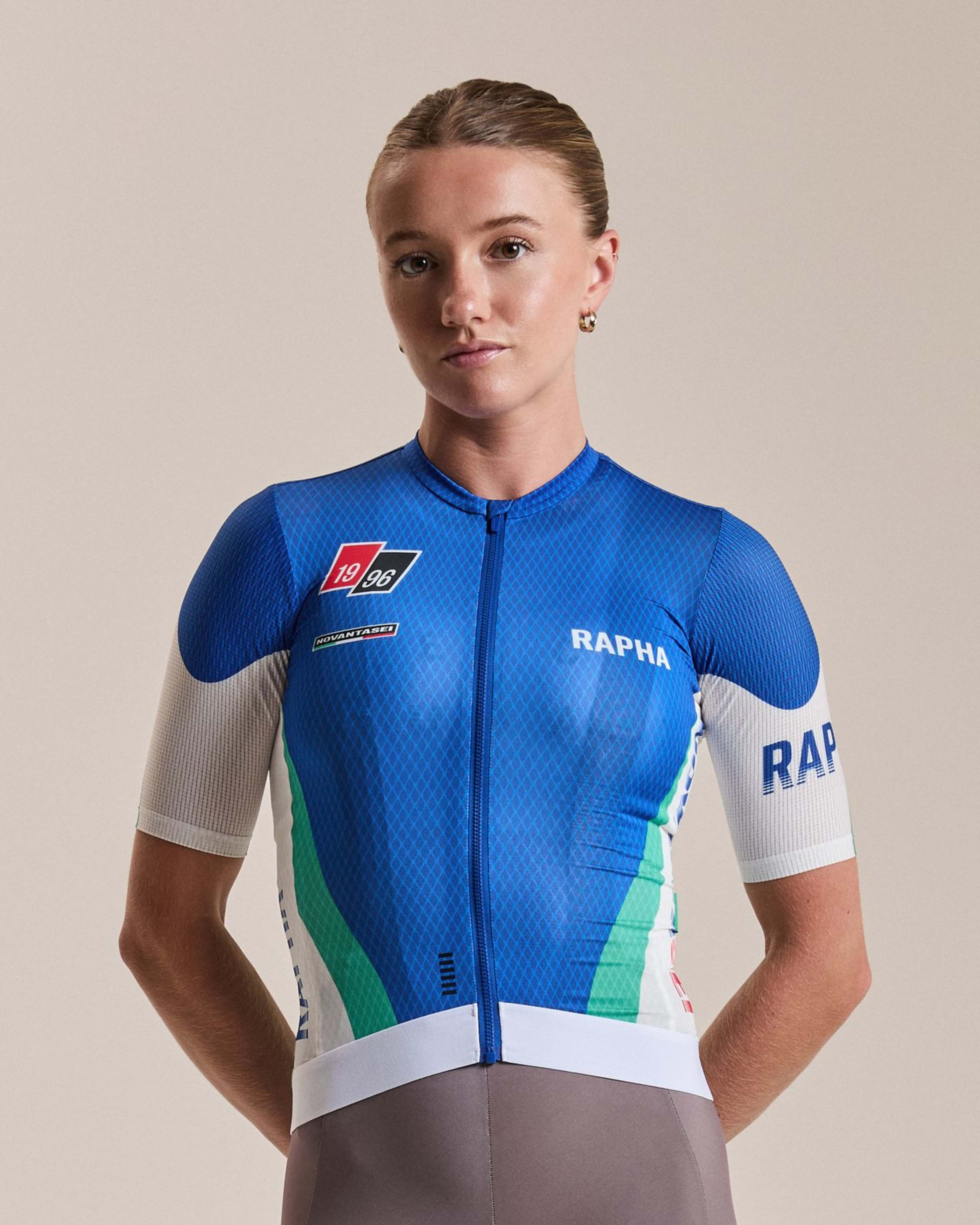
The peloton was a far more vivid place in the mid-1990s, and not merely because of the headstrong personalities within it. This was not an era of understatement or half-measures. Character was found in the equipment as much as in those using it: clashing kit designs, saturated frame liveries, and, on rainy days, a garment used for decades that disappeared seemingly overnight. The translucent jacket. We know why it disappeared - the advent of modern performance fabrics that prevented the age old boil-in-a-bag sensation, better membrane technology and more of a focus on aerodynamics. To best see the difference between then and now, look no further than Stage 5 of the 1996 Tour de France into Besançon. A downpour in today’s ranks produces a sea of uniformity: black, charcoal, navy, or hi-vis waterproofs obliterating team identity. Yes, the riders are faster, more comfortable and better protected, but unless you possess an obsessive familiarity with a rider’s pedal stroke or shoulder posture, it’s hard to tell your UAE’s from your FDJ’s. In 1996, the response to rain was the clear cape. Even through torrential downpours, the bunch stayed in full bloom, albeit viewed through something akin to a steamy greenhouse. Thermally, those early jackets behaved similarly, cooking those within them. But, aesthetically, they kept the colour of the race alive on the gloomiest days. Our new translucent wind jacket is an homage to those mid-90s races, without the need to sacrifice performance for translucence. Built using the ultra-lightweight fabric of our Pro Team Wind Jacket II, it delivers vital wind protection and packability while allowing your team kit to show through, the ideal protective outer shell for cool mornings, sinuous descents and changing weather.
You may also like
- RCC EARLY ACCESS
- RCC EARLY ACCESS
- RCC EARLY ACCESS
- RCC EARLY ACCESS
- RCC EARLY ACCESS
- RCC EARLY ACCESS
READ MORE STORIES
See what's new this season to get yourself out there.
PRO TEAM GUIDE
The complete system built to carry you to the limit. Sharpened at the highest levels of the sport to make sure you find your edge.
RAPHA BREVET: FOR THE AUDACIOUS
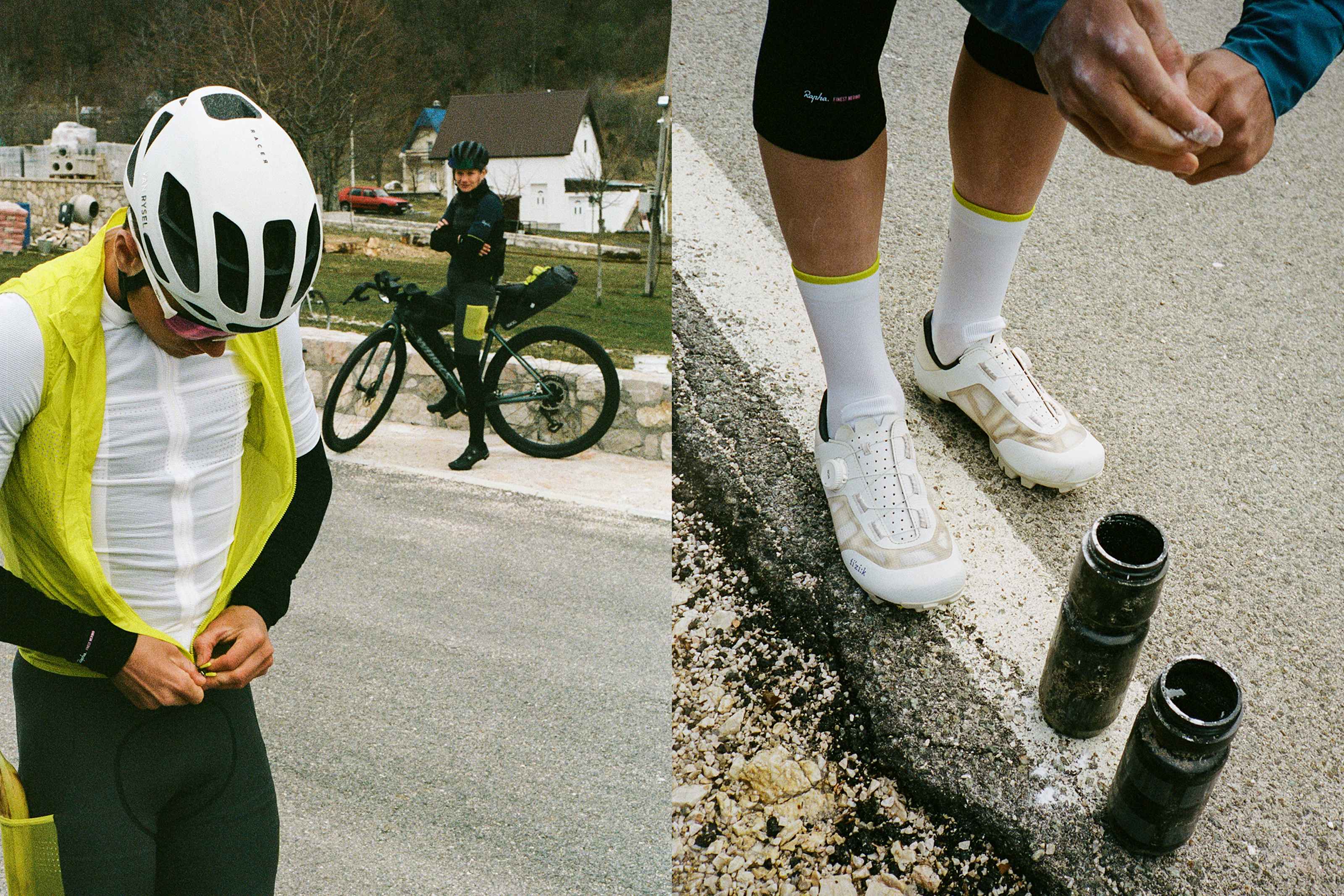
A new iteration of our iconic collection engineered for true endurance athletes.
RCC + Yinka Ilori
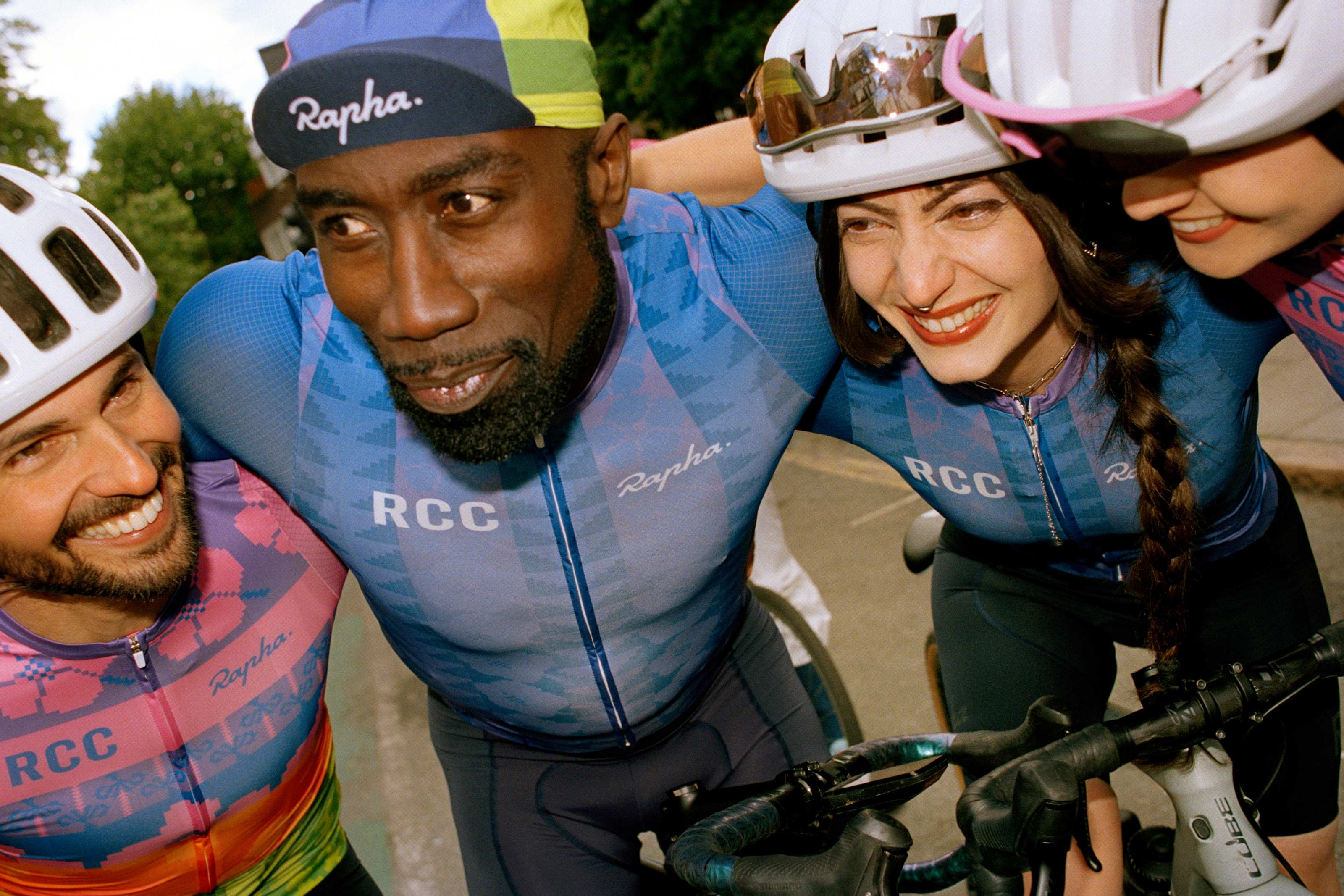
From architecture to sculpture, furniture to interior, artist Yinka Ilori’s unrivalled ability to nurture the positive through design has earned him the well-suited title of “Architect of Joy”.

OUR MATERIALS
Better materials mean a smaller footprint and more sustainable cycling apparel.