The Rapha Guide To Mountain Biking
If you grew up from the 1980s onwards, chances are you spent the most formative years of your cycling life cutting about on a mountain bike. Your bike was an escape vehicle. It was a ticket out of the neighbourhood and into the local woods, or nearby trails, just far enough from home to taste something approaching independence. There might even have been a DIY jump or two.
The discipline traces its roots back to road riders testing the limits of their machines. Chunkier tyres for cyclocross soon found their way onto remote moors and mountain passes with groups like the Rough Stuff Fellowship in the 1950s. Later, a member of the Chemeketan Cycling Club in Bend, Oregon built the first machine to be dubbed a ‘mountain bicycle’.

Things accelerated in the late 1970s when a group of legendary frame builders began experimenting with tube shapes, wheel sizes and handlebar profiles on the slopes of Mount Tamalpais in Marin County, California.
We grow up, and cycling becomes much more than that initial means of escape. Yet mountain biking remains the sport at its most playful, instinctual, full of momentum and a high capacity for the best kind of bad decisions. You see those exact traits in the grainy footage of those early Californian trailblazers.
Off-road riding teaches you things you cannot get from tarmac, and you tend to learn things faster on the trails. It can be an unforgiving place, but one with rich rewards. You will find the limits of traction, the ability to truly trust your bike and the transcendent feeling of choosing the right line.
It is loose, but make no mistake: there is a sharp, uncompromising edge here, too. Performance matters, and the kit you choose can make or break a ride. Downhill and enduro demand tough, abrasion-resistant engineering to survive inevitable collisions with your chosen playground. Cross-country demands lightweight, breathable apparel designed for the slow, intense burn of a long climb.
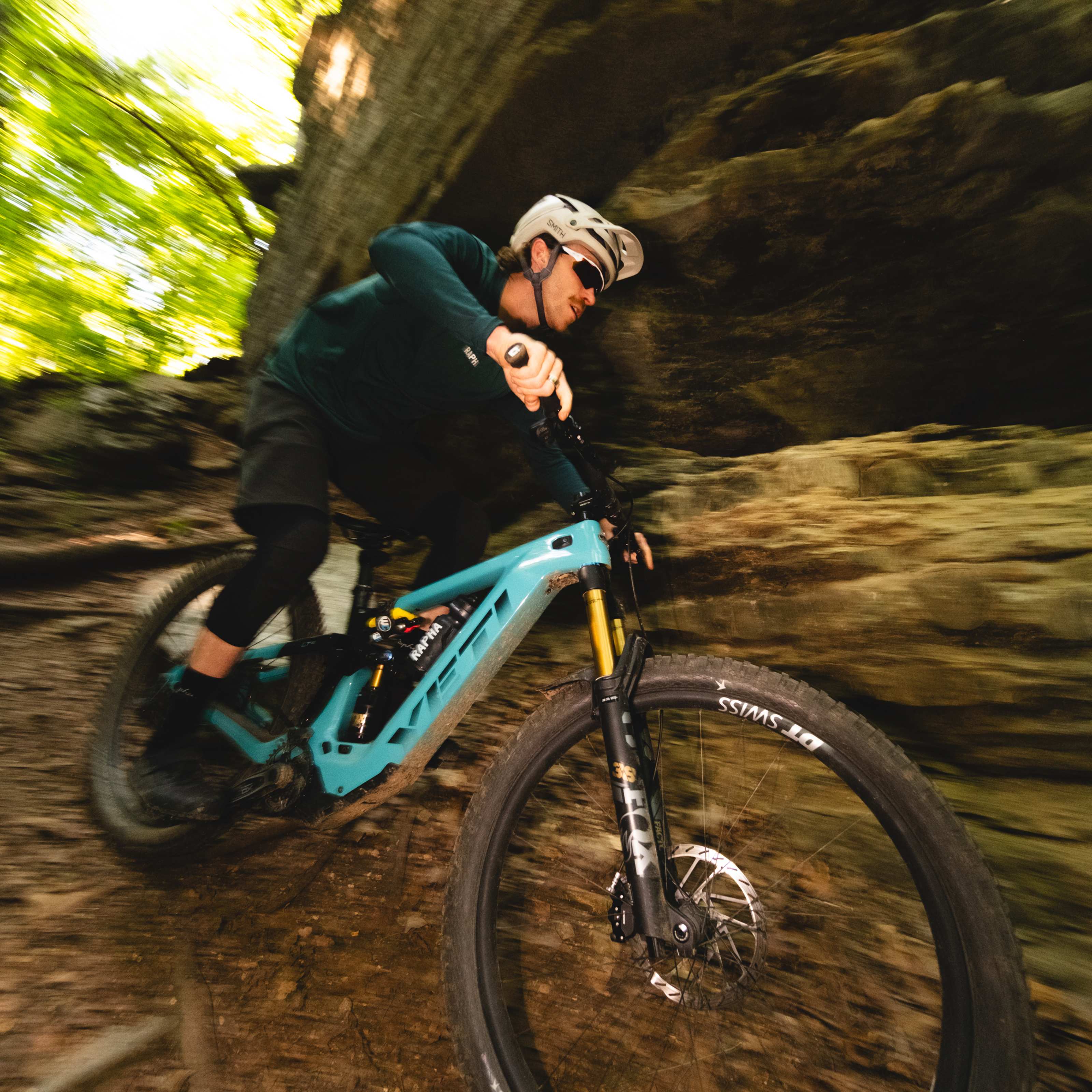
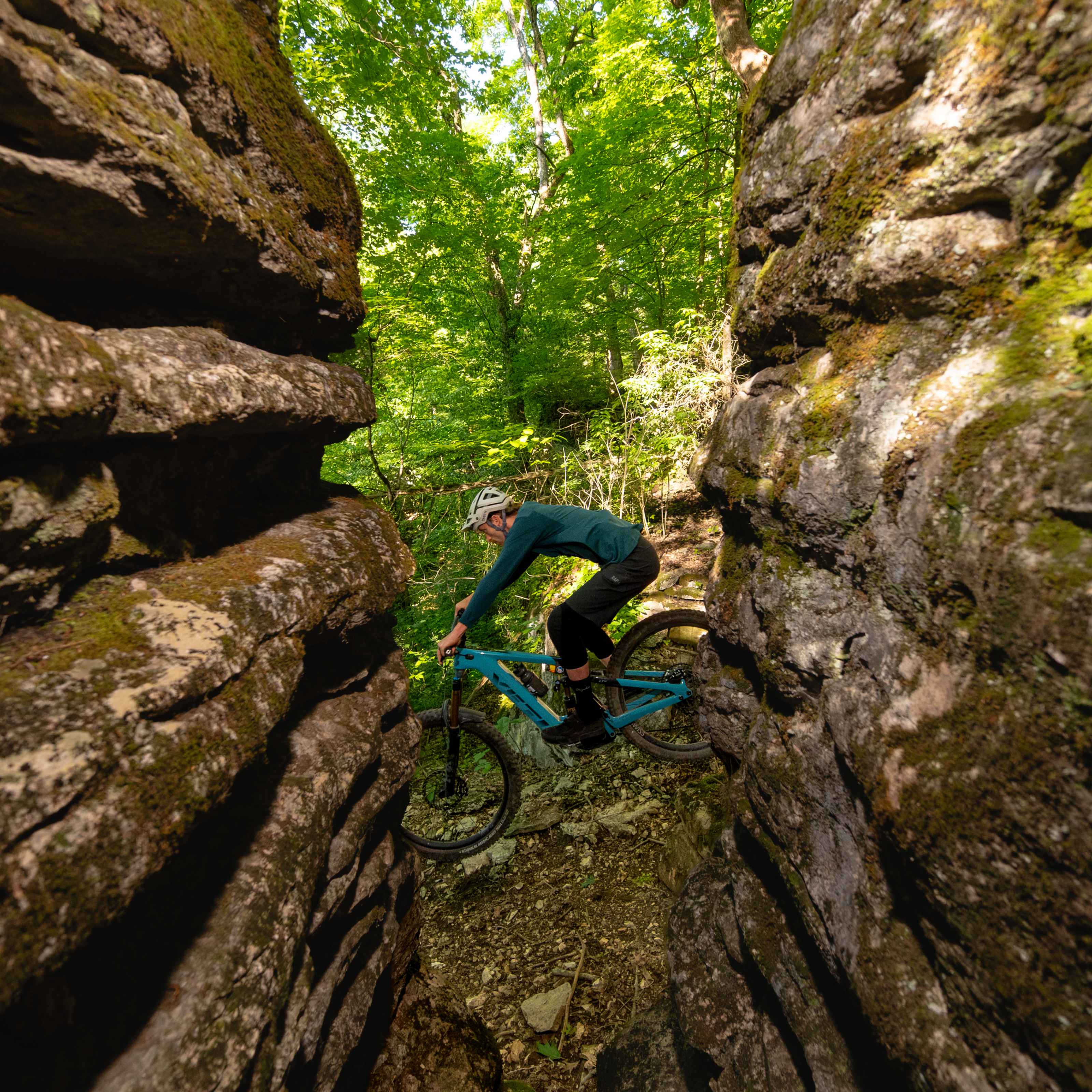
Understanding the Disciplines
As mountain biking has developed, the sport has developed distinctly different sub-genres, borne out in the different categories you’ll find people competing in at the elite level. You can break them down into three categories:
Cross-Country (XC):
An off-road endurance discipline where riders navigate technical natural terrain. It combines punchy climbs, high-speed descents and rugged singletrack that tests both physical aerobic capacity and bike-handling skill. Kit here is most similar to the road and gravel worlds, as trails tend to be less technical.
Rider Spotlight: Kate Courtney - ‘Sending it’ is more than just MTB vernacular for commitment, bravery and perseverance. For Kate, it’s an entire outlook.
It is no surprise, then, that World Champion and Olympian Kate Courtney has placed its essence at the heart of everything she does. She Sends is the name of her team, her foundation, and her personal mantra for taking risks, pushing limits, and finding joy on the bike.
Trail Riding:
The heart of the sport. A more recreational discipline focused on all-around fun and technical flow, balancing climbing with rugged, descending singletrack. Comfort and coverage is key here, with riders opting for looser kit that retains technical characteristics.

Enduro & Downhill:
Release the brakes and let gravity take over. Steep descents that mix high-speed sections with complex, demanding sections where picking the right line is crucial. This is where riders hit the highest speeds and get the most amount of air. Enduro combines untimed climbs with highly technical timed descents, while downhill focuses purely on high-speed descent over extreme terrain. Bikes have the most suspension travel, helmets become full-face and your kit needs to be ready for some rough treatment. Brushing bushes, snagging on branches and crashing are all part and parcel of this world - so apparel and accessories need to be as durable as they are capable.
Rider Spotlight: Ella Connolly - The 2025 Enduro World Cup overall champion, Ella is a Scottish powerhouse who paved her own path from XC to the very top of the world’s Enduro stages.
Three Golden Rules on Technique
Weight Distribution & Momentum
When things take a turn for the rough stuff, it’s a case of the looser the better. Your arms and legs act as additional suspension on top of what your bike can offer, so don’t lock them out. Keep them bent and ready to absorb any extra impact. Don’t grip the bars too tight, it might seem counter intuitive but you need to let the bike go where it wants to a certain extent, it requires the ability to move freely beneath you. On most technical descents, you need to shift your body weight further back, hence why many mountain bikes come with a dropper seat post. For sharp uphill efforts, get your weight over the front wheel, to maintain momentum.
Managing Traction
You can break this down into two categories - how to find traction, and what to do when you run low. Loose scree, wet roots and off-camber corners mean you’re constantly negotiating different levels of grip. Make sure you’ve optimised your tyre pressure, try and keep your head up, looking down the trail rather than reacting suddenly to what is under your wheels. Prioritise smooth braking before a corner, rather than grabbing the levers mid-turn. On slow, technical uphills, select an easier gear that allows you to spin, and keep spinning. It’s amazing what most modern mountain bikes can crawl up if you keep the legs turning.
Progressive, Not Aggressive
Even for elite professionals like Kate Courtney, confidence off-road comes incrementally. Sessioning individual features, practising line choices on familiar trails and learning how your bike handles when traction breaks are all part of the process. Try out different tyres and pressures on trails close to home to dial your setup. Practice makes perfect.
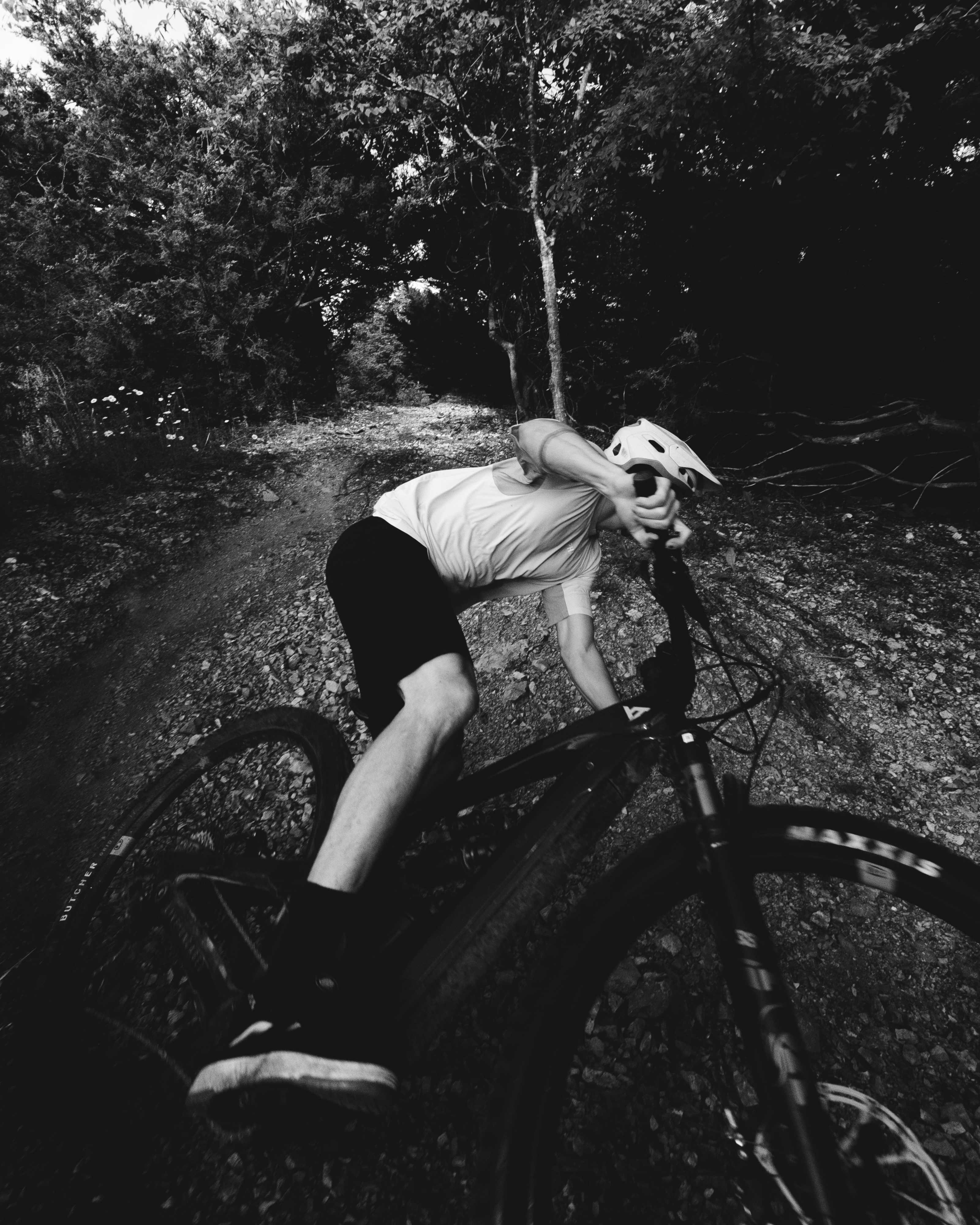

Trail Access & Terrain: Open Trails vs. Bike Parks
The trails we ride broadly divide into two distinct environments, each demanding a different mindset and approach.
Riding open trails is an unscripted, self-supported effort through natural terrain. You’ll have to earn your downhills by getting yourself uphill first. It’ll involve navigating unpredictable surfaces and two-way trail traffic. Crucially, these paths rarely look after themselves. Most open trails exist thanks to local volunteers and trail associations, riders who spend their weekends clearing fallen branches, cutting back overgrown vegetation and maintaining drainage.
Bike parks offer a different, more curated experience. They are engineered playgrounds built for repetition and flow. Sometimes even serviced by chairlifts or shuttles to cut out ascents entirely, these purpose-built, one-way networks feature sculpted berms, tabletops and wooden features. You’ll find plenty of great views, but it’s less about wilderness exploration and more about honing your technique run after run.
Mountain Bike Kit Essentials

T-Shirts & Technical Tops:
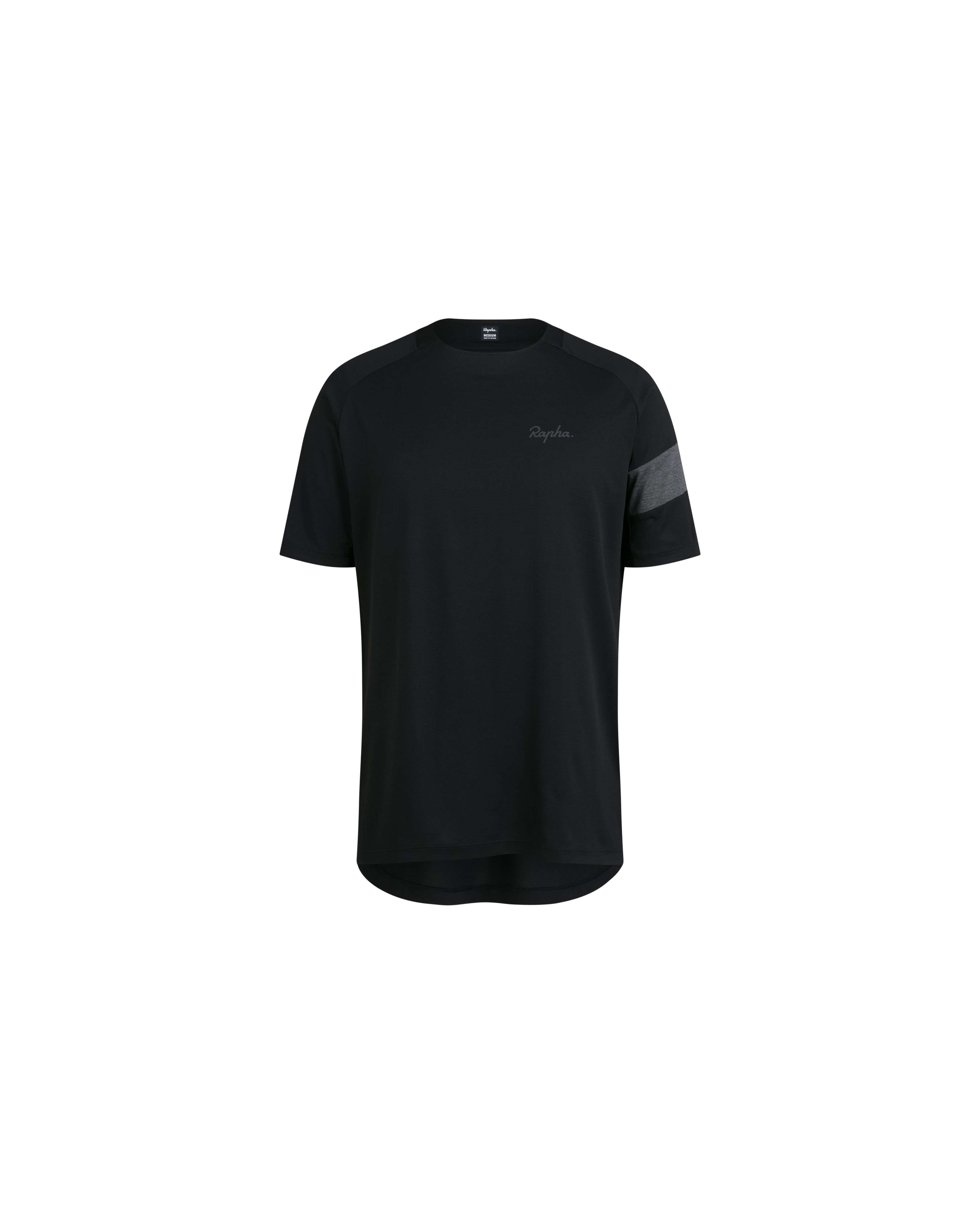
Built using lightweight, breathable fabrics, pieces like the Trail Technical T-Shirt pull sweat away from your skin on high-effort climbs, with a longer silhouette so you stay covered when leaning forward over the bars. For cooler mornings or fast, exposed descents, the Trail Finale Windblock Jersey adds a targeted windproof front panel to protect your torso.

Shorts, Pants & Liners:
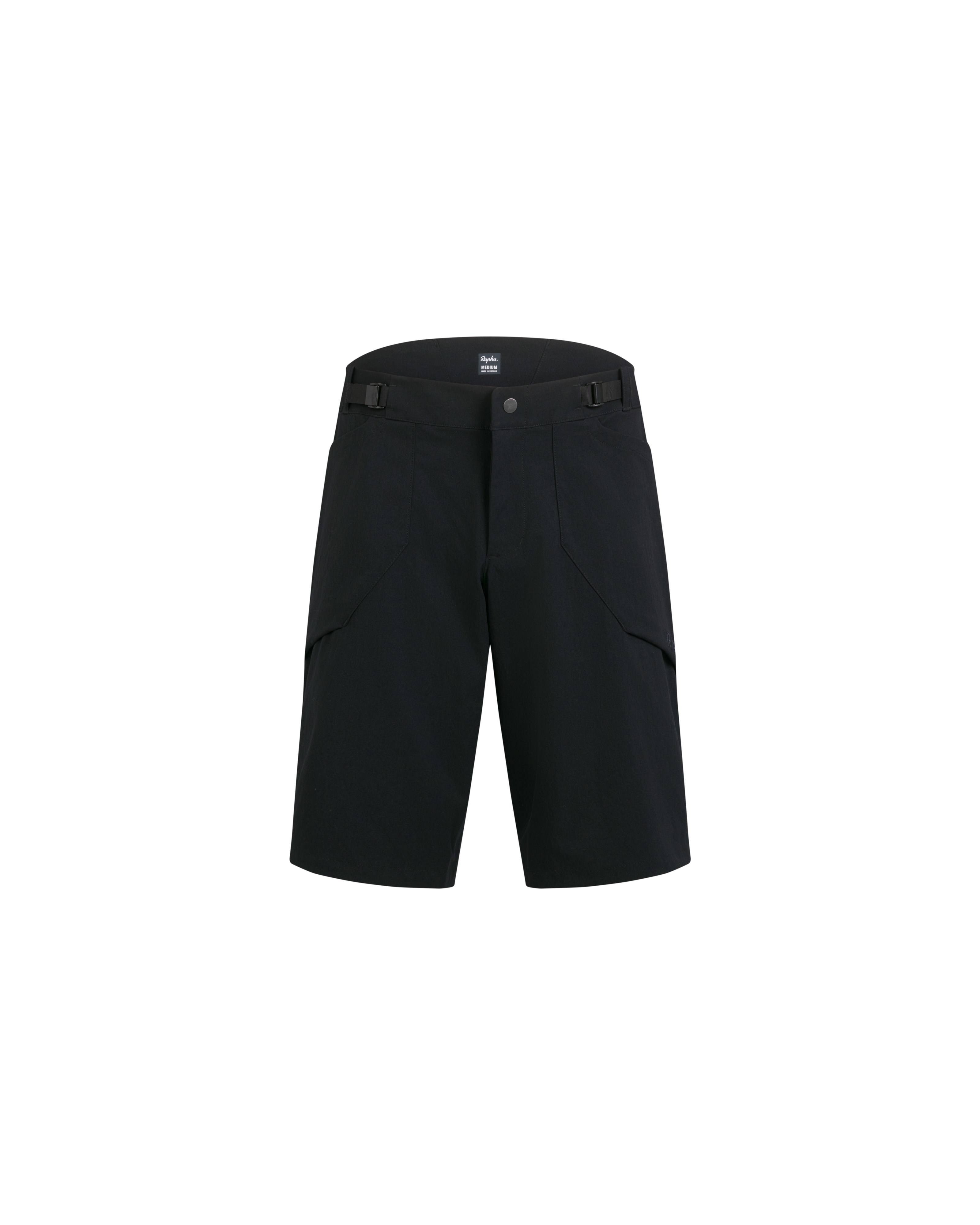
The ideal mix of durability and freedom of movement. Trail Shorts feature an ergonomic, articulated fit designed to sit comfortably over knee pads without bunching. For wet conditions, the Trail GORE-TEX Pants provide an impenetrable, breathable barrier against mud and rain without trapping internal sweat. Both pair seamlessly with a padded trail liner short for all-day saddle comfort.

Weather Protection:
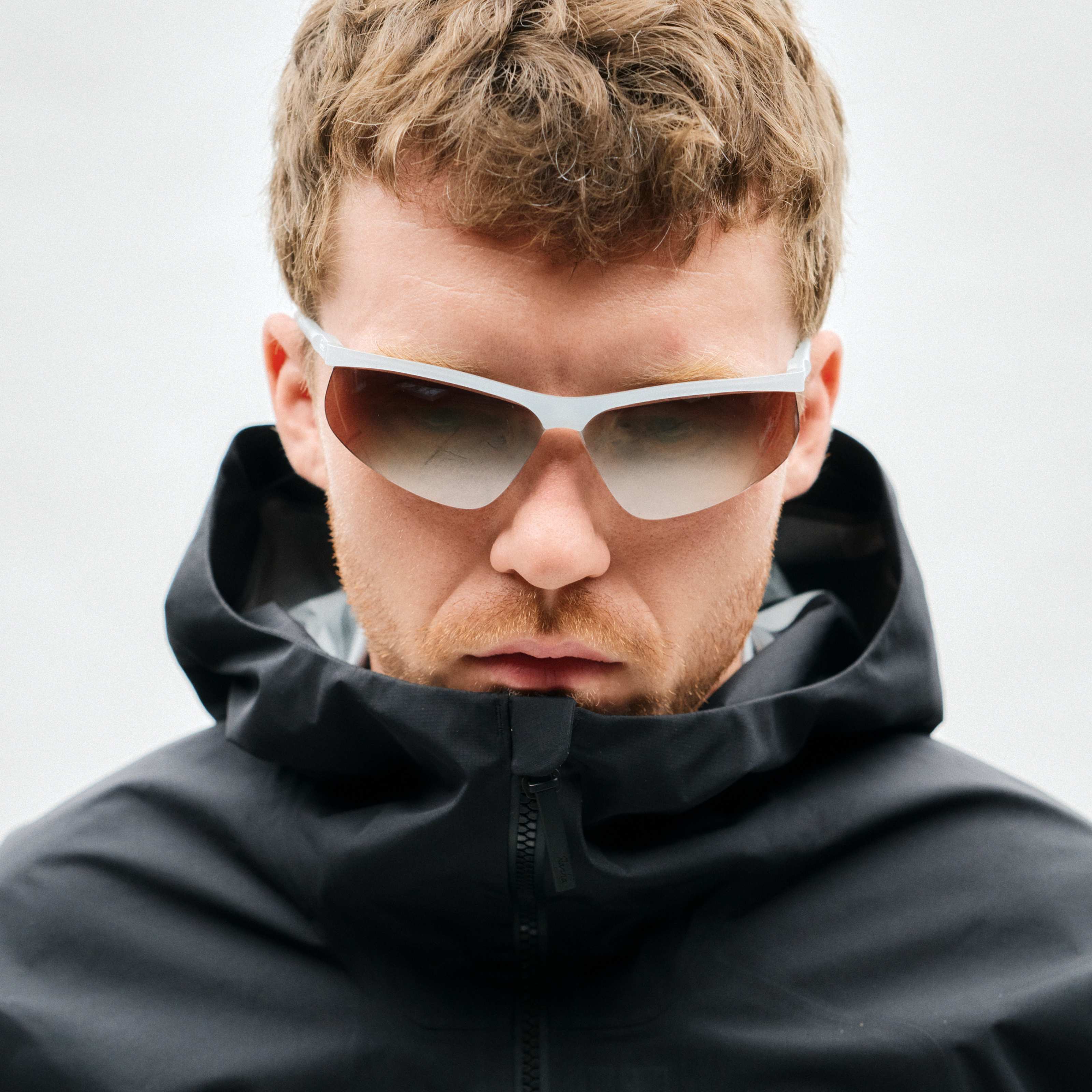
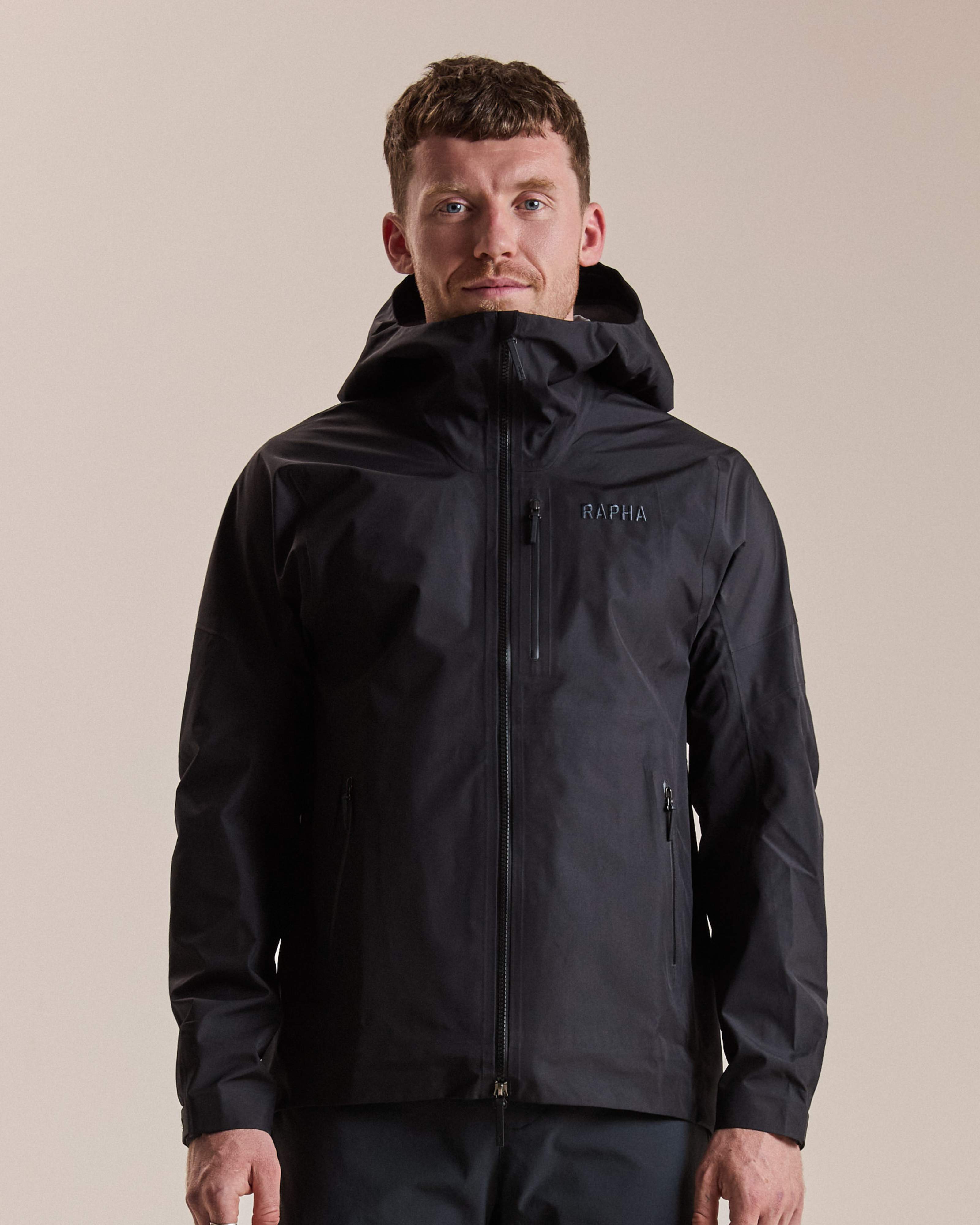
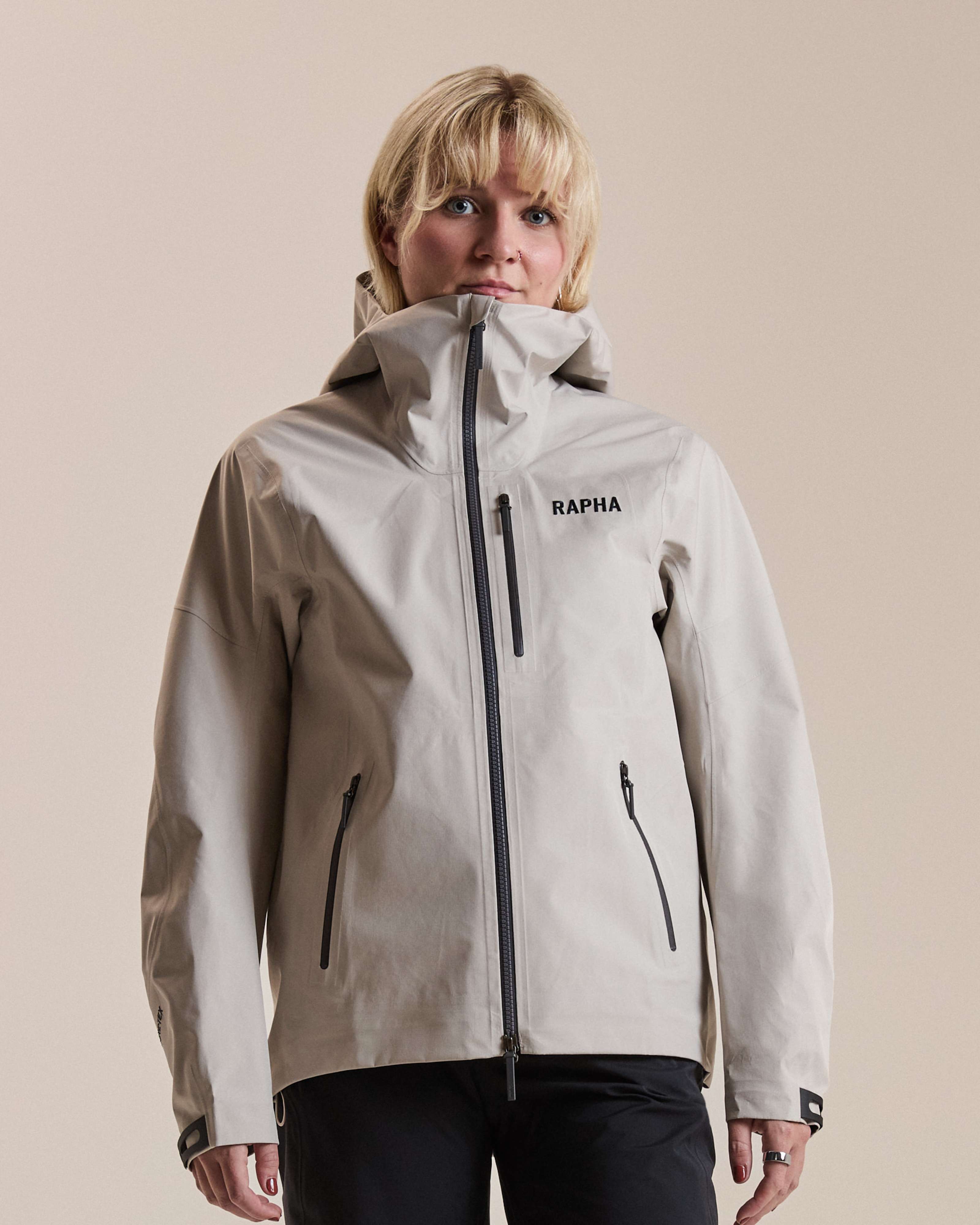
When conditions turn, the Trail GORE-TEX Jacket offers a lightweight, fully waterproof storm barrier built with a breathable membrane to dump heat on steep ascents.

Contact Points & Protection:
The Trail Finale Gloves provides a minimalist palm for direct handlebar feel and precise brake modulation, while guarding your hands against trail vibration, brush and bad lacerations in the event of a crash. Underneath your shorts, Trail Knee Pads offer essential impact defence without restricting your pedalling.

READ MORE STORIES
See what's new this season to get yourself out there.
PRO TEAM GUIDE
The complete system built to carry you to the limit. Sharpened at the highest levels of the sport to make sure you find your edge.
RAPHA BREVET: FOR THE AUDACIOUS
A new iteration of our iconic collection engineered for true endurance athletes.
RCC + Yinka Ilori
From architecture to sculpture, furniture to interior, artist Yinka Ilori’s unrivalled ability to nurture the positive through design has earned him the well-suited title of “Architect of Joy”.
OUR MATERIALS
Better materials mean a smaller footprint and more sustainable cycling apparel.